

Lupus, or Systemic lupus erythematosus (SLE), is an incurable auto-immune disease, probably genetic in origin and mainly suffered by women. It can attack any part of the body, including vital organs, and that’s the danger.
There are many signs and symptoms, and no two Lupus sufferers are the same, often making diagnosis a hard and lengthy process. Some GPs are unfamiliar with Lupus, and the range of symptoms can mean patients are passed from hospital department to department before their disease is picked up. In the meantime, a number of major organs can be damaged in an irreversible way.
The main ‘classic’ symptoms of Lupus are joint and muscle pain, and an extreme tiredness that won’t go away no matter how much you rest. Rashes, mouth ulcers, anaemia, hair loss, headaches and feverishness are also common symptoms as Lupus advances. Importantly, there is no ‘one-size-fits-all’ Lupus diagnosis, and there isn’t one simple test for the disease, so symptoms vary considerably from patient to patient.
My Lupus symptoms
According to the charity Lupus UK, it takes an average of 6.4 years for patients to receive a Lupus diagnosis. I am considered lucky that I was living with symptoms for about 18 months before being diagnosed. This has to change. I knew there was something going wrong in my body and it can be incredibly frustrating when you feel you’re not listened to by your GP or doctors. The truth is, in my diagnosis, there were a number of opportunities for my Lupus to be picked up before it spread to my organs. It is much, much easier to treat Lupus if picked up early to prevent irreversible damage to the body.
In February 2018, completely out of the blue and without suffering any symptoms for over ten years, I had an asthma attack. I was taken to hospital and, after treatment, was referred to the chest clinic at Guy’s hospital. I had regular appointments to keep my asthma under review but no one could answer the burning question – why did this happen?
Over the following months I took really good care of myself, making sure to eat healthily, exercise well and rest lots. But I kept finding myself getting more and more tired and suffering agonising headaches. I put it down to working hard and winter blues. Meanwhile I kept going to the asthma clinic and having regular blood tests which found that although my asthma was under control, my white blood cell count was always low. I was told I was probably getting over a virus, or maybe had low iron because I’m vegan.
By September 2018 the extreme tiredness was too much to handle and I knew something must be wrong. I also found a small lump in my armpit, and kept getting mouth ulcers, so I went to my GP. He couldn’t feel the lump, said I was probably (still) getting over a virus and asked if I thought I had health anxiety. I felt like an idiot.
In November 2018 I was seen in the asthma clinic again and discovered my white blood cell count was dropping further so I was referred to haematology. I had a month of weekly blood tests and told I have fluctuating white blood cells, to be careful of infection and sent on my way.
In January 2019, as Henry and I left for our trip, I started to get pain in my fingers. Usually first thing in the morning and last thing at night, the knuckles across my fingers would swell and go red. I put it down to the cold weather, especially in Nepal, but in the Indonesian heat they continued to worsen.

By the end of March the pain had spread to my wrists and feet. I also found a lump in the breast tissue under my armpit, which is what prompted me to visit the hospital in Chile. It never crossed my mind that the joint pain was connected to the lump. Still extremely tired, I put it down to the travelling we were doing.
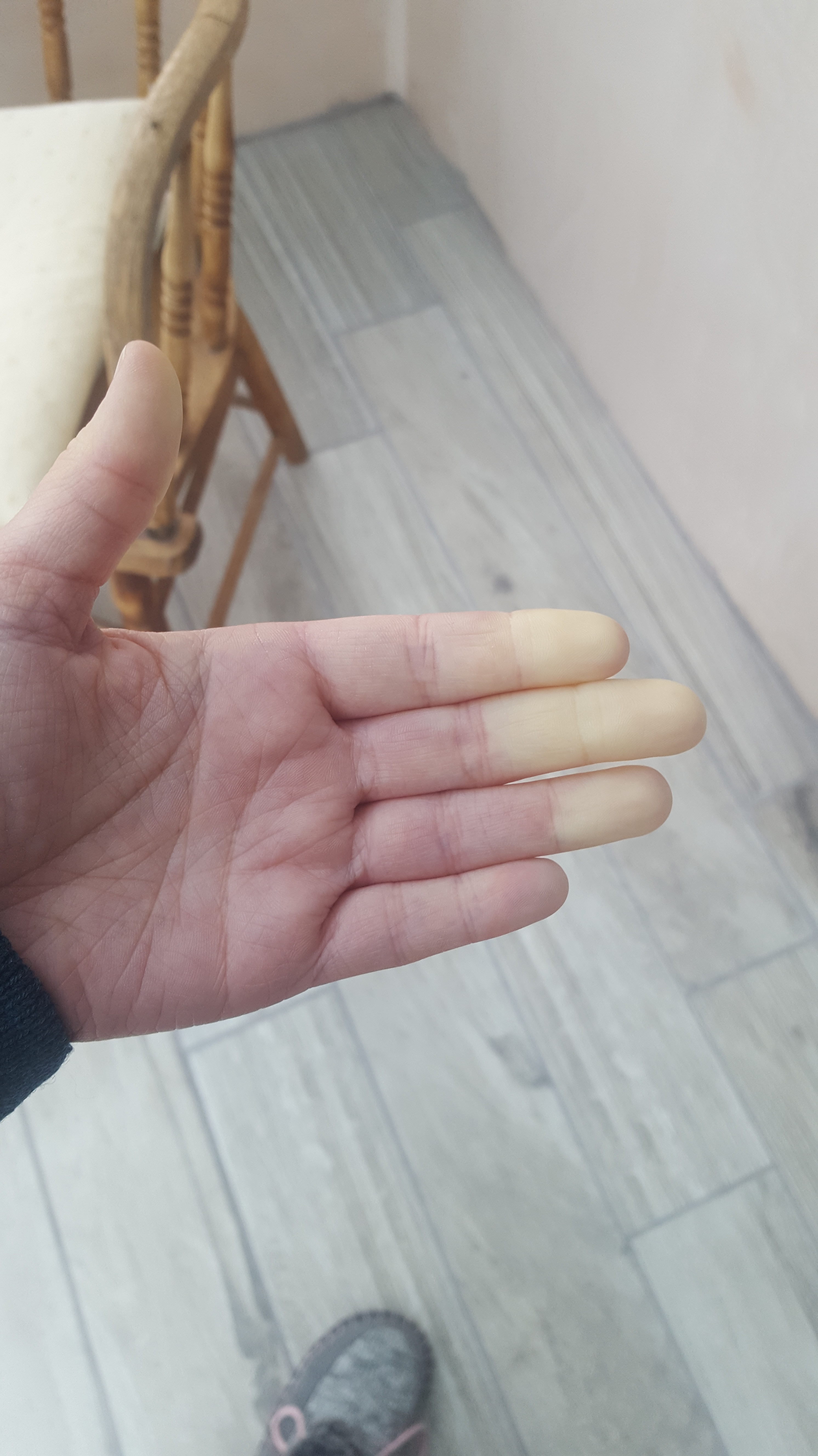
By the end of April, the joint pain had spread to every joint in my body, as well as my muscles. Walking and mobility was difficult. I also started getting Raynaud’s phenonmenon, where your fingers turn white, blue and then bright red. This would happen three times a day.
The results of my ultrasound scans showed I had extremely inflammed lymphnodes, another main symptom of Lupus, and I started fainting and being sick most days. Swollen, inflammed and eventually unable to move even a finger, I was rushed to hospital.
How is Lupus diagnosed?
There is no one test that can be used to diagnose Lupus and there are many manifestations of the multi-symptom disease. Instead, diagnosis is made by investigating
• Skin
• Blood
• Joints
• Heart
• Kidneys
• Lungs
• Swollen glands
• Nervous system
• Weight changes
There are, however, blood tests that can be done to detect the presence of an auto-immune disease, which can be strongly suggestive of Lupus. These are tests for immunologic disorder such as anti-DNA antibodies, anti-SM antibodies and antiphospholid antibodies. Testing for anti-nuclear antibody (ANA Test) is also important in diagnosing Lupus. Although it’s not conclusive, most people with Lupus are ANA positive. Low C3 & C4 complement levels and raised inflammation markers are also suggestive that Lupus is present. If you experience any of the above symptoms, it’s worth asking your GP to #thinkLupus and test for some of these in your blood. It may not lead to a Lupus diagnosis but it will help to speed up a referral to the right specialists.
For more information on Lupus symptoms and diagnosis check out:
Lupus UK – www.lupusuk.org.uk
NHS website – https://www.nhs.uk/conditions/lupus/
 Livin' La Vida Lupus