
One of the hardest things to accept at the moment is that recovery is unbelievably slow. I’m trying to do more, but mostly my days involve sitting on the sofa or napping. I try to read for a bit or watch TV, but concentrating is hard. Ten minutes of stretching or going for a short walk leaves me exhausted for days. Going to the hospital clinic wipes me out for days. Having a shower seems to require the same amount of energy as a 10km run on a Sunday morning after too many cocktails and a dodgy kebab the night before.
The one thing that helps is reminding myself of the awesome things I did when I had active Lupus but didn’t know. The things that the doctors couldn’t believe I had being doing only a couple of weeks or months before being rushed to hospital. The things I love doing. To me, they are a reminder of how strong my body can be and how far its limits can be stretched. The key to success on a long-distance, multi-day trek is trusting your body. Knowing that it can take you on this incredible journey simply by putting one foot in front of another over rocky terrain, along steep ridges, and across precarious hanging bridges. In a way, this journey is the same. It’s just a different kind of mountain.
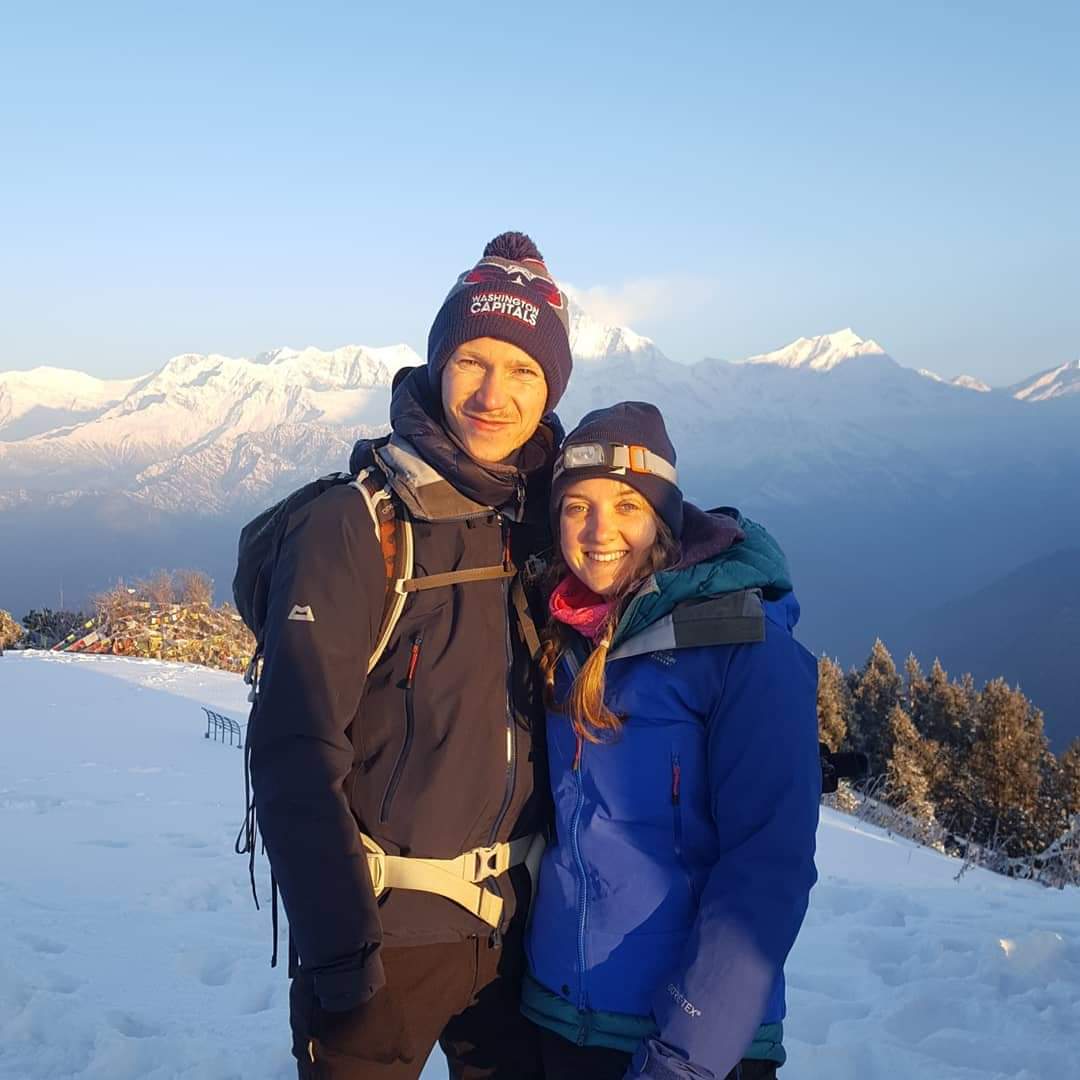
Trekked the Annapurna Circuit in the middle of winter – we hiked for 21 days at high altitude in the middle of Himalayan winter. I have honestly never felt cold like it, with temperatures reaching -20 at night. Naturally we were sleeping in wooden shacks with no heating or insulation. We would wake in the morning to our sleeping bags completely iced over! I actually got really sick on this trek with what was probably a chest infection and our group, including Henry, thought I wouldn’t be able to continue. Of course, I wasn’t going to give up that easily! Despite the weather I would definitely recommend hiking in winter in Nepal as the trails were so quiet and peaceful. The Annapurna range is truly spectacular covered in snow.
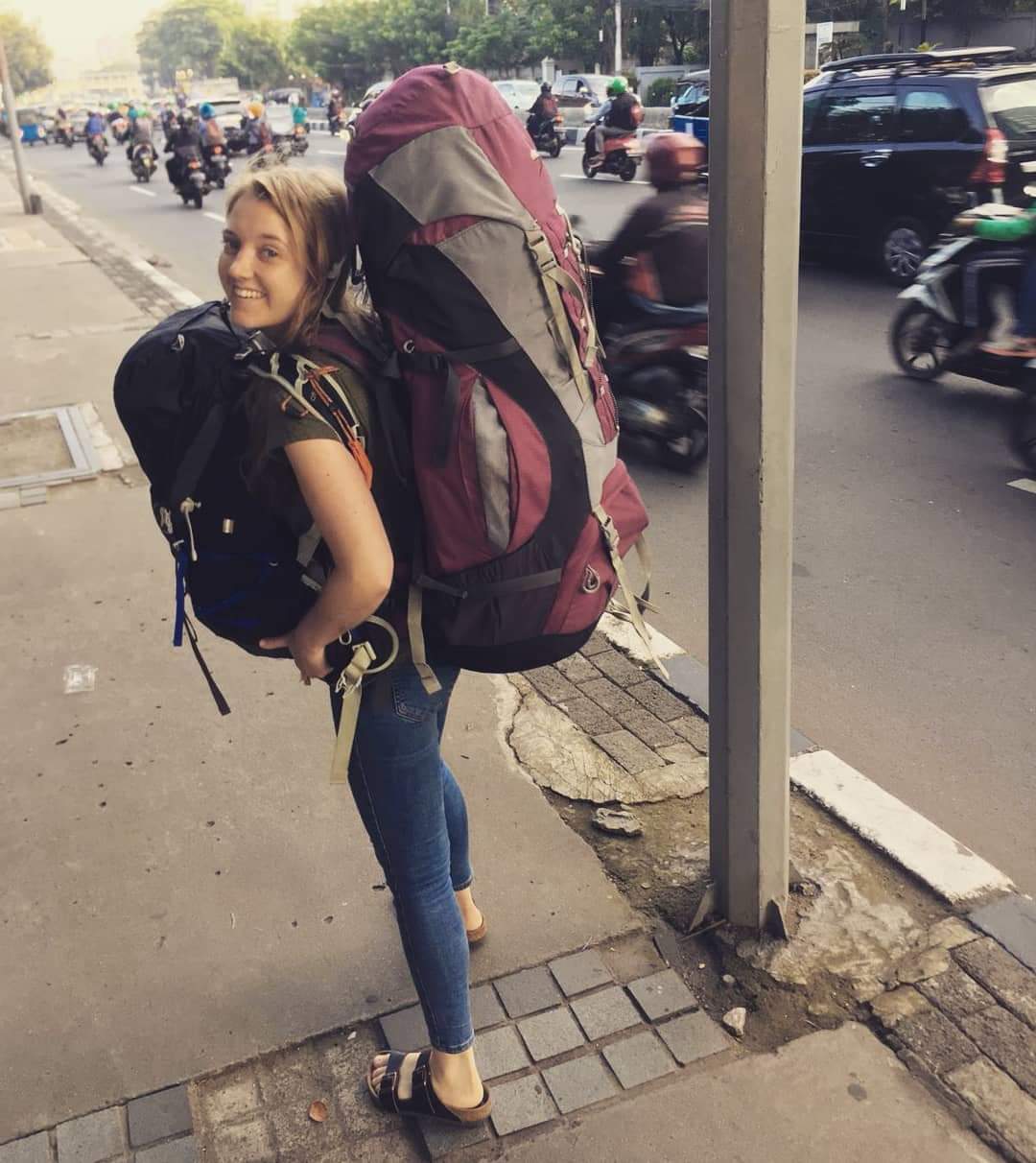
Carry half my body weight in luggage – My rucksacks were so big! Because we were travelling between ultra cold and ultra hot climates we had to carry so much kit with us. This photo was taken in Jakarta, walking the 10km from our hostel to the train station to catch a train to Yogyakarta – in 38 degree heat! The weight was super heavy but we got used to it after a while. The trick is to avoid sudden stopping and starting and this leads to imbalance and a potential topple-over!
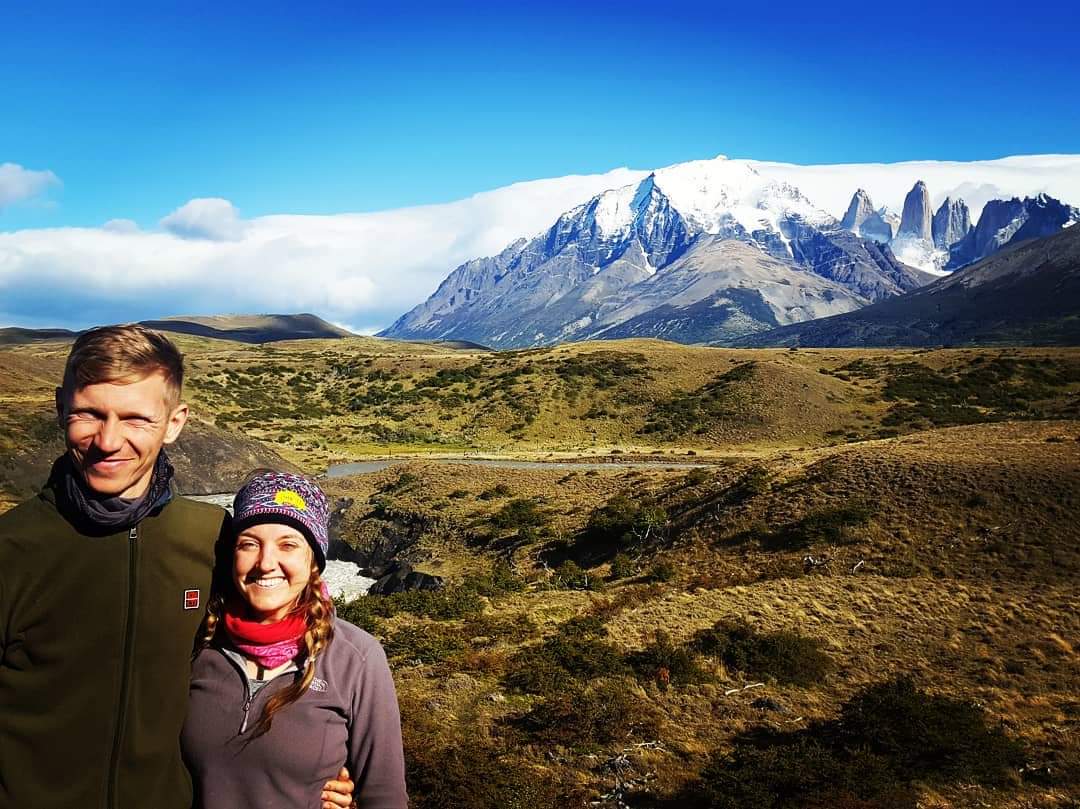
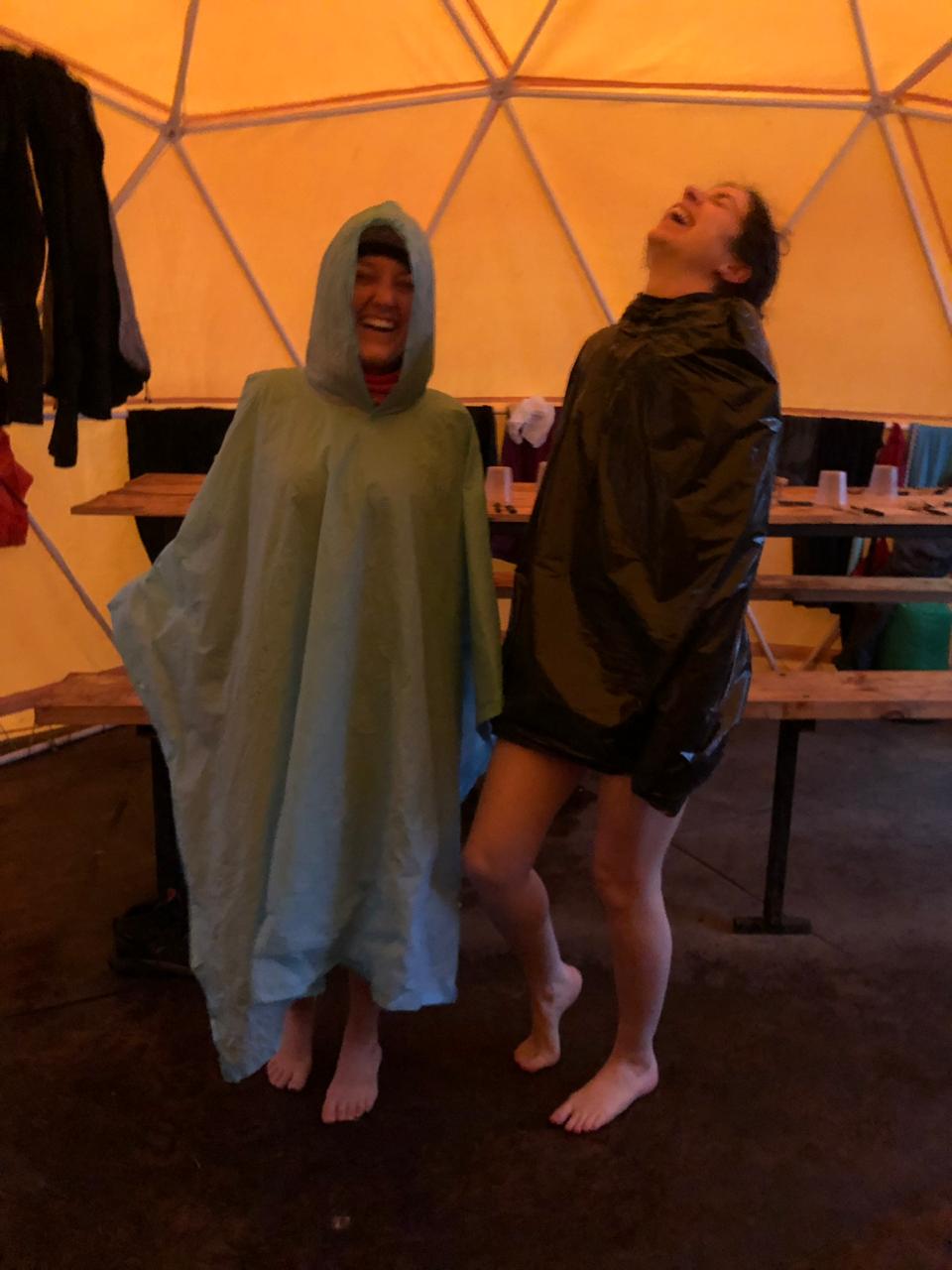
Hiked the ‘W trek’ in Patagonia’s extreme weather – even though the W trek isn’t one of the longest or difficult trails we’ve done, the weather conditions made it a real challenge, especially if you have Lupus! We had four days of torrential rain, gale force winds and bitter-cold nights. My joint pain was starting to get really bad at this point and I was really struggling with lower back pain, my knees and Raynaud’s. I basically didn’t have full use of my hands for the whole trek. We were camping throughout, which I love, but took its toll on my joints as it was hard to get properly dry or comfortable at night. We had lots of tent-flooding! Hikers eventually had to bail on the last day as the national trails were closed for safety reasons. It was on this trek though that we had one of our best evenings of our entire trip. After a full day’s hiking in unrelenting torrential rain (we were truly soaked to the bone) we arrived at our camp. Most of our group decided to upgrade to the hostel but as the owners were hiking the price (no pun intended) up to USD$90+ for a bunkbed for a night, a small group of us decided to stick to our free tents. More torrential rain, a burst river and a collapsed bridge cut us off from everyone for the rest of the night so we were stranded with enough food and wine for 20 people. We had a brilliant night! Needless to say most of the tents were flooded but we salvaged a couple and squeezed three or four of us into each one.
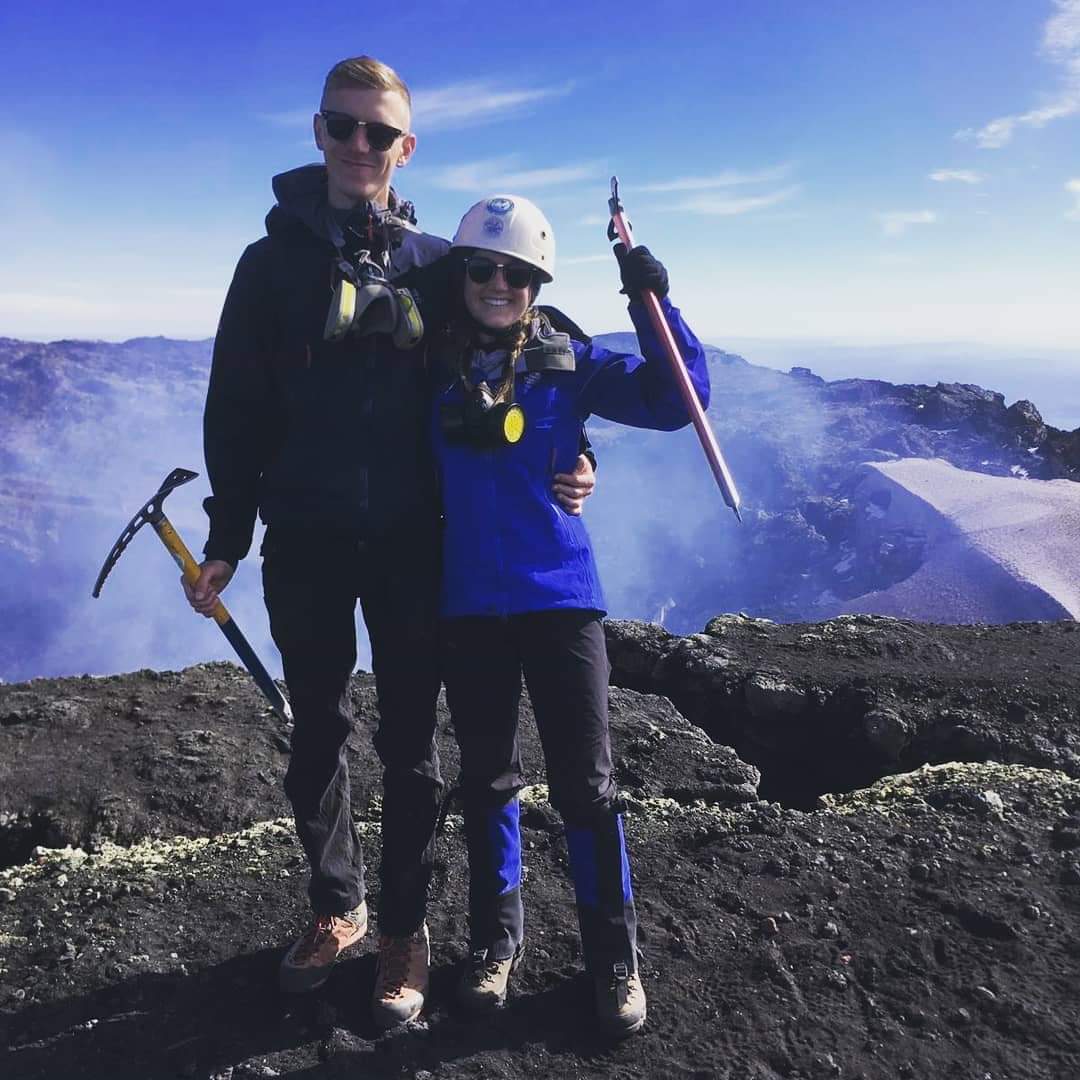
Climbed an active volcano – Three days before being repatriated from Chile, I climbed one of South America’s most active volcanoes. Upon reflection there were signs that there was something really wrong. I struggled up in excruciating back and joint pain, I couldn’t muster up my usual energy to push onwards, and I actually fainted at one point. Reaching the top felt like a massive achievement, and getting back down again even more so. I’m amazed that I managed it, and I’m so proud of myself for doing it. I didn’t understand at the time why it was such a struggle for me, and the whole time at the hospital all I could think about was the fact that only days before I’d climbed that volcano. Little did we know that by that point my Lupus was already advanced and systemic, meaning it was affecting any part of my body including my organs.
A huge thank you to the incredible friends I made along the way that supported me when times were tough. I wouldn’t have been able to achieve these things without you, and doing so has meant more to me than you will ever know xxx
 Livin' La Vida Lupus