
Although I am the one that’s been diagnosed with Lupus, that lives with the symptoms on a daily basis and has to take ownership of recovery, there is no doubt that my diagnosis has had a huge impact on those around me. I often wonder what they think of Lupus; how have they dealt with it? How has it changed their daily lives? They’ve been chucked into the deep end and now they’re also forced to live with it daily. It’s been a steep learning curve for them too – what is Lupus and how do you support your loved one when they receive a diagnosis? Well, let’s hear it from them…
Lupus & my Fiancé
When Thea was diagnosed with Lupus I had no idea what the disease was and how it would affect our lives. It has only been with hindsight that I have been able to pick up on the indicators that something wasn’t right for the preceding year. When your partner tells you that they are tired or have aches and pains you often put it down to other factors, work, the weather or the weekend’s activities.
Diagnosis of a life-altering condition can often be just has hard to process for the loved ones as well as the person affected. Often with a disease such as Lupus, which isn’t particularly common, the first thing you do is google what it is. This can lead you to a range of possible results, leaving you thinking ‘it’s not that bad’ or, on the other end of the spectrum, blind panic! While trying to support someone the most difficult bit is to find that balance between the two reactions, you don’t want to be too panicked as you are trying to support someone through their recovery, but also saying “you’ll be fine” is often the last thing that person wants to hear. That balance is sometimes hard to process when in your own mind you are running through all the possible permutations on you and your loved one’s life after the diagnosis.
Lupus is hard to take as a couple, especially when you are active people who love being outdoors, and often the thought of doing those things that you love without your partner can suck the enjoyment out of those activities. Lifelong diseases such as Lupus will affect your day to day life but the best thing you can remember is to have patience. You won’t be able to rush around and be out every evening like you used to be, but instead it allows you to appreciate down time spent together sitting on the sofa for an evening or spending longer in bed on a Sunday morning.
Going through events such as these with a loved one makes you appreciate the relationship that you have, the love and support you give each other, and will give you an immense feeling of pride as your watch your partner work hard on their road to recovery.

Lupus & my mum
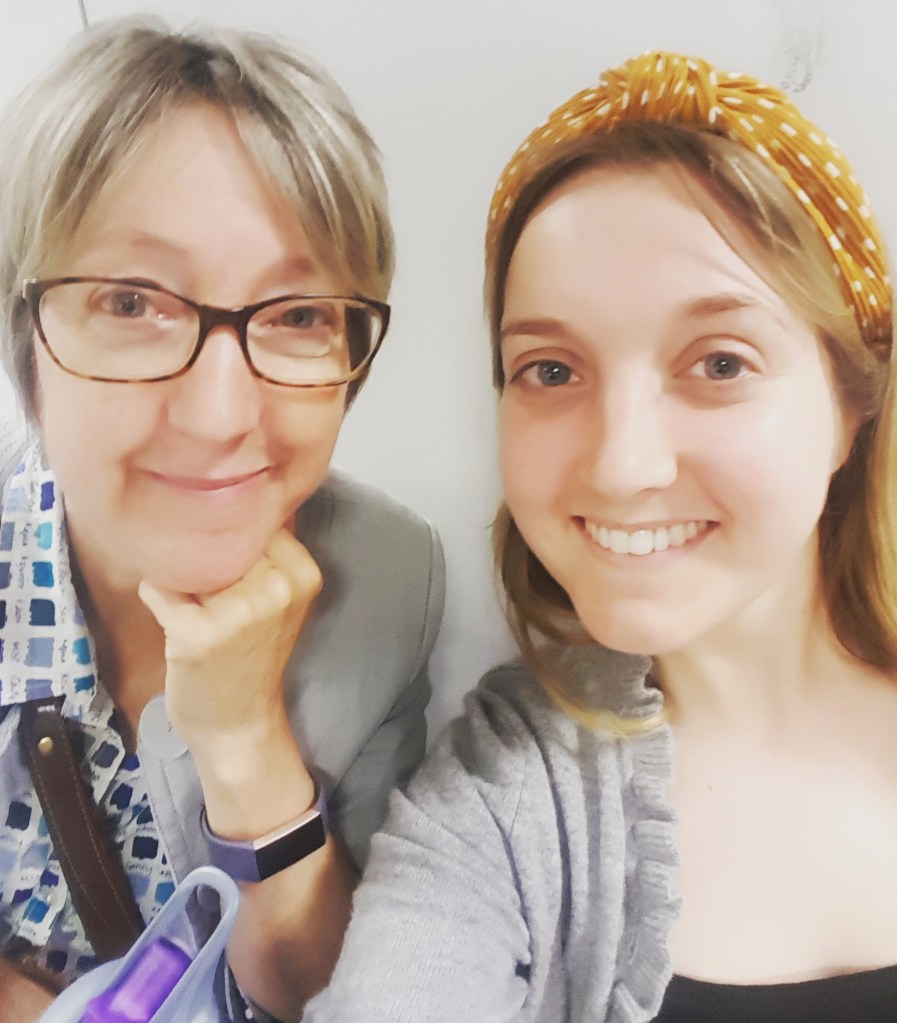
Seeing your child in pain, even when that child is 27, and being unable to take that pain away is almost unbearable. One of the hardest parts of Thea’s Lupus journey for me as her mother, has been seeing her in pain. After several weeks of being in pain and still no follow up in sight, my insistence that a GP come out to her finally resulted in Thea being admitted to hospital, being administered morphine and a Lupus diagnosis made within 24 hours.
Having got a diagnosis, next came understanding what it meant and the short and long term impact on Thea’s future life plans. Personally I chose not to do lots of online searching, preferring to ask questions and seek information from the medical experts who were treating Thea and knew the specifics of her Lupus case.
Thea was in hospital for 8 days, during which time my focus was on keeping her company, keeping her spirits up and providing her with lots of healthy snacks. Once out of hospital the focus changed to supporting recovery and managing expectations of speed of recovery and return to normality, as well as accompanying Thea to weekly outpatient clinics.
Three months on, and as Thea continues to make a slow recovery, my hindsight advice for someone with or supporting a loved one with suspected/newly diagnosed Lupus:
- Be persistent. Pursue answers to reach explanation and diagnosis.
- Be positive. A Lupus diagnosis does not have to change life plans.
- Be patient. Do not expect a quick recovery, however young and previously fit the patient.
- Focus on the important things – eat well and rest. Ditch the things that do not matter.
- Celebrate milestones on the road to recovery.
- Accept some days will just be worse than others, for no apparent reason.
Lupus & my sister
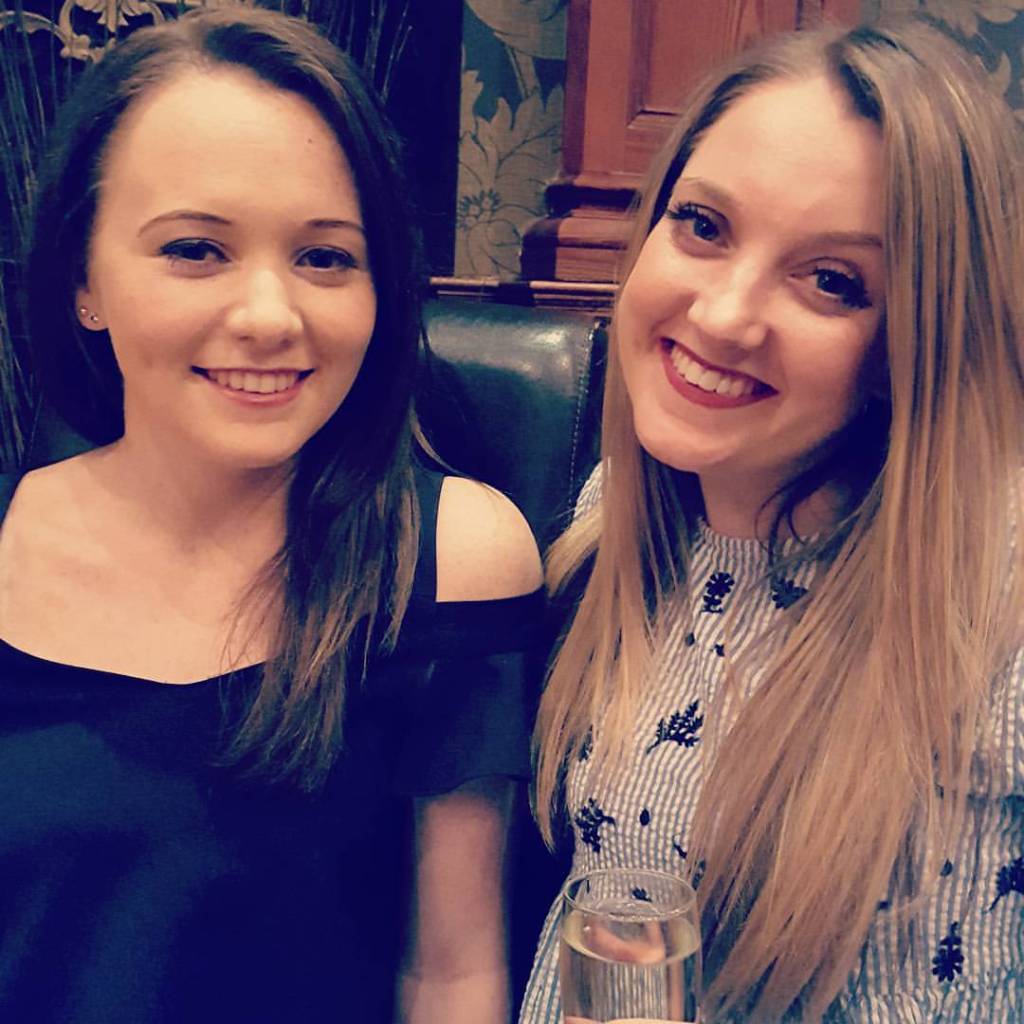
When my sister got diagnosed with Lupus, I didn’t really know what that meant. I knew it was an autoimmune disease, and know a couple of people who have it, but didn’t know the ins and outs of what living with Lupus was like or what she would need from me.
I visited Thea in hospital when she was first diagnosed and documented her starting her Lupus medication on video (she will be able to name the exact medication; she was taking so much at the time that I couldn’t tell you the name). She was in hospital and looking extremely thin, although her face was puffy from the steroids she had been taking. She was on a ward with all older women, and although the bathroom was next door to her bed, I remember her having to be wheeled there in a wheelchair – she couldn’t walk. She was super sleepy and could barely hold a conversation. It was difficult to know what to say/do at the time. I think her knowing I was there was enough for her at the time.
Following Thea’s discharge from hospital she was back living at our mum’s house, 20 minutes from mine, so I got to spend a lot more time with her than I would usually. My advice to anyone with a sibling with lupus is to make more of an effort to spend time with them, message them more frequently, call them when you can. I would call Thea on way home from work – it didn’t take any time away from my day but would make all the difference to hers. We would talk about the build up to her wedding, or how my day had been, or anything girly to pass time. Sometimes she wasn’t on the phone for long – you could always tell when she was tired, and it was important to make sure she knew that was okay too, and that you were just calling to check in and that was it.
Thea also came to stay with me when she got shingles. Our mum was going up to our Grandma’s house and we couldn’t risk Thea giving shingles to her. I cleared my evenings (I was spending evenings at classes in the gym to get ready for a big holiday) and got the house ready for Thea’s arrival. Netflix was ready and waiting so she could chill on the sofa whilst I was at work but following a message from Nat (Thea’s best friend) saying Thea was throwing up and fainting, I knew I had to go and work from home. I didn’t want anything happening when she was by herself. Luckily my work was super understanding and let me work from home the rest of the week. We realised that icepacks helped the pain, so every so often I was sorting those for her and making sure she was comfortable with a bucket nearby in case she needed it! One evening we even managed a quick dog walk to the park and back, a slow pace, but it made all the difference to her to get out and enjoy watching Humphrey (the dog) run after the ball. Humphrey was also on his best behaviour, trying to fool his aunty into thinking he was a good boy!
Patience is a virtue – something I have to work really hard on anyway! It’s easy to forget what your loved one is going through, and it can get frustrating when you find them being irrational. Thea’s hen do was always going to be a difficult occasion, but I was doing Thea’s hair and make-up, as well as trying to make sure things for the day were set up and things were going to run smoothly. I was under a lot of pressure, and Thea started to get upset as she thought I wasn’t going to do her hair. Obviously I was still going to do it but we were getting strapped for time. It was important to be patient and understanding with her – she only wanted to look her best and snapping back at her would only make the situation worse. You just have to remember to put yourselves in their shoes, and looking her best on this special day, when she was ill and had been conscious about her appearance for the last few months, you can understand why she was getting upset/concerned about it not being done. Reason with your loved ones, it may seem as though they’re being irrational to you but be patient and make sure they know you have their best interests at heart.
In summary, my advice to anyone who has a sibling diagnosed with lupus, is that they go easy on them. Make the extra effort to spend time with them, contact them, give them help when they need it. Try and understand what they’re going through and empathise with them. Cancel those gym classes you have in the evening and spend the time with them – it won’t hurt you in the long run and can make all the difference to their day.
Lupus & my best friend
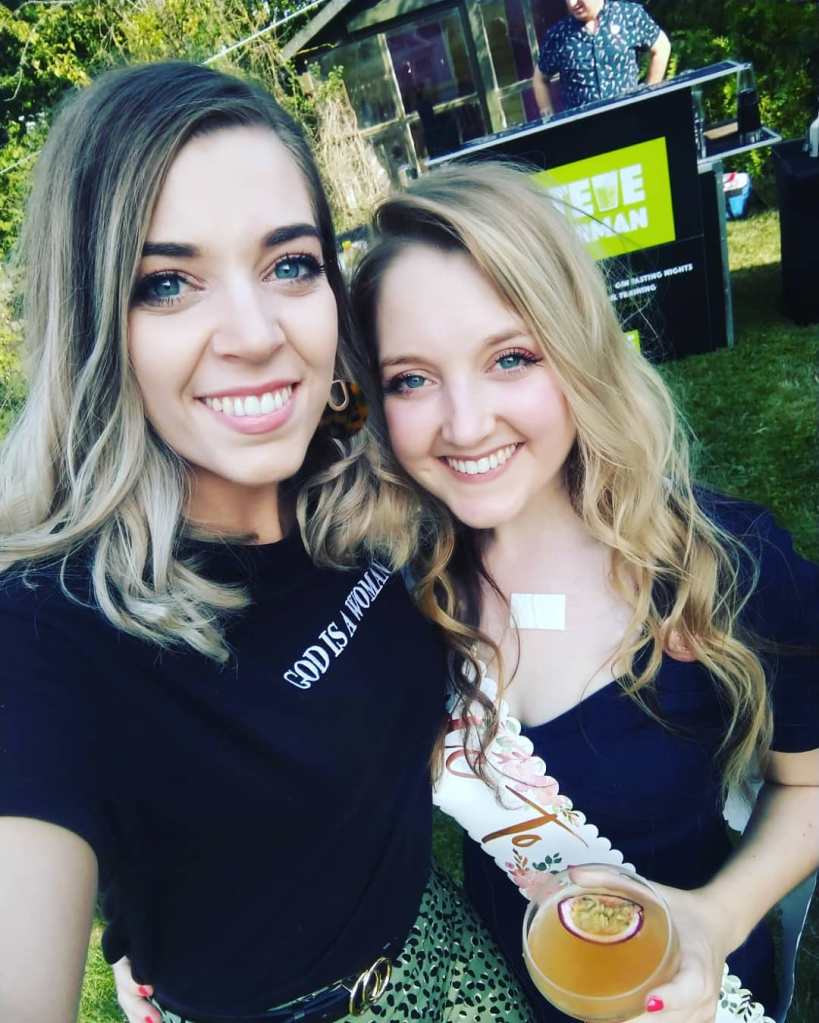
One thing I would say to someone with lupus and someone supporting a loved one with lupus is do your research! I’d never heard of lupus before Thea was diagnosed and had no idea what it meant, what it was or how it affected your body. There is a lot of material and information out there and it can be quite overwhelming to digest but definitely reading up on the illness from reliable sources is very beneficial to understanding the disease and it’s implications.
On the flip side of that though, be careful with what you read and taking things as gospel. Everyone with lupus displays differing symptoms and there is such a spectrum of how it can affect people it can be easy to read one persons thoughts/ experiences (good or bad) and think that’s how it will be for your loved one and actually it ends up being completely different (again, positively or negatively!). So I would say research and read up as much as you can but remember to go with the flow and take it as it comes and listen to your loved one. Only they know how they feel whether it be angry, sad, guilty or on top of the world…be there and be an ear for any chats.
The hardest part of supporting a loved one with lupus is not being able to control their pain or do anything that physically helps or take it away. Some of the struggles are so hard to watch and you just wish you could switch the clock back to before they were in chronic pain or even minor discomfort!
Another difficulty is not always being able to do the things you would ‘usually’ with your loved one…whether this is a cheeky impromptu vino at Waterloo station after work or a random pizza and sleepover night or a yoga retreat in the rain! It doesn’t mean you can’t do these things at all, you absolutely can and will, it just sometimes means things need to be planned a little more carefully or plans adapted and maybe even changed on the day. Look forward to the things you can do and will be doing together rather than back. The laughs, memories and experiences shared together won’t change even if the plans do!

 Livin' La Vida Lupus
Really insightful post. Interesting to hear the perspectives of your loved ones! Also your mum sounds very practical and strong 💕 sounds like you have a very supportive family around you 🙂
LikeLike