

When I was first diagnosed with Lupus one of the first things I started researching was the role diet plays in causing, treating and recovering from a flare. What I discovered was an absolute minefield of conflicting and confusing dietary advice, some of which I took on board and some of which I dismissed as utter B.S. Five months down the line, here’s what I’ve learned about Lupus and diet.
- Turmeric capsules will not cure you. Neither will juicing 100 sticks of celery a day or only eating grapefruit for a month. In fact, let me be absolutely clear, nothing will cure Lupus. There’s a lot of crazy stuff out there about curing disease with superfoods and the type of diet we should adopt. Try to ignore it because it implies that if you’re not following it, you’re somehow guilty of giving yourself Lupus. This is neither true nor helpful. By the way, has anyone actually tasted any of this stuff? Because it’s disgusting. And your life is challenging enough right now without only drinking things that make you gag. People will also start to suggest this weird stuff to you by emailing you links to dailymail artciles. Thank them for their suggestion, but politely point out that it’s your medication that will put you into remission, not celery. And when they next have a cold you can smuggly ask them if they skipped a few turmeric lattes.
- Plants are the future. That all said, from my own personal experience, I can say that eating healthily is really important and makes all the difference to how I feel on a day-to-day basis. I was vegan before having Lupus so was used to eating a lot of veggies but I’ve taken it to a new level. I found meat made me feel sluggish and really uncomfortable after a big meal. General advice for those with Lupus is to avoid too much dairy as Lupus can be triggered by hormones which you can absorb from dairy products. I never drank milk but did eat cheese. Recovering from illness is hard with too many dietary restrictions in place so during my recovery I have been a bit more flexible between vegetarian and vegan, although keeping cheese to a minimum is helpful. As I said, I followed a vegan diet before having Lupus and still got ill so going vegan won’t cure you, but it might help your recovery and it will almost certainly improve your gut health and raise energy levels. This isn’t so much about cutting out meat and dairy as it is about significantly increasing your intake of vegetables and fruit.
- Avoid too much processed food. Some will say you should cut it out completely but realistically it’s not possible in my opinion. We’re battling illness, joint pain and chronic fatigue here people, we don’t have the time nor energy to bake our bread from scratch. That said, it makes complete sense that the more goodness you put in, the more goodness you get out. And if you only put crap in, you only get crap out. If you have kidney involvement you will also want to avoid anything with too much salt in it so ready meals and a lot of pre-prepared food will be a no-go. Try to home-cook your meals as much as possible. Bulk cook & freeze so you can reach for a wholesome homecooked portion of casserole from the freezer on the days you feel horrific. And my best piece of advice – let me introduce you to your new best friend: the slowcooker. Minimal effort required for a healthy, homecooked meal.
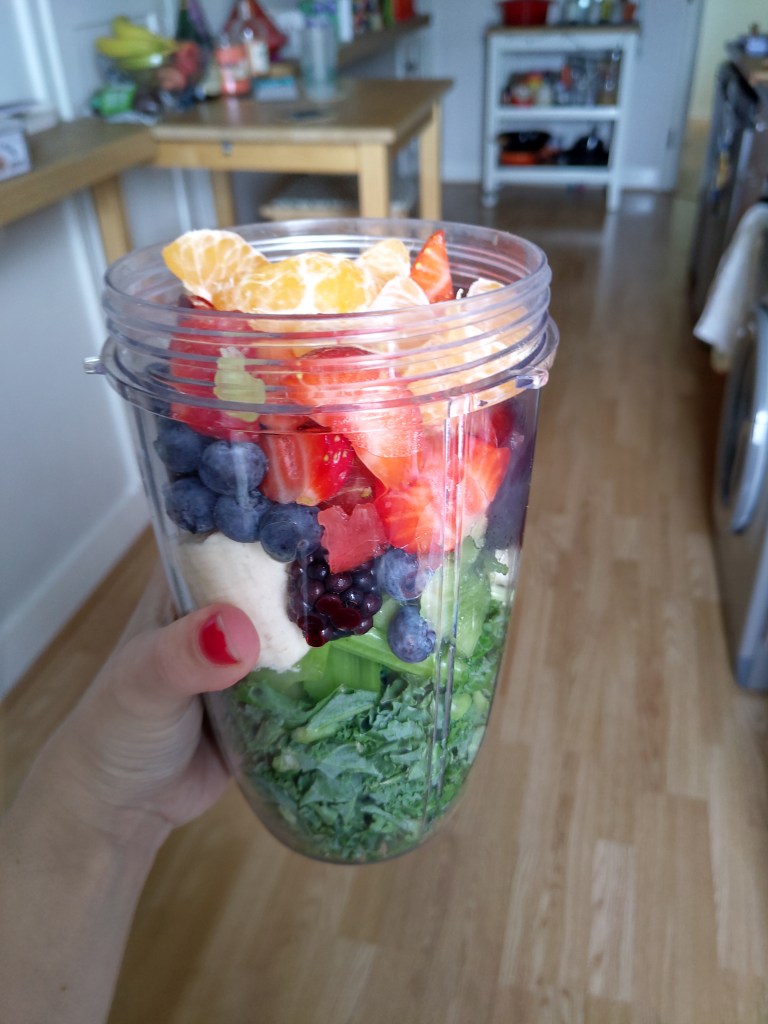
- A smoothie a day keeps the doctor away. Hang on, that’s not true, you have Lupus so you’ll see your doctor a lot actually. But a smoothie a day will really help you feel better. You can cram at least seven portions of fruit and veg into one litre of drinkable goodness. Invest in a good blender to avoid lumpy bits. I genuinely feel sluggish if I skip mine and the added benefits include improved skin, hair and nails.
- Avoid beansprouts like the plague. One thing you should definitely avoid with Lupus is alfalfa and mung bean sprouts. They contain high levels of L-canavanine, an amino acid protein that stimulates the immune system, and some research suggests it can even trigger the onset of Lupus. The bean sprouts are often used in cattle feed so can be ingested by eating beef and dairy products (another reason to go vegan!) I accidently ate half a packet of mung beansprouts in a stir fry and the next day my whole right side had completely swollen up. I couldn’t move my fingers because they were so fat and painful. In fact, I still have pain in my right ankle from it (said incident was over a week ago) so please, please, please say no to mung beans and alfalfa. In fact, probably best to just avoid beansprouts altogether. They’re dangerous and evil!
- Don’t be hard on yourself. While it’s important to invest the time and energy in eating well, try not to be too restrictive and don’t beat yourself up for craving crisps and chocolate. Your medication can mess with your weight and appetite (steroids give you an insatiable appetite, cause cravings and weight gain) and Lupus itself can make you lose weight. Not in a good way – in a kind of emaciated, sick way. Try not to associate your weight with your health, and do be mindful of how your medication might be interfering. Look after yourself, thank your body for fighting this horrible disease every day, and nourish it so it can continue to do so. This also means give it the odd treat once in a while. And love it, whatever it looks like right now, because it’s fighting for you.
- Don’t forget to drink. It’s really important to keep drinking, especially if you’ve had kidney involvement. Looking after your kidneys should be a top priority, and drinking lots of water is a key part of that. Lemon water in the morning is a firm favourite of mine (because it tastes nice, not for some weird liver detox), as are herbal tea, squash and sparkling water. I try to keep caffeine to a minimum but coffee in the morning is a must for me. Try to avoid anything with too much sugar. I’ve said it before and I’ll say it again, red wine has anti-inflammatory properties – it’s basically medicinal.
 Livin' La Vida Lupus