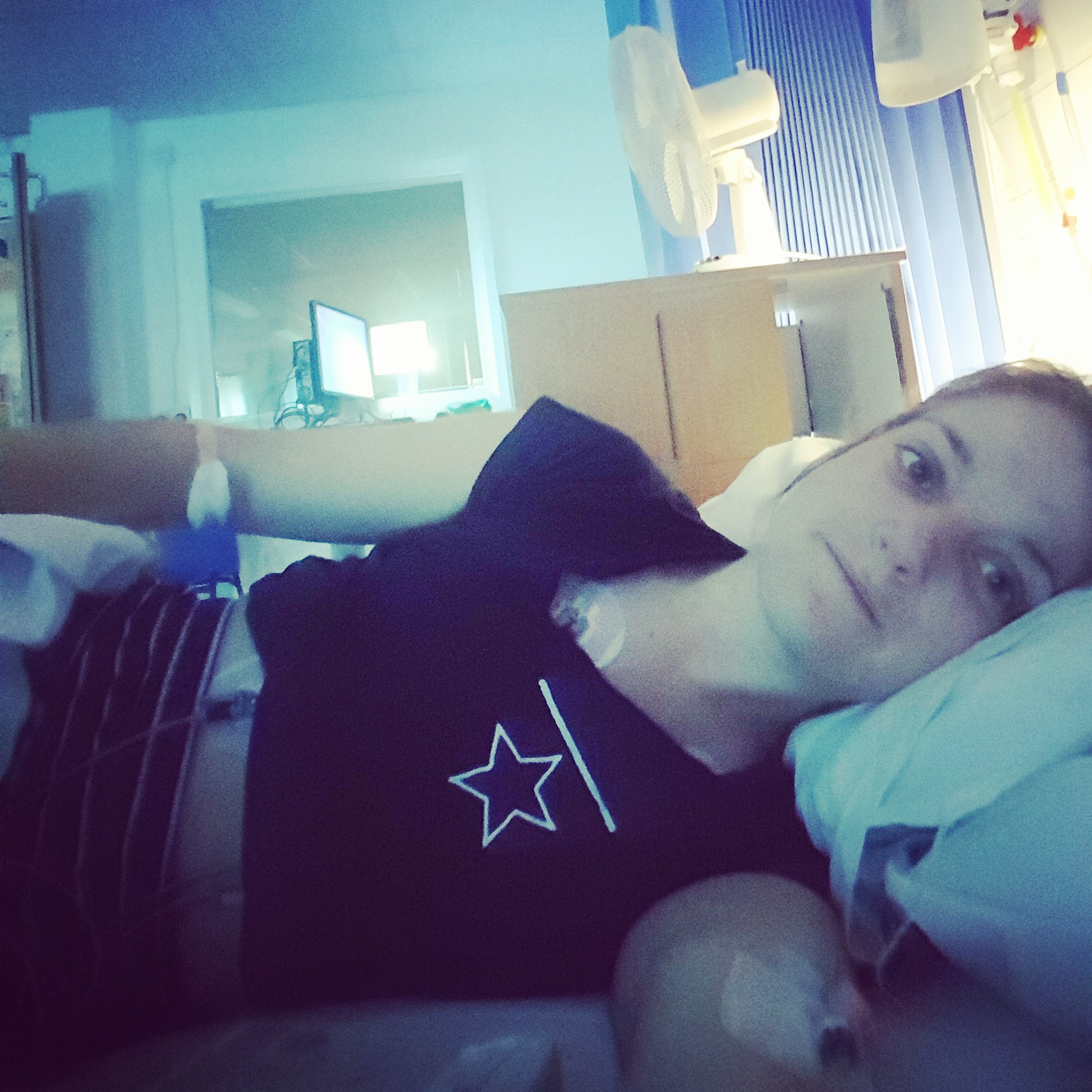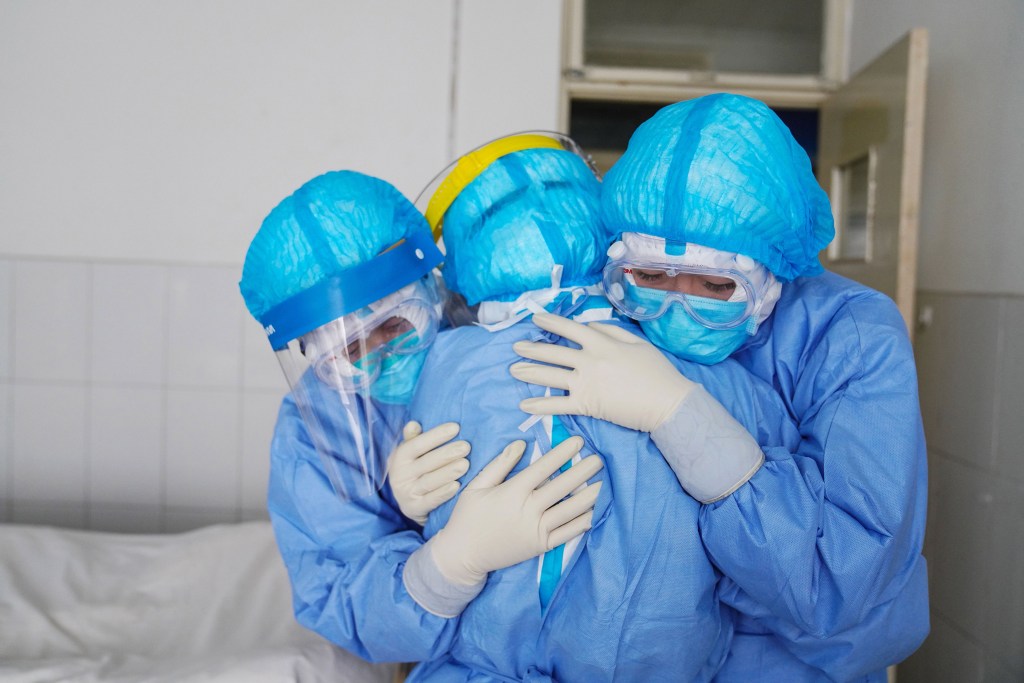
Featured

Lupus & Coronavirus

It’s what everyone’s talking about. Whether you’re out panic-buying or whether you think it’s all mass-hysteria, there’s no doubt that Coronavirus has taken over our social media feeds and is dominating our office chat. Here’s what it’s like to be amongst it all when living with active, chronic health condition.

In most cases symptoms are mild

Yes, FOR YOU. It is so frustrating to hear people in the media, offices, shops dismissing the virus, saying that symptoms are mostly mild.  This may be true for the majority of people but it’s not for people like me. We know that Coronavirus can cause more severe symptoms, such as pneumonia, in people with weakened immune systems, older people, and those with long-term health conditions. Pneumonia is no joke – certainly not in addition to Lupus. So, for you, Coronavirus might simply be the risk of mild flu-like illness, but for me, it’s a whole lot more than that.

More people die of flu

Yes, we know, because we spend all winter trying to avoid getting that too. Catching flu is also a huge risk to those of us living with chronic health conditions. There are key differences with Coronavirus though. We are vaccinated at the end of summer to protect us against seasonal flu. We are also protected to some extent by the fact that a lot of the population has immunity against seasonal flu. Currently, no one has immunity to Coronavirus which means it spreads much more rapidly through the population, making it more likely to spread to us. Evidence suggests that Covid-19 is also more contagious than seasonal flu, with its infection rate around twice as high as that for seasonal flu. Comparing Coronavirus to seasonal flu is not entirely helpful though. The symptoms of Coronavirus are more severe than flu, and with that, more deadly. The death rate for seasonal flu is around 0.1 per cent while Covid-19 proves deadly in around 3.5 per cent of confirmed cases. Serious cases can also occur in relatively young people with no prior health conditions.

Stockpiling is frowned upon

For people with chronic illness, stockpiling is a part of normal life. Supermarkets are a hotbed of infection for we immuno-compromised so every trip to one is carefully planned. We don’t have the luxury of dropping into Tesco after work to see what we fancy for dinner because every time we touch a trolley or basket, or are stood in front of the incessant sneezer in the queue, we put ourselves at risk. We have to keep our cupboards stocked of essential items and our freezers full of back-up meals because sometimes we don’t have the energy to get out of bed. I’m not talking about that ‘oh I can’t be bothered to cook tonight’ feeling, I mean the crushing fatigue that makes walking to the bathroom feel like wading through quicksand.

Family and friends

Many people with health conditions, and other vulnerable people, rely on family and friends for support with daily life. And many of us don’t live in an environment where we can self-isolate from those we live with. That makes Coronavirus also really scary for those who have loved ones living with chronic health conditions. While they may be able to withstand the ‘mild symptoms’, the thought of bringing it home to a vulnerable loved-one is terrifying.

Seeing the invisible

Coronavirus is giving many people an insight into the world of those living with disability or illness. The people who are forced into self-isolation due to the risk of infection or ill-health. The people who have had to leave careers due to the lack of flexibility or understanding from employers or colleagues. And they did so with no one watching. It’s great that measures are being introduced to support people in remote working and financially during the Coronavirus crisis but we should not forget that there are many people in our society for whom this has become ‘normal life’. They were isolated before there were articles on how to cope with the anxiety of isolation or how to work from home effectively.

The Coronavirus has demonstrated that people who are isolated need not be invisible. Yet, there is a whole community of people with disability or chronic illness for whom isolation is a reality, with or without the threat of Covid-19. If there’s one good thing that comes out of this, it should be a commitment to them. We should empower this community to participate in our society. Because we have so much to learn from their strength and resilience in the face of adversity, and they deserve to be seen.  

What can you do?

Try not to dismiss people’s concerns about Coronavirus. They might be living with a health condition, or they might live with or care for someone who does. Regardless of how you interpret your personal risk, we know that people with health conditions are at high risk of developing complications which can be life-threatening. Try not to judge people who you deem to be stockpiling. They may be doing their once-fortnightly shop or they might be buying items for vulnerable family or friends. Follow the Government advice, but understand that some people need to go further than this. Take responsibility for your role in slowing the spread of the virus, as well as other viruses and colds. With remote working accessible for many people, there’s really no need to be a martyr. Anyone with Lupus or another chronic illness will tell you that your good health is the greatest gift of all so protect it with all you’ve got. And connect with those who are isolated and vulnerable. When we unite as a community to support and carry each other, there’s nothing we can’t get through. After all, in the words of the late Ram Dass, “we’re all just walking each other home.”


 

Featured

Lupus Gift Guide

With Christmas just around the corner here are some ideas for some great gifts you can buy or make for your loved ones living with chronic illness. A lot of these are inspired by presents I received when I came out of hospital so thank you so much for your thoughtful gifts. They’re little things that really make a difference.

Hair & Beauty

People with Lupus often experience hair loss and skin problems as part of their condition. Unfortunately, it is also a side effect of commonly-used medication so can continue even when treatment is well underway. Sadly, these are quite common symptoms for most auto-immune conditions as well as many others things, including pregnancy, so it’s likely to affect someone close to you. Here are some great things you can gift your spoonie friend to help:

  • Maui Moisture hair products – these products are free of all the nasty chemicals that can harm your hair. They’re made with Aloe Vera and coconut oil, and I’d recommend a shampoo, conditioner and hair mask in either the ‘thicken and restore’ range or the ‘heal and hydrate’ range. More info at: http://www.mauimoisture.com
  • Lee Stafford HAiR GRowTH range – a six piece regime designed to stimulate hair growth, including a scalp scrub, shampoo, conditioner, treatment, scalp serum, and a leave in treatment. More info at: http://www.leestafford.com/en/products/pink-range/hair-growth
  • Silk pillowcase or head wrap – I absolutely swear by these and am sure they helped stave off further hairloss when mine was at its worst. Sleeping with your hair on silk rather than cotton prevents it tugging on the fabric while you sleep. My friend made a beautiful pillowcase for me but if you’re not handy on a sewing machine they can also be found on Amazon.
  • Moroccan Argan oil – this is great for adding moisture to brittle hair. You can get the oil in a spray or bottle and you can also get leave in treatments which are great for overnight moisture drench.
  • Bio oil – best known as a scar and stretch mark product but it works wonders for skin conditions too. They have launched a new range of dry skin gel which is amazing. More info at: http://www.bio-oil.com/uk/uk-en
  • Sheet face masks – another great option for dry skin and so easy to use
  • Nail polish – because when your hair and skin are bad it’s just nice to have nice nails!

Sleep & Relaxation

If your friend has a chronic health condition and is on a lot of medication, the chances are they’ll be exhausted but struggling to get a good night’s sleep. Here are some gifts to help them unwind at night and try to hit that insomnia on the head.

  • Lavender sleep products – At the worst of my insomnia I received a fantastic package from a friend that included a lavender-filled pillow, some lavender oil, and some lavender tea. It really helped so much and was such a lovely gift. My hamper came from the Hop Shop in Kent but you can find many lavender products on the high street: http://www.hopshop.co.uk
  • Bath products – There’s a good chance your friend lives with a lot of joint and muscle pain and there’s nothing that helps more than a steaming hot bath. A luxury bubble bath, a scented candle and a nice body scrub make a medicinal bath a real treat.
  • Cosy PJs or loungewear – New PJs, fluffy socks, a cuddly dressing gown or a cosy pair of slippers will go a long way to making those evenings spent on the sofa with no energy to move much more bearable. We ‘spoonies’ spend a lot of time in comfies and any new ones are always a real treat!
  • Sleep Rituals Book – One of my favourite gifts I received was a book on the best rituals to give you a good night’s sleep. It contains easy practices and activities to help you fall asleep as well as sleep-friendly recipes, yoga poses, breathing exercises and soothing practices. More info at: http://www.amazon.co.uk/Sleep-Rituals-Practices-Deep-Peaceful
  • Eye mask – blocking out the light and other distractions that prevent sleep is really important, especially if your friend has many hospital stays. Why not get them a cosy and cute eye mask to help? You can also get ones with hot/cold inserts which work wonders if your friend experiences headaches or migraines.

Fight the Freeze

If your friend suffers with circulatory conditions like Raynaud’s, there’s a good chance they’re always cold. As we come into winter, your gifts can help them keep warm.

  • Electric blanket – because the idea of getting into a cosy warm bed on a freezing winter’s night is just bliss!
  • Hot water bottle – I am pretty much glued to a hot water bottle most of the time and you can never have too many. These make a great gift!
  • Hats, Gloves, Scarves – Big blanket scarves are brilliant because they are multi-purpose. Fingerless gloves are also excellent because they can be used while typing, keeping your hands and wrists warm. If you’re a handy knitter or crocheter have a go at making a wooly gift, otherwise there are plenty of winter warmers available on the high street.

Food & Drink

Self-care is really important when you live with a chronic illness and what you eat and drink is a really huge part of that. But I’ll admit that some days it can be really, really hard to find the energy to do a Tesco shop or cook a nice, healthy meal from scratch. While you can put the hoovering off until tomorrow, you can’t pick the mould of the stale crust of bread forever. Here are some things you can gift to make eating and drinking well that bit easier.

  • Slowcooker – I am a recent convert but it changed my life. You just chuck the ingredients in the pot and leave it to cook. You can go out for a day at work or back to bed for the day and when you’re back a hot, fresh meal is waiting for you. If your friend doesn’t have a slow cooker please, please buy them one. They’re really not expensive and they will love you forever.
  • Recipe books or magazines – Trying to push through the brain fog to remember what it is you usually eat can be really tricky some days so having something written down can really help. Try not to go for a book that contains really complicated recipes with ingredients they’re not likely to have as this can be overwhelming when you don’t feel great. I found that magazines like the ‘Good Food’ seasonal magazines are really good as the ingredients are readily available in the supermarkets and the recipes are short and sweet, but really nutricious and delicious!
  • Care packages – you could make your friend a care package of all their favourite goodies like tea, coffee, biscuits. You could also include things like spice mixes that will save them time for a future meal. If they’ve just come out of hospital could you make some meals to go in the freezer? Or could you order them a delivery of fridge and cupboard basics so they don’t need to leave the house for a few days? This will be a real help and will mean such a lot to them.
  • If you’re still in doubt about what to buy your poorly pal, you can’t go wrong with a bottle of wine and some nice chocolates.
Featured

Lupus & diet

When I was first diagnosed with Lupus one of the first things I started researching was the role diet plays in causing, treating and recovering from a flare. What I discovered was an absolute minefield of conflicting and confusing dietary advice, some of which I took on board and some of which I dismissed as utter B.S. Five months down the line, here’s what I’ve learned about Lupus and diet.

  1. Turmeric capsules will not cure you. Neither will juicing 100 sticks of celery a day or only eating grapefruit for a month. In fact, let me be absolutely clear, nothing will cure Lupus. There’s a lot of crazy stuff out there about curing disease with superfoods and the type of diet we should adopt. Try to ignore it because it implies that if you’re not following it, you’re somehow guilty of giving yourself Lupus. This is neither true nor helpful. By the way, has anyone actually tasted any of this stuff? Because it’s disgusting. And your life is challenging enough right now without only drinking things that make you gag. People will also start to suggest this weird stuff to you by emailing you links to dailymail artciles. Thank them for their suggestion, but politely point out that it’s your medication that will put you into remission, not celery. And when they next have a cold you can smuggly ask them if they skipped a few turmeric lattes.
  2. Plants are the future. That all said, from my own personal experience, I can say that eating healthily is really important and makes all the difference to how I feel on a day-to-day basis. I was vegan before having Lupus so was used to eating a lot of veggies but I’ve taken it to a new level. I found meat made me feel sluggish and really uncomfortable after a big meal. General advice for those with Lupus is to avoid too much dairy as Lupus can be triggered by hormones which you can absorb from dairy products. I never drank milk but did eat cheese. Recovering from illness is hard with too many dietary restrictions in place so during my recovery I have been a bit more flexible between vegetarian and vegan, although keeping cheese to a minimum is helpful. As I said, I followed a vegan diet before having Lupus and still got ill so going vegan won’t cure you, but it might help your recovery and it will almost certainly improve your gut health and raise energy levels. This isn’t so much about cutting out meat and dairy as it is about significantly increasing your intake of vegetables and fruit.
  3. Avoid too much processed food. Some will say you should cut it out completely but realistically it’s not possible in my opinion. We’re battling illness, joint pain and chronic fatigue here people, we don’t have the time nor energy to bake our bread from scratch. That said, it makes complete sense that the more goodness you put in, the more goodness you get out. And if you only put crap in, you only get crap out. If you have kidney involvement you will also want to avoid anything with too much salt in it so ready meals and a lot of pre-prepared food will be a no-go. Try to home-cook your meals as much as possible. Bulk cook & freeze so you can reach for a wholesome homecooked portion of casserole from the freezer on the days you feel horrific. And my best piece of advice – let me introduce you to your new best friend: the slowcooker. Minimal effort required for a healthy, homecooked meal.
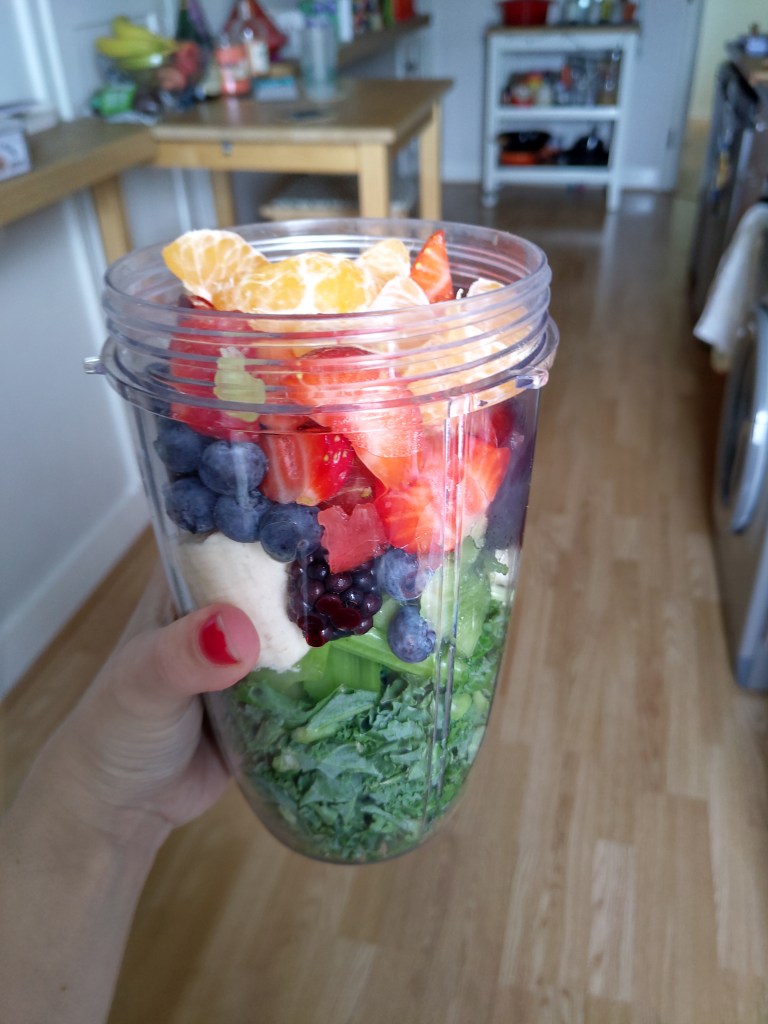
  4. A smoothie a day keeps the doctor away. Hang on, that’s not true, you have Lupus so you’ll see your doctor a lot actually. But a smoothie a day will really help you feel better. You can cram at least seven portions of fruit and veg into one litre of drinkable goodness. Invest in a good blender to avoid lumpy bits. I genuinely feel sluggish if I skip mine and the added benefits include improved skin, hair and nails.
  5. Avoid beansprouts like the plague. One thing you should definitely avoid with Lupus is alfalfa and mung bean sprouts. They contain high levels of L-canavanine, an amino acid protein that stimulates the immune system, and some research suggests it can even trigger the onset of Lupus. The bean sprouts are often used in cattle feed so can be ingested by eating beef and dairy products (another reason to go vegan!) I accidently ate half a packet of mung beansprouts in a stir fry and the next day my whole right side had completely swollen up. I couldn’t move my fingers because they were so fat and painful. In fact, I still have pain in my right ankle from it (said incident was over a week ago) so please, please, please say no to mung beans and alfalfa. In fact, probably best to just avoid beansprouts altogether. They’re dangerous and evil!
  6. Don’t be hard on yourself. While it’s important to invest the time and energy in eating well, try not to be too restrictive and don’t beat yourself up for craving crisps and chocolate. Your medication can mess with your weight and appetite (steroids give you an insatiable appetite, cause cravings and weight gain) and Lupus itself can make you lose weight. Not in a good way – in a kind of emaciated, sick way. Try not to associate your weight with your health, and do be mindful of how your medication might be interfering. Look after yourself, thank your body for fighting this horrible disease every day, and nourish it so it can continue to do so. This also means give it the odd treat once in a while. And love it, whatever it looks like right now, because it’s fighting for you.
  7. Don’t forget to drink. It’s really important to keep drinking, especially if you’ve had kidney involvement. Looking after your kidneys should be a top priority, and drinking lots of water is a key part of that. Lemon water in the morning is a firm favourite of mine (because it tastes nice, not for some weird liver detox), as are herbal tea, squash and sparkling water. I try to keep caffeine to a minimum but coffee in the morning is a must for me. Try to avoid anything with too much sugar. I’ve said it before and I’ll say it again, red wine has anti-inflammatory properties – it’s basically medicinal.
Featured

Lupus & Loved Ones

Although I am the one that’s been diagnosed with Lupus, that lives with the symptoms on a daily basis and has to take ownership of recovery, there is no doubt that my diagnosis has had a huge impact on those around me. I often wonder what they think of Lupus; how have they dealt with it? How has it changed their daily lives? They’ve been chucked into the deep end and now they’re also forced to live with it daily. It’s been a steep learning curve for them too – what is Lupus and how do you support your loved one when they receive a diagnosis? Well, let’s hear it from them…

Lupus & my Fiancé

When Thea was diagnosed with Lupus I had no idea what the disease was and how it would affect our lives. It has only been with hindsight that I have been able to pick up on the indicators that something wasn’t right for the preceding year. When your partner tells you that they are tired or have aches and pains you often put it down to other factors, work, the weather or the weekend’s activities.

Diagnosis of a life-altering condition can often be just has hard to process for the loved ones as well as the person affected. Often with a disease such as Lupus, which isn’t particularly common, the first thing you do is google what it is. This can lead you to a range of possible results, leaving you thinking ‘it’s not that bad’ or, on the other end of the spectrum, blind panic! While trying to support someone the most difficult bit is to find that balance between the two reactions, you don’t want to be too panicked as you are trying to support someone through their recovery, but also saying “you’ll be fine” is often the last thing that person wants to hear. That balance is sometimes hard to process when in your own mind you are running through all the possible permutations on you and your loved one’s life after the diagnosis.

Lupus is hard to take as a couple, especially when you are active people who love being outdoors, and often the thought of doing those things that you love without your partner can suck the enjoyment out of those activities. Lifelong diseases such as Lupus will affect your day to day life but the best thing you can remember is to have patience. You won’t be able to rush around and be out every evening like you used to be, but instead it allows you to appreciate down time spent together sitting on the sofa for an evening or spending longer in bed on a Sunday morning.

Going through events such as these with a loved one makes you appreciate the relationship that you have, the love and support you give each other, and will give you an immense feeling of pride as your watch your partner work hard on their road to recovery.

Lupus & my mum

Seeing your child in pain, even when that child is 27, and being unable to take that pain away is almost unbearable. One of the hardest parts of Thea’s Lupus journey for me as her mother, has been seeing her in pain. After several weeks of being in pain and still no follow up in sight, my insistence that a GP come out to her finally resulted in Thea being admitted to hospital, being administered morphine and a Lupus diagnosis made within 24 hours.

Having got a diagnosis, next came understanding what it meant and the short and long term impact on Thea’s future life plans. Personally I chose not to do lots of online searching, preferring to ask questions and seek information from the medical experts who were treating Thea and knew the specifics of her Lupus case.

Thea was in hospital for 8 days, during which time my focus was on keeping her company, keeping her spirits up and providing her with lots of healthy snacks. Once out of hospital the focus changed to supporting recovery and managing expectations of speed of recovery and return to normality, as well as accompanying Thea to weekly outpatient clinics.

Three months on, and as Thea continues to make a slow recovery, my hindsight advice for someone with or supporting a loved one with suspected/newly diagnosed Lupus:

  • Be persistent. Pursue answers to reach explanation and diagnosis.
  • Be positive. A Lupus diagnosis does not have to change life plans.
  • Be patient. Do not expect a quick recovery, however young and previously fit the patient.
  • Focus on the important things – eat well and rest. Ditch the things that do not matter.
  • Celebrate milestones on the road to recovery.
  • Accept some days will just be worse than others, for no apparent reason.
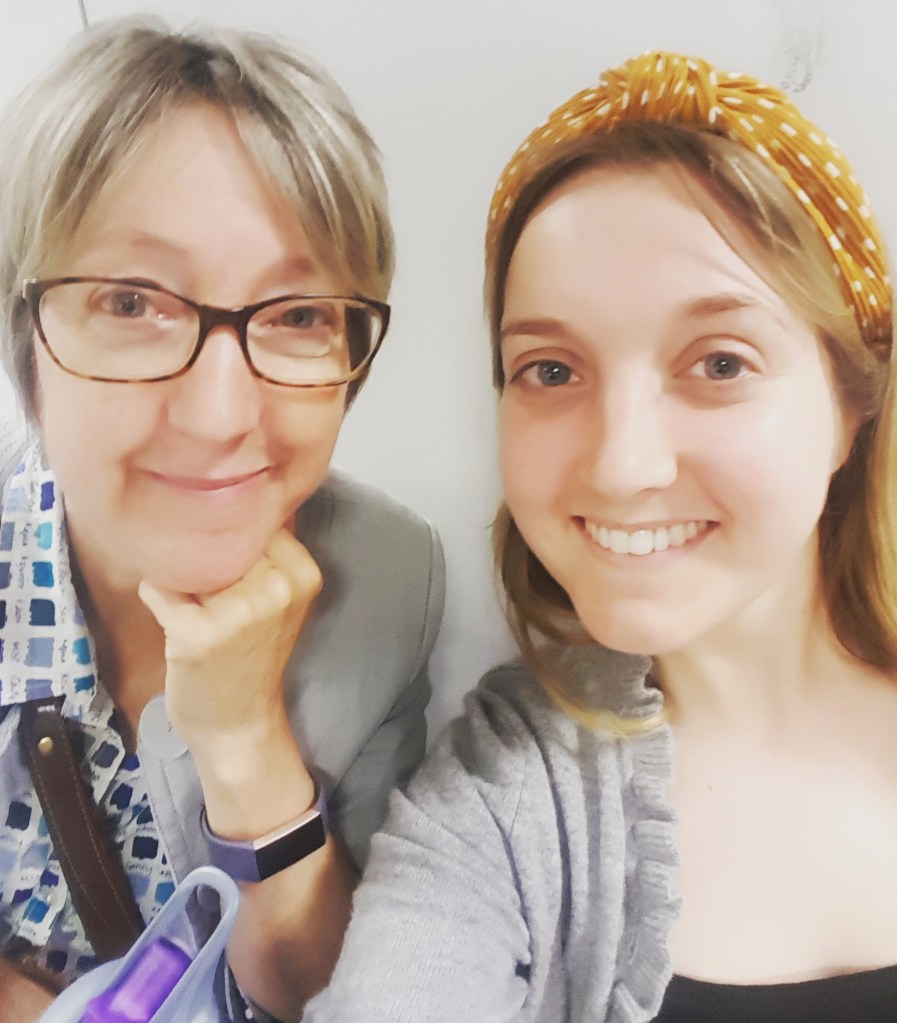
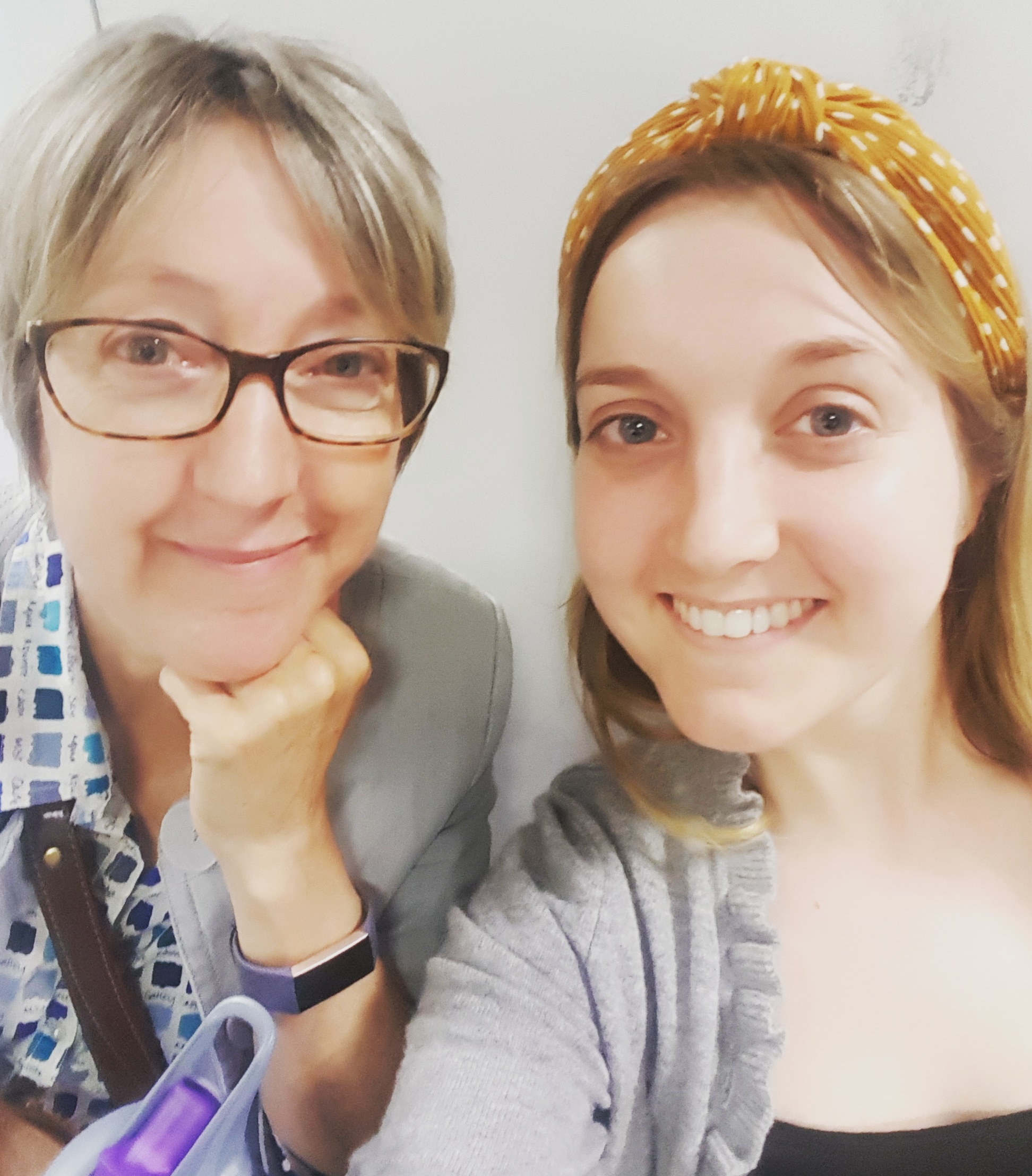
Mum & me in the Lupus clinic

Lupus & my sister

When my sister got diagnosed with Lupus, I didn’t really know what that meant. I knew it was an autoimmune disease, and know a couple of people who have it, but didn’t know the ins and outs of what living with Lupus was like or what she would need from me.  

I visited Thea in hospital when she was first diagnosed and documented her starting her Lupus medication on video (she will be able to name the exact medication; she was taking so much at the time that I couldn’t tell you the name). She was in hospital and looking extremely thin, although her face was puffy from the steroids she had been taking. She was on a ward with all older women, and although the bathroom was next door to her bed, I remember her having to be wheeled there in a wheelchair – she couldn’t walk. She was super sleepy and could barely hold a conversation. It was difficult to know what to say/do at the time. I think her knowing I was there was enough for her at the time.

Following Thea’s discharge from hospital she was back living at our mum’s house, 20 minutes from mine, so I got to spend a lot more time with her than I would usually. My advice to anyone with a sibling with lupus is to make more of an effort to spend time with them, message them more frequently, call them when you can. I would call Thea on way home from work – it didn’t take any time away from my day but would make all the difference to hers. We would talk about the build up to her wedding, or how my day had been, or anything girly to pass time. Sometimes she wasn’t on the phone for long – you could always tell when she was tired, and it was important to make sure she knew that was okay too, and that you were just calling to check in and that was it.

Thea also came to stay with me when she got shingles. Our mum was going up to our Grandma’s house and we couldn’t risk Thea giving shingles to her. I cleared my evenings (I was spending evenings at classes in the gym to get ready for a big holiday) and got the house ready for Thea’s arrival. Netflix was ready and waiting so she could chill on the sofa whilst I was at work but following a message from Nat (Thea’s best friend) saying Thea was throwing up and fainting, I knew I had to go and work from home. I didn’t want anything happening when she was by herself. Luckily my work was super understanding and let me work from home the rest of the week. We realised that icepacks helped the pain, so every so often I was sorting those for her and making sure she was comfortable with a bucket nearby in case she needed it! One evening we even managed a quick dog walk to the park and back, a slow pace, but it made all the difference to her to get out and enjoy watching Humphrey (the dog) run after the ball. Humphrey was also on his best behaviour, trying to fool his aunty into thinking he was a good boy!

Patience is a virtue – something I have to work really hard on anyway! It’s easy to forget what your loved one is going through, and it can get frustrating when you find them being irrational. Thea’s hen do was always going to be a difficult occasion, but I was doing Thea’s hair and make-up, as well as trying to make sure things for the day were set up and things were going to run smoothly. I was under a lot of pressure, and Thea started to get upset as she thought I wasn’t going to do her hair. Obviously I was still going to do it but we were getting strapped for time. It was important to be patient and understanding with her – she only wanted to look her best and snapping back at her would only make the situation worse. You just have to remember to put yourselves in their shoes, and looking her best on this special day, when she was ill and had been conscious about her appearance for the last few months, you can understand why she was getting upset/concerned about it not being done. Reason with your loved ones, it may seem as though they’re being irrational to you but be patient and make sure they know you have their best interests at heart.

In summary, my advice to anyone who has a sibling diagnosed with lupus, is that they go easy on them. Make the extra effort to spend time with them, contact them, give them help when they need it. Try and understand what they’re going through and empathise with them. Cancel those gym classes you have in the evening and spend the time with them – it won’t hurt you in the long run and can make all the difference to their day.

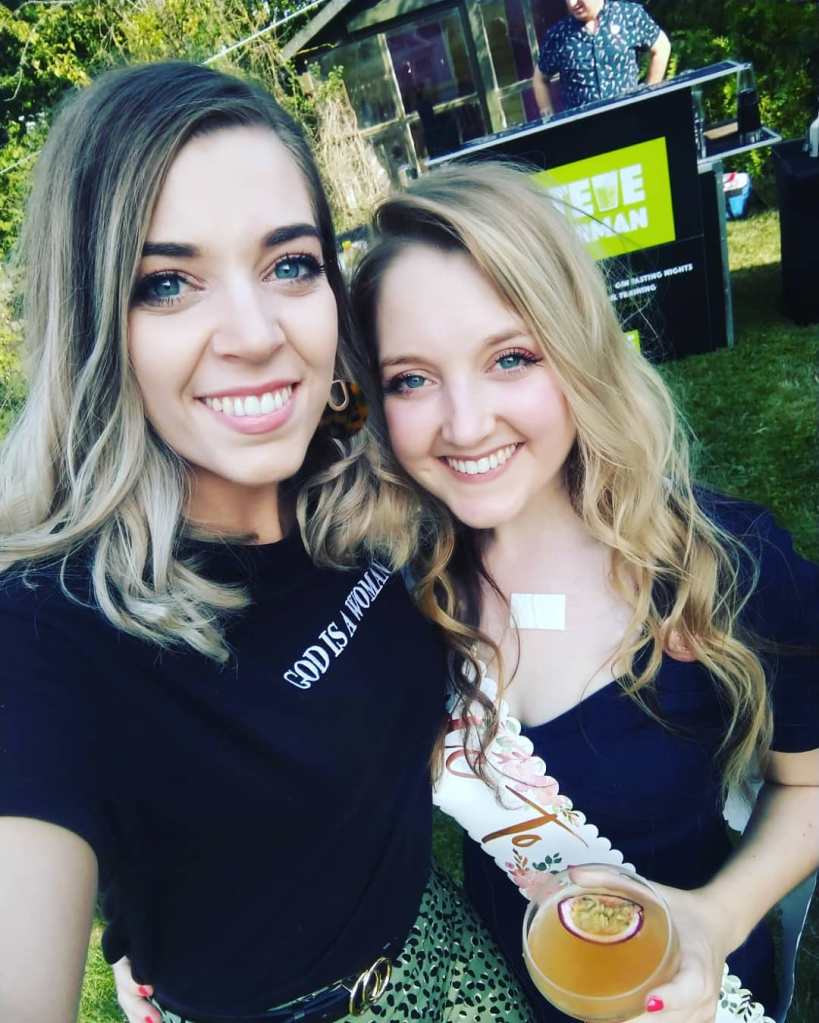
My sister & me at my amazing hen do

Lupus & my best friend

One thing I would say to someone with lupus and someone supporting a loved one with lupus is do your research! I’d never heard of lupus before Thea was diagnosed and had no idea what it meant, what it was or how it affected your body.  There is a lot of material and information out there and it can be quite overwhelming to digest but definitely reading up on the illness from reliable sources is very beneficial to understanding the disease and it’s implications. 

On the flip side of that though, be careful with what you read and taking things as gospel.  Everyone with lupus displays differing symptoms and there is such a spectrum of how it can affect people it can be easy to read one persons thoughts/ experiences (good or bad) and think that’s how it will be for your loved one and actually it ends up being completely different (again, positively or negatively!).  So I would say research and read up as much as you can but remember to go with the flow and take it as it comes and listen to your loved one.  Only they know how they feel whether it be angry, sad, guilty or on top of the world…be there and be an ear for any chats.

The hardest part of supporting a loved one with lupus is not being able to control their pain or do anything that physically helps or take it away.  Some of the struggles are so hard to watch and you just wish you could switch the clock back to before they were in chronic pain or even minor discomfort! 
Another difficulty is not always being able to do the things you would ‘usually’ with your loved one…whether this is a cheeky impromptu vino at Waterloo station after work or a random pizza and sleepover night or a yoga retreat in the rain!  It doesn’t mean you can’t do these things at all, you absolutely can and will, it just sometimes means things need to be planned a little more carefully or plans adapted and maybe even changed on the day.  Look forward to the things you can do and will be doing together rather than back.  The laughs, memories and experiences shared together won’t change even if the plans do!

Prosecco with the best bestie a woman could ask for!
Featured

My top tips for coping with fatigue

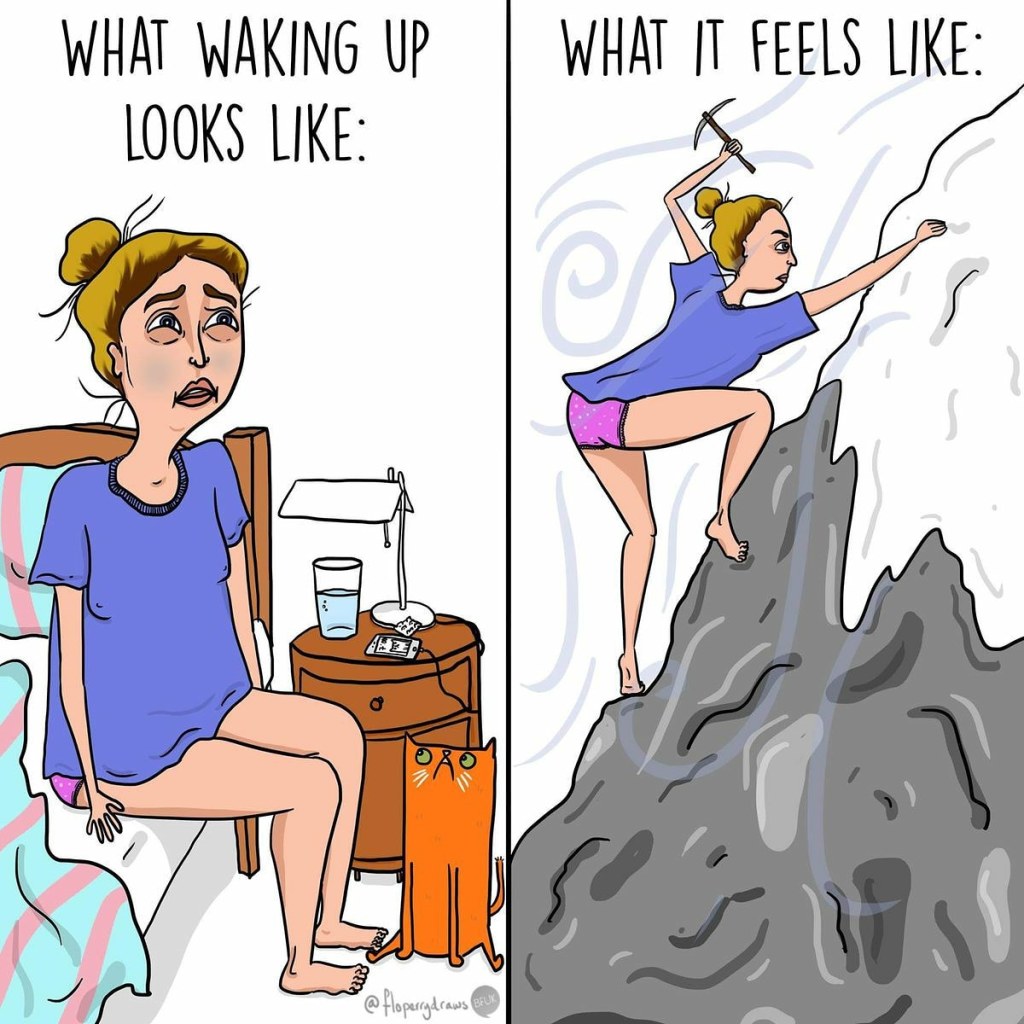
Fatigue. Fatigue. Fatigue. I am so freaking tired of fatigue. Almost everyone with Lupus experiences fatigue and it is one of the most common symptoms of Lupus. It can totally disrupt your life. Many different factors cause the fatigue we experience which means there’s no easy answer to treating it. It can be caused by anaemia, depression (another big symptom of Lupus), pain, quality and/or quantity of sleep, severity of illness, recovery from flares, medication and stress. Fatigue isn’t tiredness. It is an all-consuming depletion of your energy that makes even the most basic of tasks completely overwhelming and impossible. And the worst bit is that sleep doesn’t make it go away. Fatigue is a part of daily life for most people with any type of chronic illness, and it can really inhibit our ability to live a ‘normal’ life. So, although there’s no ‘one size fits all’ solution, here are some of my top tips for coping with fatigue and not letting it win!

  1. Rest – it seems obvious but whether you’re recovering from a flare, coping with symptoms or just battling through daily life with chronic illness you really do have to make sure you get enough rest. You have to accept that life will be different when you have fatigue and you simply can’t function at the same pace you’re perhaps used to. This is OK – it doesn’t mean you’ve failed! It doesn’t mean you can’t have fun or that you have to give up the things you love! It just means you have to listen to your body, take it seriously, and learn to adjust. I need different amounts of rest depending on how I’m feeling and what I’m trying to do/have done. For example, a day at work needs a day of rest. A trip to the supermarket and a blitz of the house need a couple of hours of recovery time on the sofa. Just listen to your body. There are plenty of things you can do to keep busy on a rest day (check out my previous post ‘busy doing nothing’) if, like me, you get restless resting.
  2. Move your body – there is loads of evidence that tells us exercise is really good for improving energy levels but depending on your severity of illness and state of disease it can be really hard to muster the energy to do it. I find that it’s not so much about raising your heart rate and pumping iron, the important thing is that you simply move your body. I used to work out 4 or 5 times a week and was fit and healthy pre-Lupus but I can’t do that kind of exercise at the moment. I’ve lost a lot of muscle mass and strength, suffer with nausea, get tired quickly, and have an extremely high fast rate. I should avoid exercise that has a high impact on my joints and am building up the exercise that I can do slowly. I personally prefer exercises where I have an easy way out in-case I get too tired – I don’t need to be the one walking out of a spinning class after five minutes! But however I’m feeling, I try to do something to move my body every day. I go for a walk, do some stretching, do some cleaning, do some yoga or do a few reps of exercises with light hand-weights. As I get more strength back I’ll try swimming, some cycling, and maybe even join the gym – we’ll see! So listen to your body and do what feels right, but be sure to move because it really does help.
  3. Get a good night’s sleep – this is obviously easier said than done, and as someone who suffered debilitating insomnia during the first few weeks of treatment, I know how it can frustratingly worsen fatigue. There are things you can do to establish a good sleeping routine and sticking to it can really help overcome insomnia. Although getting a good sleep won’t cure fatigue, it will set you up for coping with it a bit better. I use a lot of lavender to help me drift off (oils, pillow, lavender tea); I don’t have any screens in the bedroom; I read a few pages of a book under a dim light; I listen to a calming podcast. A soothing bath or a meditation before bed also helps get into the right headspace for sleeping. I also do some breathing exercises to slow my heart rate to help me sleep. Try to avoid sleeping during the day if you can, although I know it can be hard if you don’t feel well and you’re not sleeping at night. As a general rule, if I had managed five or six hours of sleep the previous night I avoided cat-napping. Just listen to your body though, it will tell you what it needs.
  4. Plan – planning my time including, importantly, rest time has made me feel productive and has helped me to achieve the things I want to. I know that to do things, I need to rest for them so I make sure I plan the time I need. It’s also important to be flexible too so you can take more time to rest if you need it. To help, I try to have back up meals in the freezer and I have a list of ‘5 minute meals’. Making plans gives you something to look forward to and I love the excitement of planning something special with loved ones.
  5. Eat well – Research suggests that maintaining a healthy weight can really help manage fatigue. Whatever your weight, there’s no doubt that the food you eat plays a huge role in how you feel. There’s no recommended diet for Lupus but I follow a whole-foods vegan diet. I try to eat as many raw fruit and vegetables as possible and avoid processed food as much as I can. Eating healthy, wholesome, tasty and healing food makes my body feel nourished. That said, I don’t believe in denying your body what it needs when you need it, so don’t say no to chocolate! By the way, red wine has anti-inflammatory properties so you can basically consider it part of your medication routine!
  6. Get a pet – because they’re so cute, will cuddle you when you’re resting, they don’t care if you’re ill or fatigued, and their routine gives you purpose!

What about you? Do you have any tips for coping with fatigue? Let us know!

Featured

Busy doing nothing – A guide to keeping busy on rest days

Artwork by @spoonie_village

I have never heard or used the word ‘rest’ so much as I have in the last three months since my diagnosis. At first I had no choice, I simply couldn’t do anything but lie in bed or sleep on the sofa. My medical team said it would take weeks of rest to recover from this flare. Energy would come with time, but only with plenty of rest. And it’s true, rest is such an important part of recovering from anything.

But what I’m learning is that rest is not just part of recovering from a flare, it also becomes an essential part of life when you have a chronic illness. Before I was diagnosed with Lupus I could physically do whatever I wanted whenever I wanted to do it. Now, if I want to make plans I have to plan resting for them too. I also have to say no a lot, and be selective and realistic about what I can do. This is all to be expected – I am, after all, still only three months into life with Lupus – but by all accounts it’s also a big part of chronic illness.

I’m at a stage now where my mind is more active but my body just can’t keep up. This means that although I know resting is really important, I now find it quite hard to do nothing all day. So here is my ‘to do’ list for rest days, meaning that even when resting you can be busy doing nothing!

  1. Catch up on some TV – Netflix, NowTV, iPlayer, All4 – meet your new best friends. To keep costs down and mix it up a bit I alternate between subscription services. I never had much time to watch loads of TV, and when I came out of hospital I couldn’t really concentrate on watching anything. Now though, I’m embracing having the time to get into new series. I love the Walter Presents section in All4 and am completely addicted to anything Nordic Noir. I love documentaries about things I know nothing about; I love cooking shows; I love dramas; I love the Bake Off!
  2. Journaling – For me, writing about my experience has helped so much. It helps me process and understand what’s happened and how I feel about it. It helps me communicate better with others. But really importantly, it helps me document my progress. Looking back at what I’ve written, knowing what I know now that I didn’t then, seeing how far I’ve come, it really spurs me on to think ‘wow, if that’s what I’ve achieved in three months, just imagine where I can be in six’. Instead of being frustrated about the symptoms I still suffer from, it reminds me of those I don’t. Even though I love journaling, I struggled to journal about Lupus. Instead, I find blogging easier for some reason. I think any way of writing about or documenting your experiences, feelings, progress, ups and downs really helps. And when better to do it than on a rest day?
  3. Cooking or baking healthy comfort food – This is one of my favourite things to do! I get such joy from cooking (and eating!) so it’s a great ‘to-do’ for a rest day. Remember though, you are supposed to be resting so only easy recipes will fly – don’t try to go Delia on me! Go for things that don’t require a lot of ingredients, preparation, mess or watching over. Homemade hummus is a personal favourite as it’s so quick, requires minimal effort and can be done in stages. I also love flapjacks or energy balls as they just require all the ingredients to be mixed in one bowl and then are chucked into the oven. One thing I love doing on a rest day is prepping food to go in the freezer for the days I’m too tired to cook. I always feel much less anxious knowing I have things to fall back on and I feel like I’ve ticked something off the list for future-me. Soups, Bolognese sauces, stews and curries are good options as you pretty much just throw the ingredients into the pan and let them simmer. There is definitely a smugness you can take pride in if you’ve managed to do this on a rest day!
  4. Have a soak in the bath – Whenever I feel anxious, stressed, cold or just want some me time the bath is my go-to. Some nice bubble bath is such a treat and I usually also do a face mask and hair mask. I would also recommend some aromatherapy oils (especially if, like me, you suffer from joint pain), candles, and a nice cup of tea (or glass of wine!). This ‘to-do’ can also be combined with tasks 1, 5, 7 or 8 – see you’re even multi-tasking!
  5. Pick up a good book – Again, totally addicted to reading and love nothing more than getting my head into a novel. When I was first out of hospital I couldn’t concentrate on books and reading hurt my eyes but now that my mind if more active I’m loving reading again. To complete this task most effectively, it’s best if you are horizontal on your bed or sofa.
  6. Yoga or stretching or go for a short walk – Really listen to your body on this because you really might not be up to it and if you’re not, you shouldn’t push it. But, having said that, a little movement can go a long way. It helps mentally as well as physically. Anything that makes you hurt or raises your heart rate too much is a no-no on a rest day (or ever?!) but I do love rolling out my yoga mat, putting on some calming music and doing a few stretches. Nothing too strenuous – we’re not talking a full hour of Ashtanga primary series! – but 15 minutes of stretching out makes all the difference for your body without making you feel like you’ve run a marathon. If it’s a nice day, pop out for a quick walk. If you can tie it in with a small errand, even better. Being outside feels so good for mind and body and just five or ten minutes can make you feel fab!
  7. Catch up with friends and family – resting can feel lonely, especially if it seems like everyone else is getting on with life. Take the opportunity to properly catch up with people. Some might not be free to talk in the middle of the day but arrange a time to chat to a friend on their lunch break, or catch up with your sister on her way home from work, or record voice notes. Sometimes you might not feel like talking, and that’s ok, but it is important to stay connected to those you love so why not try an email or a letter?
  8. Listen to podcasts – I love podcasts and listen to them about pretty much anything. I listen to them in the bath, when cooking, when driving, when walking, in bed, on the train, in Tesco. Whatever your interests there’s a podcast on it!
  9. Plan a day out, holiday or date with a loved one – Making plans feels nice. Only you know how big or small your plans can be, but it’s important to have something to look forward to. Try not to be too ambitious – your loved ones just want to spend time with you – and try to make it as flexible as possible in case you’re really not up to it on the day. Some ideas could be a road trip, the cinema, a picnic, a meal out, an afternoon tea, a movie night, a home-cooked meal. It doesn’t really matter what you do, so don’t push yourself too hard. And you know what, there’s nothing more special for your loved ones than saying ‘look, I may not have the energy I once did, but whatever I do have I want to spend doing something fun with you.’
  10. Colouring – One of my fantastic friends bought me a great colouring book and set of crayons a few weeks ago and I totally love it. It’s very easy to while away an hour or so without thinking about anything other than colouring and you have something to show for it at the end!

A special thanks to friends also experiencing chronic illness for their tips on keeping busy on a rest day, which have also been included in the above. And remember, rest is for everyone! Do you have any tips for resting? Let me know and I’ll add them to the guide!

Featured

The things I’ve stopped feeling guilty about since Lupus

Artwork by @Spoonie_Village

I started this blog to document and share what it’s like to be diagnosed with Lupus. I had never heard of Lupus before my diagnosis so I knew that others must be living with symptoms and not know. It is so important to raise awareness about Lupus so that more people are familiar with the symptoms and can potentially receive a diagnosis quicker, and I want to improve understanding of what it’s like to have and live with a chronic disease like Lupus. Part of that is being really honest about what I’m going through, what I’m feeling and what the impact has been on those around me. Sometimes it’s really hard to write about and I write things in my blog that I would struggle to say aloud. If I want to achieve the things that I do, it is essential that I’m honest. I will always be honest and I won’t be ashamed or embarrassed to speak my truth. But in order to keep my head I have to temper this with a little light-hearted humour, so in contrast to my early post here are some of the things I no longer feel guilty about following my Lupus diagnosis.

Eating two or three avocadoes a day – now I LOVE avocadoes but before Lupus I would always feel guilty if I ate more than a half an avocado per day. I’ll do a blog post on Lupus and diet at some point but I’m currently trying an auto-immune protocol diet which aims to reduce inflammation and the production of antibodies through the food you eat. Clearly this goes hand in hand with medical treatment but it makes sense that you are what you eat so I’m giving it a good go. One of things it recommends is to get as many raw fruits and veggies as possible, including as much as three avocadoes a day. The fat is avocado is good fat high in anti-inflammatory properties and it tastes amazing. I don’t need to be told twice!

But also, eating a copious amount of anything really – I’ve lost over 1.5 stone since being diagnosed with Lupus which is quite a bit for a woman of my stature. This is really typical of an inflammatory disease so it’s nothing to worry about and I’ll return to normal as treatment kicks in. I joke that it’s an excellent wedding diet with great results for minimal effort but I wouldn’t recommend it! Because steroids cause this insatiable hunger that can lead to rapid weight gain I’ve been really careful about what I’m eating but not the amount I am eating. At some points I have no appetite and can’t stomach much at all but I also go through periods of a few days where I can eat for England and I’m just rolling with it. I eat a breakfast of fruits and seeds and nuts; open rye bread sandwiches with beans, greens, spreads and veggies for lunch; and vegetable pasta or curry dishes for dinner. I eat as much raw, fresh fruit and veggies as humanely possible in one day and you would not believe what that looks like – I’m basically keeping Tesco fruit and veg aisles in business! I also eat a lot of dark chocolate because it has anti-inflammatory properties and I’m an addict OK!

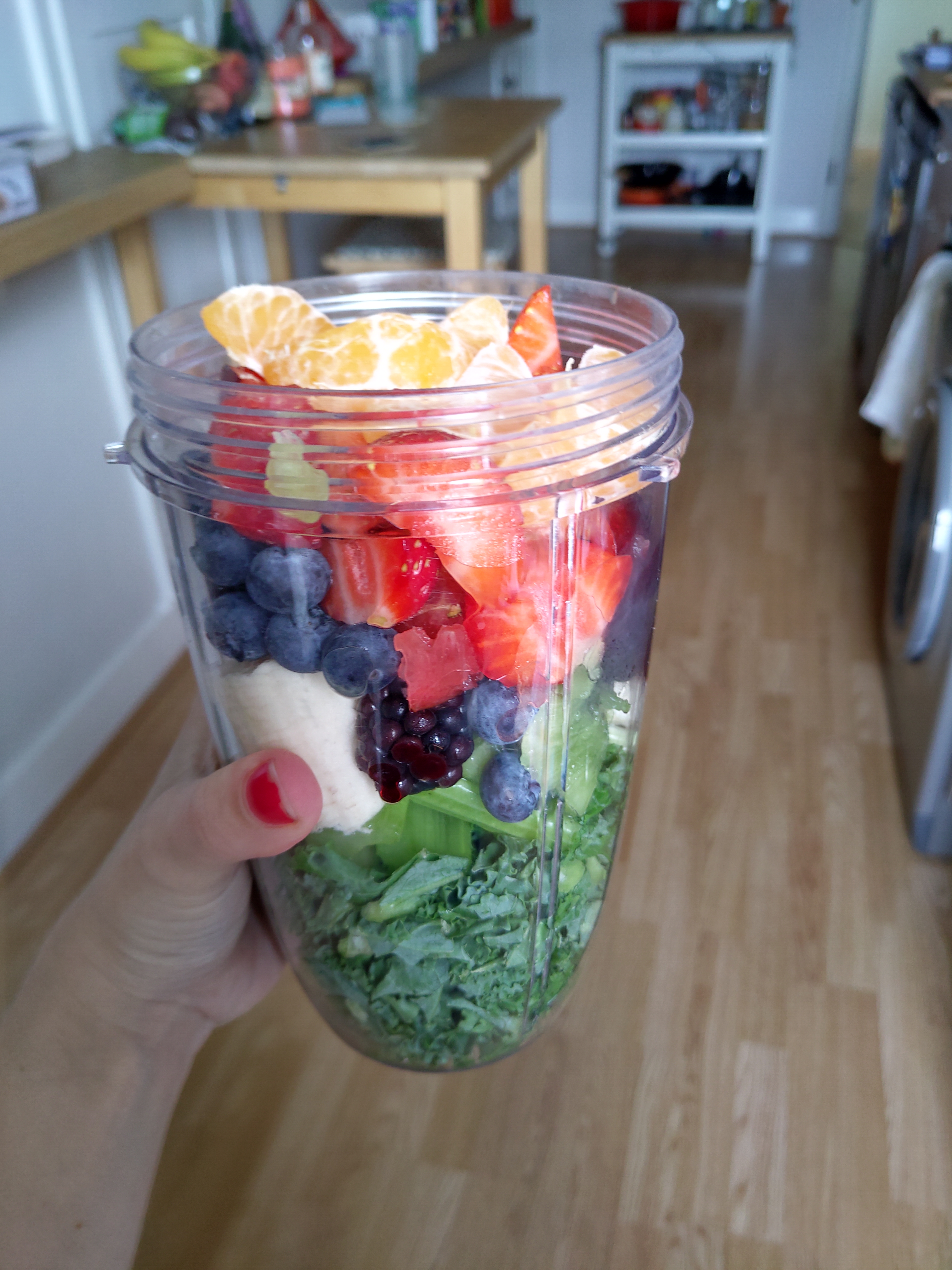
A typical breakfast
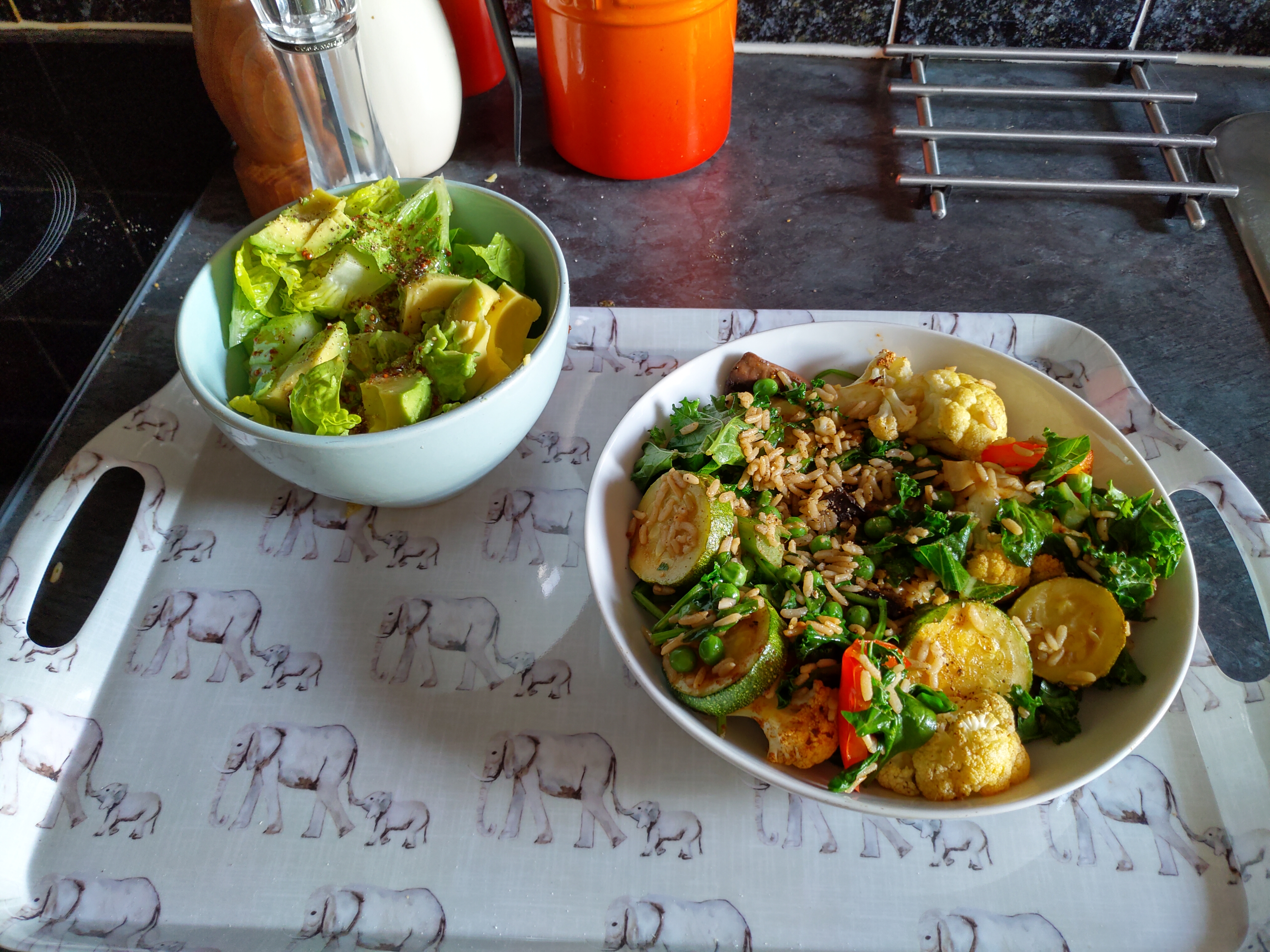
A typical dinner on the AIP diet. I love to cook but don’t have a lot of energy to stand over a hot oven for a long time. These meals are simple and delicious as well as super quick and nourishing!

Asking for help – to start with I just didn’t have a choice, I was too ill to do anything myself. Now I am learning what I can do, what I can’t do and what I need help with. Sometimes it changes and that’s OK but whenever I need it, I ask for help. This has been especially important for the wedding. I know that in order to be well for the wedding, Henry and I can’t do everything ourselves either now in planning or in the build up to the actual day. The reality is we need help. More help than most couples and more than we thought we would, but the reward is seeing us getting married and me being healthy to enjoy it! Luckily we have the most amazing family and friends so if there’s something that can be delegated we just send a text and it’s off our list. Sometimes it’s other things I need like a sweaty arm to lean on when I’m Bambi-on-ice on the hottest day of the year; a chat down the phone; or a glass of water. The point is, if I can’t do it myself I’m not afraid to ask.

Saying stupid things – I forgot my DOB the other day when I was having a blood test. I just stared at the phlebotomist blankly until he said “do you need a clue?” A few minutes later, when he asked me again to confirm the labels on the vials, I was concentrating so hard on my DOB that I forgot my name. To this he said “are you sure you’re OK?” to which I replied, for some completely unknown reason, “I think it’s the weather” before hurriedly fleeing the scene. Although sometimes infuriating, I am trying to see the humour in the brain fog moments. And anyway, I’d be fibbing if I said pre-Lupus-T didn’t have ‘blonde moments’ but now I have a disease and strong medication to blame so happy days!

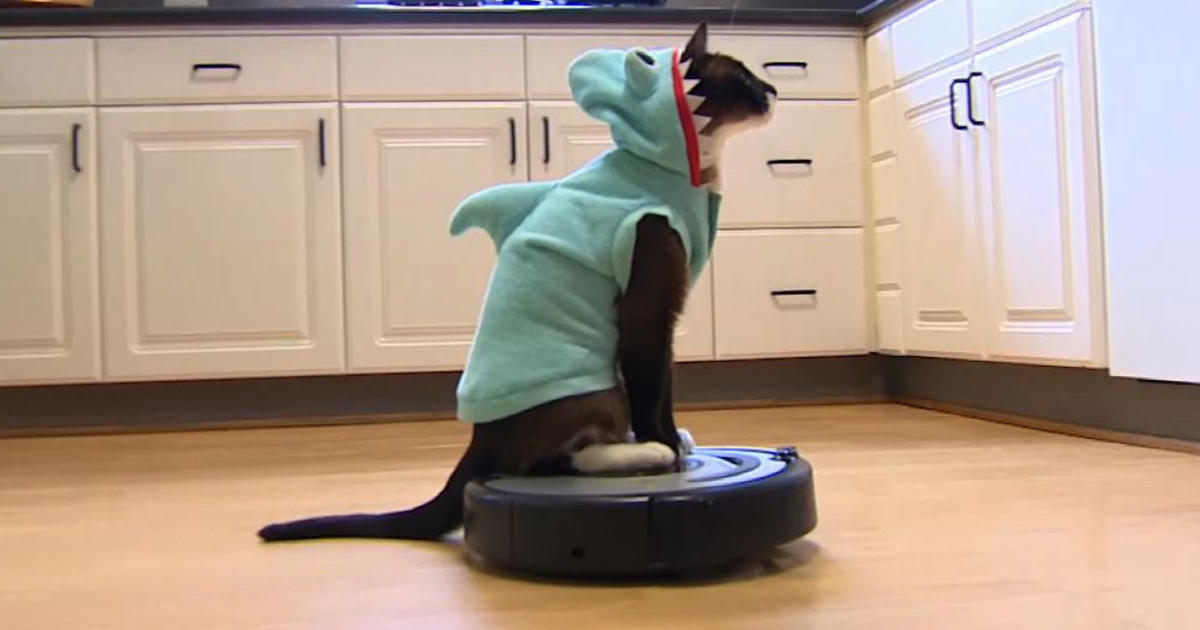
Watching YouTube videos of cats and dogs obsessively – this is just a favourite past time and brings me great joy. My absolute favourite is the cat dressed as a shark on a Roomba. It’s literally the funniest thing ever and is sure to lift anyone whose spirits are low. My current obsession is greyhounds and I have watched almost every video featuring a greyhound, most multiple times.

How can you not laugh at this?

Only washing my hair once a week – anyone that’s ever been ill knows how hard it is to shower. To start with I couldn’t physically stand in the shower without fainting or being sick, and climbing into the bath was too painful on my joints. Now, it just requires so much energy and takes a good few hours out of my day that I simply would rather do other things. Let’s say I have ten ‘spoons’ of energy per day at the moment, on a good day. Well having a shower uses at least four of those, six if want to wash my hair. That doesn’t leave room for much else so I usually end up on the sofa for the rest of the day or back in bed. Sometimes I want to use a spoon to go for a walk or sit in the garden or read a book or chat to friend or cook a meal. So, sorry if my greasy hair offends you. Actually I’m not.

Featured

Why I feel guilty about my Lupus diagnosis

Over the past few months I’ve got very used to being asked how I’m feeling. How I’m feeling physically, how my symptoms are manifesting themselves, how I’m responding to treatment, how I’m feeling emotionally. So what’s the answer? Well, Lupus has made me feel a range of things. Being told I had Lymphoma was the most terrifying thing I have ever been through and I’ve never felt fear like it. Clearly Lupus has made me feel really, really poorly but I have also felt so much love for and from the people around me. I’ve felt pain I’ve never experienced before. I’ve felt relieved that I finally have answers for what’s been happening to my body over the past 18 months. I feel tired, sick and frustrated, but I do feel as though I’m slowly getting better. I feel positive and excited for the future. But I also feel extremely guilty and here’s why.

  1. I feel guilty about all the things Lupus took from us – Henry and I were on the trip of a lifetime and to make it a reality had taken years of planning and saving. The leg of South America was the part we were the most excited about as it involved lots of trekking and culminated with spending three full weeks with our amazing friends in Brazil whom we don’t get to see very often. We were both devastated to cut our trip short and I will always feel guilty knowing I was the cause. It’s not just our trip that Lupus took though. My mum was due to fly to Peru to join us for the Inca Trail to celebrate her 60th birthday and retirement. Then the three of us were due to fly to Bogota to meet my best friend and spend two weeks travelling around Colombia. For both of them it was their first time in South America, a trip of a lifetime to join us on our travels. Lupus took this from them too and I feel guilty for their disappointment, their stress at claiming on insurance, their worry. And our friends in Brazil – guilt for their disappointment, the plans they had to cancel, their worry at being on the other side of the world.
  2. I feel guilty for the demands Lupus has put on others – I mentioned my Mum recently retired. Well, what a fun start to retirement she has had! Instead of celebrating this momentous hard-earned and extremely well-deserved life event by hiking the Inca Trail and backpacking Colombia, she has spent the first months of retirement back and forth to Addenbrooke’s hospital more times than she ever has been in her entire adult life living in Cambridge. Henry has gone back to our flat and work, and is driving a four-hour round trip each weekend to see me. They have had to deal with me at rock bottom, unable to move or do anything for myself, screaming in agony at the slightest movement. They are both also doing so much for the wedding, taking as much from my plate as possible. There is no doubt the strain on them both has been huge and it’s so hard to witness knowing I am the cause.
  3. I feel guilty for all the worry I have caused – Unexpectedly and suddenly being diagnosed with Lymphoma on the other side of the world inevitably caused a lot of worry for my family and friends, as well as for us. Then came weeks of tests, not knowing whether the diagnosis would be confirmed in the UK. I was so lucky to receive a misdiagnosis but then came weeks of not knowing what was wrong. Waiting for hospital appointments while my condition deteriorated rapidly. I could see how worried everyone was but I couldn’t control what was happening to me. Then we got to crisis point and I was seriously ill in hospital and I could see how worried everyone was, we had reason to worry. Then there’s my family that don’t live close by, they were worried, wanting to know every update and every bit of progress. I can see the worry and feel the worry I have caused but I can’t do anything to make it go away. The only thing that will stop them worrying is if I get better and go back to being ‘me’. Believe me, I’m trying.
  4. I feel guilty because I’m no fun to be around – I can’t do fun things and I get really tired really quickly. I feel guilty when people come to visit me that I can’t hold much of a conversation without zoning out and getting really sleepy. I’m on strong medication with horrible side effects which is my excuse for being grumpy, frustrated, short-tempered etc. I try really not to be because it’s already hard enough for my nearest and dearest but sometimes it’s impossible to control.
  5. I feel guilty for not being productive, active or busy – I was usually someone running around at 100mph with every minute of spare time crammed with activity. I had to always be ‘productive’, making the most of every second. Now a productive day is getting showered and dressed. Sometimes I manage some stretches or preparing a meal. I don’t always manage them all and some days I don’t manage any. My body and mind are mostly inactive but I have a To-do list as long as my arm. I think culturally we put a lot of value on being productive and busy and I’m starting to realise it’s a false narrative. In order to give your time and presence fully to others, you have to take time to give yourself what you need, to rest, heal and thrive. It takes a lot of re-learning but it’s especially true when you have a chronic illness. I am trying so hard to simply get up each day without any expectation and pressure on what I will ‘achieve’ and instead, listen to what my body needs in the present moment whether that be food, tea, a bath, a walk, or just to be resting and doing nothing.
  6. I feel guilty for not being at work – I love my job and I was really looking forward to going back to work. I had already been on a sabbatical for our trip and I feel really guilty for not being able to return as planned. Work has been really supportive and kind, and I know I’m no use to anyone in my current state, but I can’t help but feel guilty for any added stress my extended absence has caused.
  7. I feel guilty for being flakey – honestly, the only commitment I can make right now is to our wedding. Being well for that is our main focus and I just want to be able to enjoy the day. Even if I am ‘well’ by then, there’s no denying that the build up to and the day itself are going to be really demanding and tiring for me. That means I can’t commit to doing anything that isn’t absolutely essential (like dress fittings!) in the build up to the wedding that could jeopardize my health on the day. I feel selfish for putting myself first or saying no to things, and worry that this makes me a really boring person.
Artwork by @spoonie_village

I don’t mean to sound doom and gloom, and I am positive about the progress I am making, even if it feels slow and inconsistent. It’s just been quite surprising to me that guilt has been an overwhelming emotion in my experience of Lupus so far. Deep down I know that having Lupus is out of my control. I didn’t do this on purpose and I’m doing everything I can to get better. But it’s just how I feel and sometimes I can’t fight it. Does it come as surprise to you? Anyone else out there experiencing the same thing and how do you deal with it? How can we learn to let go of guilt and focus on being in our best possible health? As ever, any tips always very welcome!

Featured

The things no one can believe I did with active Lupus

One of the hardest things to accept at the moment is that recovery is unbelievably slow. I’m trying to do more, but mostly my days involve sitting on the sofa or napping. I try to read for a bit or watch TV, but concentrating is hard. Ten minutes of stretching or going for a short walk leaves me exhausted for days. Going to the hospital clinic wipes me out for days. Having a shower seems to require the same amount of energy as a 10km run on a Sunday morning after too many cocktails and a dodgy kebab the night before.

The one thing that helps is reminding myself of the awesome things I did when I had active Lupus but didn’t know. The things that the doctors couldn’t believe I had being doing only a couple of weeks or months before being rushed to hospital. The things I love doing. To me, they are a reminder of how strong my body can be and how far its limits can be stretched. The key to success on a long-distance, multi-day trek is trusting your body. Knowing that it can take you on this incredible journey simply by putting one foot in front of another over rocky terrain, along steep ridges, and across precarious hanging bridges. In a way, this journey is the same. It’s just a different kind of mountain.

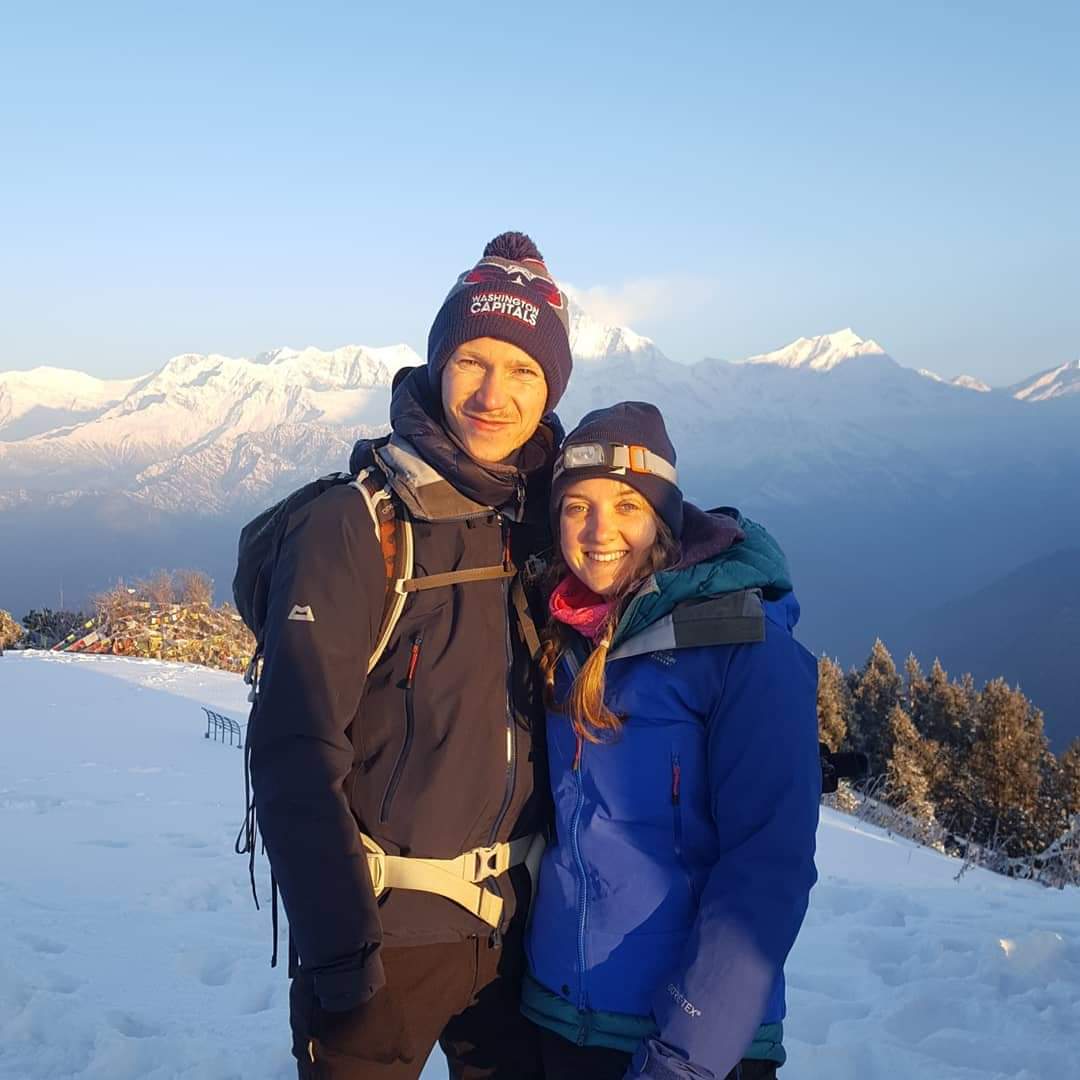
Trekked the Annapurna Circuit in the middle of winter – we hiked for 21 days at high altitude in the middle of Himalayan winter. I have honestly never felt cold like it, with temperatures reaching -20 at night. Naturally we were sleeping in wooden shacks with no heating or insulation. We would wake in the morning to our sleeping bags completely iced over! I actually got really sick on this trek with what was probably a chest infection and our group, including Henry, thought I wouldn’t be able to continue. Of course, I wasn’t going to give up that easily! Despite the weather I would definitely recommend hiking in winter in Nepal as the trails were so quiet and peaceful. The Annapurna range is truly spectacular covered in snow.

Sunrise at the top of Poon Hill. We started trekking at 4am that morning and it was the worst day of my chest infection. The 2 hour steep climb in knee-high snow and -20 degrees was one of the hardest bits of walking I’ve ever done but was it was so worth it to see the sun rise over the incredible Annapurna range.

Carry half my body weight in luggage – My rucksacks were so big! Because we were travelling between ultra cold and ultra hot climates we had to carry so much kit with us. This photo was taken in Jakarta, walking the 10km from our hostel to the train station to catch a train to Yogyakarta – in 38 degree heat! The weight was super heavy but we got used to it after a while. The trick is to avoid sudden stopping and starting and this leads to imbalance and a potential topple-over!

Walking to the train station with all of our luggage alongside the dual carriageway in Jakarta. After Nepal I thought the heat would help my joints but it didn’t!

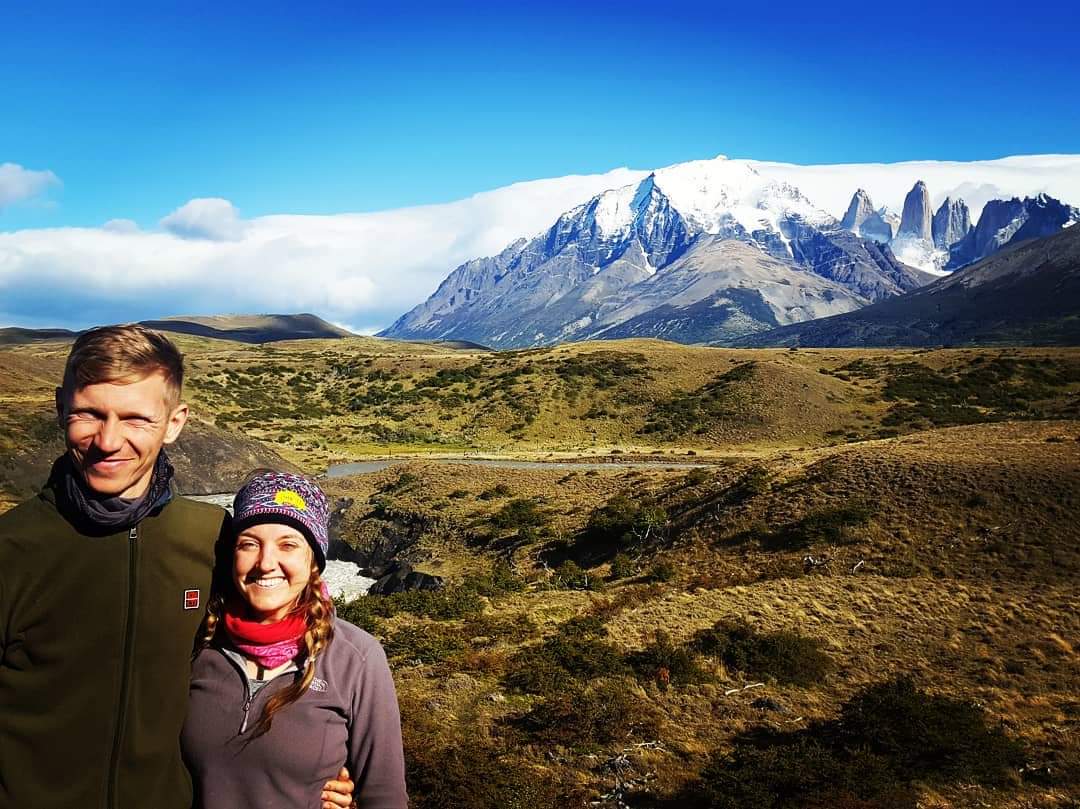
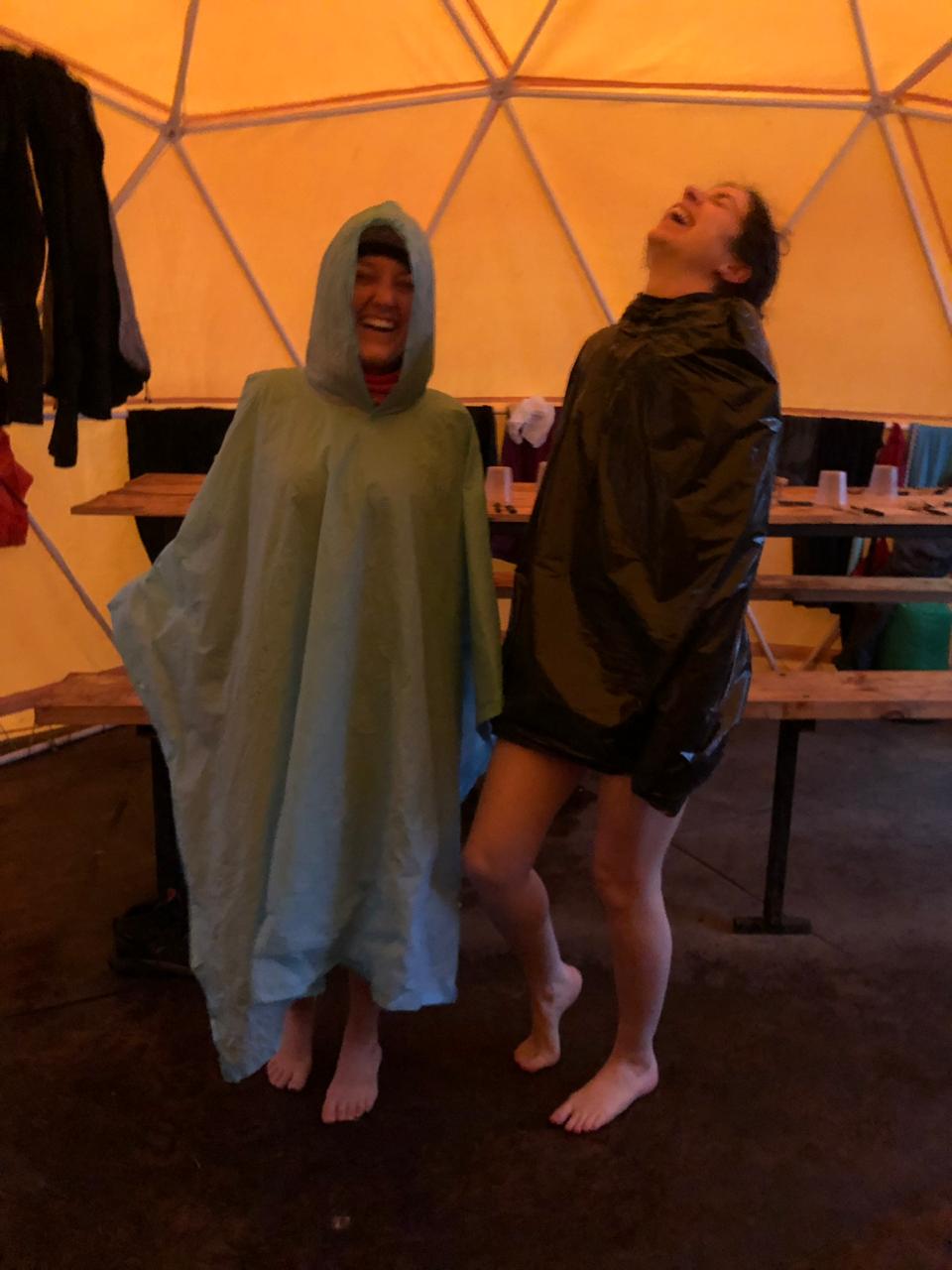
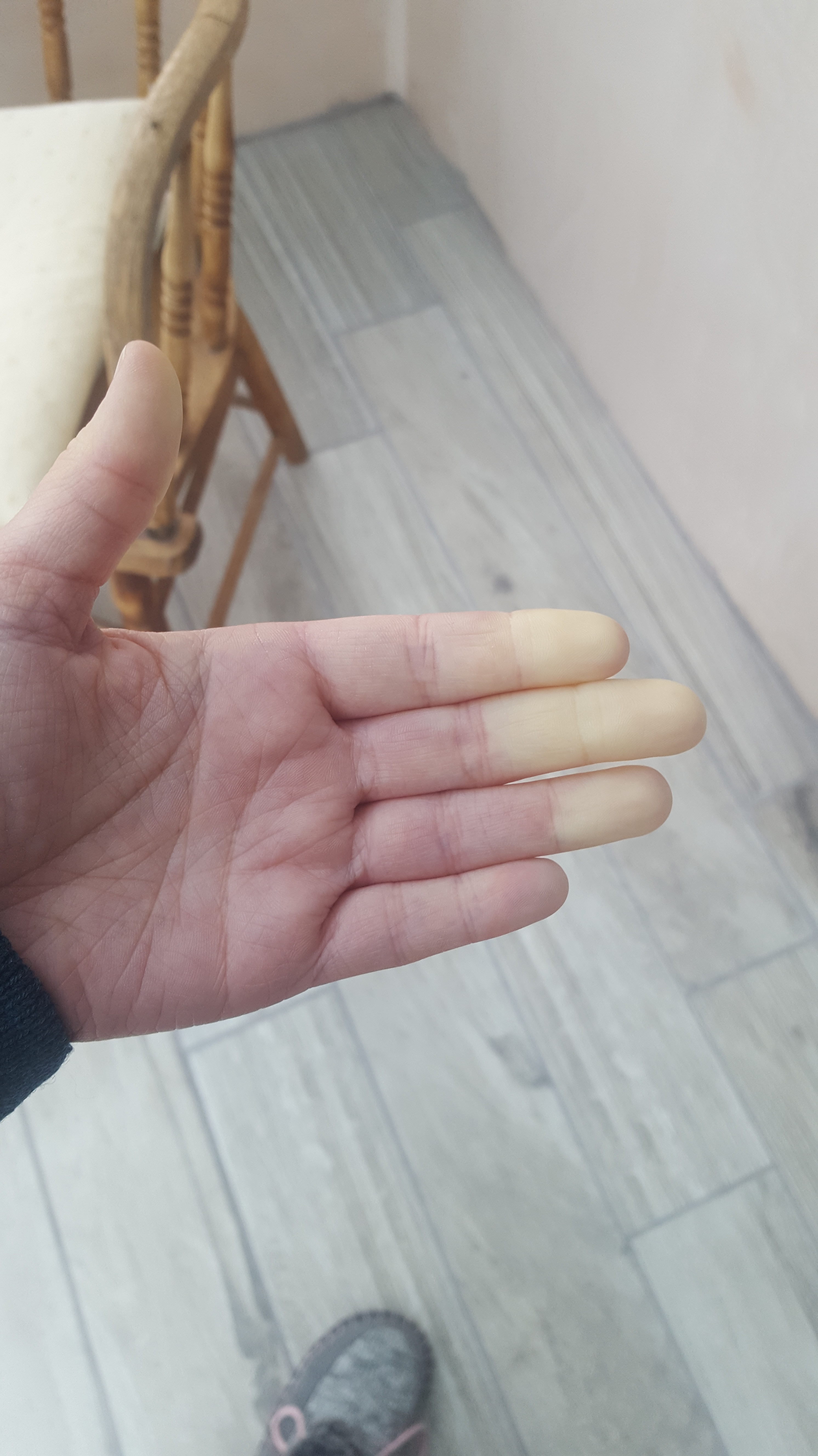
Hiked the ‘W trek’ in Patagonia’s extreme weather – even though the W trek isn’t one of the longest or difficult trails we’ve done, the weather conditions made it a real challenge, especially if you have Lupus! We had four days of torrential rain, gale force winds and bitter-cold nights. My joint pain was starting to get really bad at this point and I was really struggling with lower back pain, my knees and Raynaud’s. I basically didn’t have full use of my hands for the whole trek. We were camping throughout, which I love, but took its toll on my joints as it was hard to get properly dry or comfortable at night. We had lots of tent-flooding! Hikers eventually had to bail on the last day as the national trails were closed for safety reasons. It was on this trek though that we had one of our best evenings of our entire trip. After a full day’s hiking in unrelenting torrential rain (we were truly soaked to the bone) we arrived at our camp. Most of our group decided to upgrade to the hostel but as the owners were hiking the price (no pun intended) up to USD$90+ for a bunkbed for a night, a small group of us decided to stick to our free tents. More torrential rain, a burst river and a collapsed bridge cut us off from everyone for the rest of the night so we were stranded with enough food and wine for 20 people. We had a brilliant night! Needless to say most of the tents were flooded but we salvaged a couple and squeezed three or four of us into each one.

We used makeshift ‘pee-ponchos’ whenever we needed to venture out into the torrential rain to protect our only remaining semi-dry clothes.

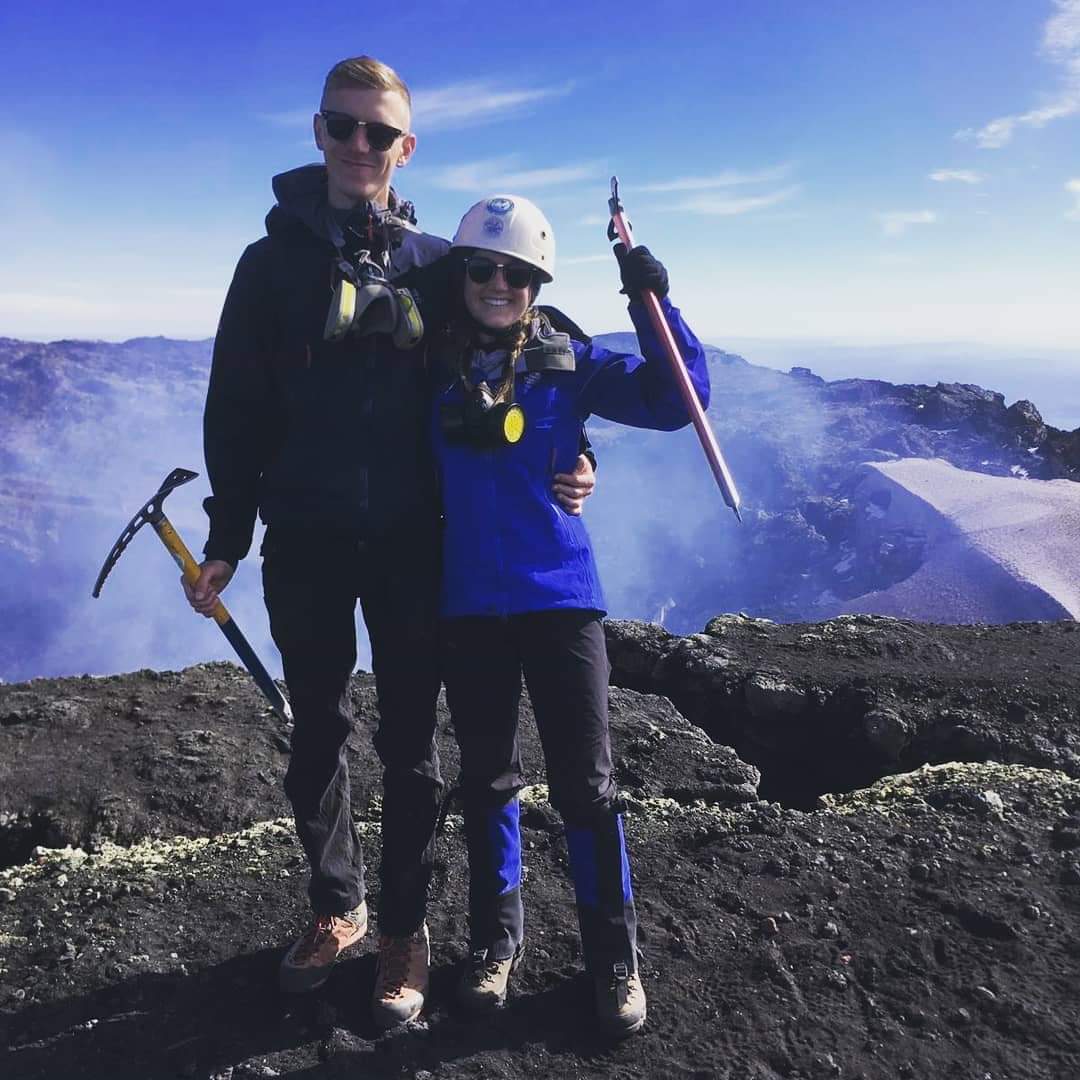
Climbed an active volcano – Three days before being repatriated from Chile, I climbed one of South America’s most active volcanoes. Upon reflection there were signs that there was something really wrong. I struggled up in excruciating back and joint pain, I couldn’t muster up my usual energy to push onwards, and I actually fainted at one point. Reaching the top felt like a massive achievement, and getting back down again even more so. I’m amazed that I managed it, and I’m so proud of myself for doing it. I didn’t understand at the time why it was such a struggle for me, and the whole time at the hospital all I could think about was the fact that only days before I’d climbed that volcano. Little did we know that by that point my Lupus was already advanced and systemic, meaning it was affecting any part of my body including my organs.

At the crater of Villaricca Volcano, Chile. Little did we know I had advanced, systemic Lupus.

A huge thank you to the incredible friends I made along the way that supported me when times were tough. I wouldn’t have been able to achieve these things without you, and doing so has meant more to me than you will ever know xxx

Featured

The Lupus Clinic

If you didn’t take a selfie in clinic, were you even there?

So you’ve heard me mention the Lupus clinic. My mum and I have been spending a lot of time there recently. For anyone that’s interested, here’s a snapshot of what happens there and why it’s an important part of Lupus treatment.

What is clinic?

The Lupus clinic is held two mornings a week at Addenbrooke’s and provides an opportunity for all Lupus patients under the care of the hospital to meet with their consultants. The frequency with which you need to attend clinic normally depends on the severity and status of your disease. This means if you have severe active disease you will probably attend more frequently than a patient who is in remission. A patient in remission may only need to attend clinic once or twice a year for a check up – that’s the goal! Initially I attended clinic weekly, now trying fortnightly, and this will continue to reduce as my level of disease becomes more controlled.

However, from what I can gather from my visits so far, anyone who wants or needs to be seen is seen. This is really important and was a big concern for me leaving hospital. I was so worried about having to wait months on end for a clinic appointment while suffering with my symptoms, but I was reassured by the consultants that this is simply not allowed to happen. At the Lupus clinic there is an ‘override’ button on appointment availability to just get people through the door.

Now I really like how the clinic works because it’s so flexible and laid back, but it might not be for everyone. Because everything is double-booked you don’t really have an appointment time and you’re not booked in to see a particular consultant. You just turn up, see which consultants are in that day and decide which one you’d like to see, decide which specialist nurse you’d like to attend your appointment, and then just wait for them all to be free at the same. Sometimes it can be quite quick and other times it can take an hour or so, but it’s not like I’m in a rush for anything…

So what happens?

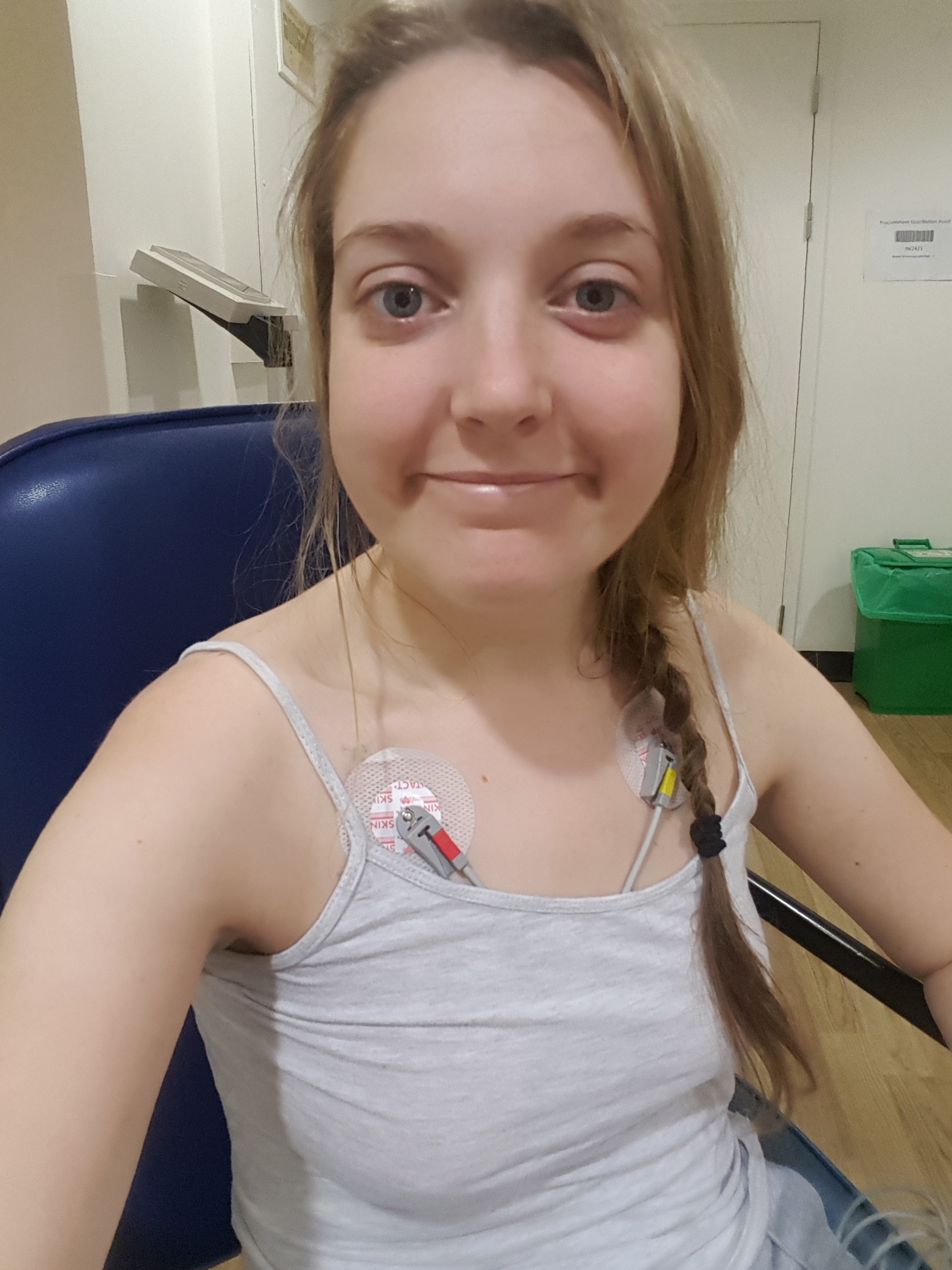
All in all, I’m in clinic for about 3 hours. First of all I have to get there which is a challenge in itself. I’m still not great on my feet and walking long distances makes me very wobbly and tired. This week Mum dropped me off at the outpatients front door but I did manage to walk up the stairs to clinic so swings and roundabouts. At least I can actually walk and am not in the wheelchair anymore! I check in, am weighed, have my heart rate and blood pressure taken, and hand in a urine sample. Then I go through to the clinic waiting area to take a seat. Usually one of the specialist nurses spots me and comes over for a chat to see how I’ve been that week and which consultant I’d like to see. Then we just hang out until I’m called in. It’s a really friendly atmosphere and everyone is in the same boat so it’s quite chilled. It’s certainly very different to the haematology clinic and chest clinic I have attended before at Guy’s where the patient doesn’t have a say in who they see and there’s very little flexibility over timing.

The consultation itself is also attended by a specialist Lupus nurse and lasts as long as I need it to. Because my disease is still advanced and active, there’s a lot to go through but this should improve with time. We go through my blood results to review the antibodies, complement levels, inflammation levels, kidney function and liver function. I’ve probably forgotten others but those are the main ones.

I have my heart and lungs listened to and we also talk other symptoms and side effects, and make any adjustments to my medication. We usually also chat about the wedding because everyone wants to know how it’s going! Once the consultation is done I go for more blood tests. Then we’re done!

And what are they looking for?

Kidneys

High levels of anti-DNA antibodies and low levels of blood protein complement make it more likely that kidneys are affected by Lupus. Patients with these conditions are suceptible to kidney disease so have regular monitoring of blood pressure and testing for blood and protein in urine. This is also why my consultants are kidney specialists. Steroids and immunosuppressants such as Mycophenolate (both of which are part of my treatment) are generally very successful at managing kidney inflammation. Up to 60% of Lupus patients can develop kidney involvement, and if left untreated it can lead to kidney failure so it’s one of the more severe aspects of the disease. Between 10% and 20% of those with kidney involvement go on to develop kidney failure that requires dialysis or transplantation and generally this happens over a number of years. [Lupus Trust, more info: https://www.lupus.org.uk/kidneys-lupus-nephritis]

In the UK, there are around 5,000 people in need of a kidney transplant to transform their lives and sadly hundreds die waiting due to a shortage of organs. The most common organ to be donated by a living person is a kidney. A healthy person can lead a normal life with one functioning kidney so it is possible to donate one to someone in need of a transplant. For more information on organ donation registration check out Yes I Donate.

Lungs & Heart

Many Lupus patients can also develop inflammation in the lining of the heart and lungs. When I was admitted to hospital I had inflammation in the lining of my heart. This has now been controlled by the steroids and the results of my cardiac MRI showed no permanent damage to my heart. I do still have Costochondritis (aka Devil’s grip!) which is inflammation in the joints between your ribs so I still have a lot of chest pain; unfortunately this can take months to clear up. [Lupus Trust, more info: https://www.lupus.org.uk/lupus-and-the-lungs]

Antiphospholipid Syndrome

Also known as APS or ‘Sticky blood’ syndrome, this is where the immune system produces antiphospholipid antibodies which makes the blood more likely to clot. Between 30% and 50% of Lupus patients are positive for antiphospholipid antibodies. I tested positive when admitted to hospital but another blood test in 6 weeks time will confirm if I have APS. This also affects contraception as the combined pill can increase the risk of blood clots so women with APS should take progesterone only contraception. [NHS, more info: https://www.nhs.uk/conditions/antiphospholipid-syndrome/]

What is a Lupus Specialist Nurse?

Just what it says on the tin! These nurses specialise in looking after patients with a specific condition. I first encountered the specialist nurses when I was referred to haematological oncology. My Lymphoma specialist nurse was fantastic and the Lupus ones are equally brilliant. As they deal with Lupus patients on a daily basis, they are real experts in their field. You can contact them whenever you need to and they have loads of advice about managing symtoms and side effects – there’s nothing they haven’t seen. They’re really up-to-date on the research side of things, working closely with research trials, as well as new drugs and treatments. You chat to a specialist nurse at each appointment and they sit in on your consultation so are fully aware of your condition and treatment.

Unfortunately, not everyone in the UK has access to Lupus specialist nurses. A recent report by GSK found that access to specialist Lupus centres is varied across Europe and the USA. The problem with Lupus is that there are many manifestations and it’s multi-symptom, which means that a multi-disciplinary team is required for effective treatment. This includes rheumalotogists, nephrologists, and obstetricians as well as psychologists, physiotherapists and of course, lupus specialist nurses. The GSK report found that the structures needed to provide multi-disciplinary care are not always established across healthcare systems, meaning patients receive a ‘mish-mash’ of treatment from different teams, none of whom specialise in Lupus.

I am SO lucky to be treated at a hospital that is a Lupus UK Centre of Excellence. This means the consulting team consists of specialists in rheumatology, nephrology and dermatology. There is also at least one consultant that specialises in Lupus, with the others having a good working knowledge of the disease. Crucially, it also means access to the Lupus specialist nurses, of which there are three at Addenbrooke’s.

The vision: that everyone with Lupus has access to this level of care in the UK (and beyond!)

More information:

  • GSK, A Vision for Lupus: Calls to action to improve lupus care, April 2019, link
  • Organ donation NHS, link
  • Lupus Trust, link
  • Lupus UK Centres of Excellence, link

Featured

Lupus & hair loss: A call to arms!

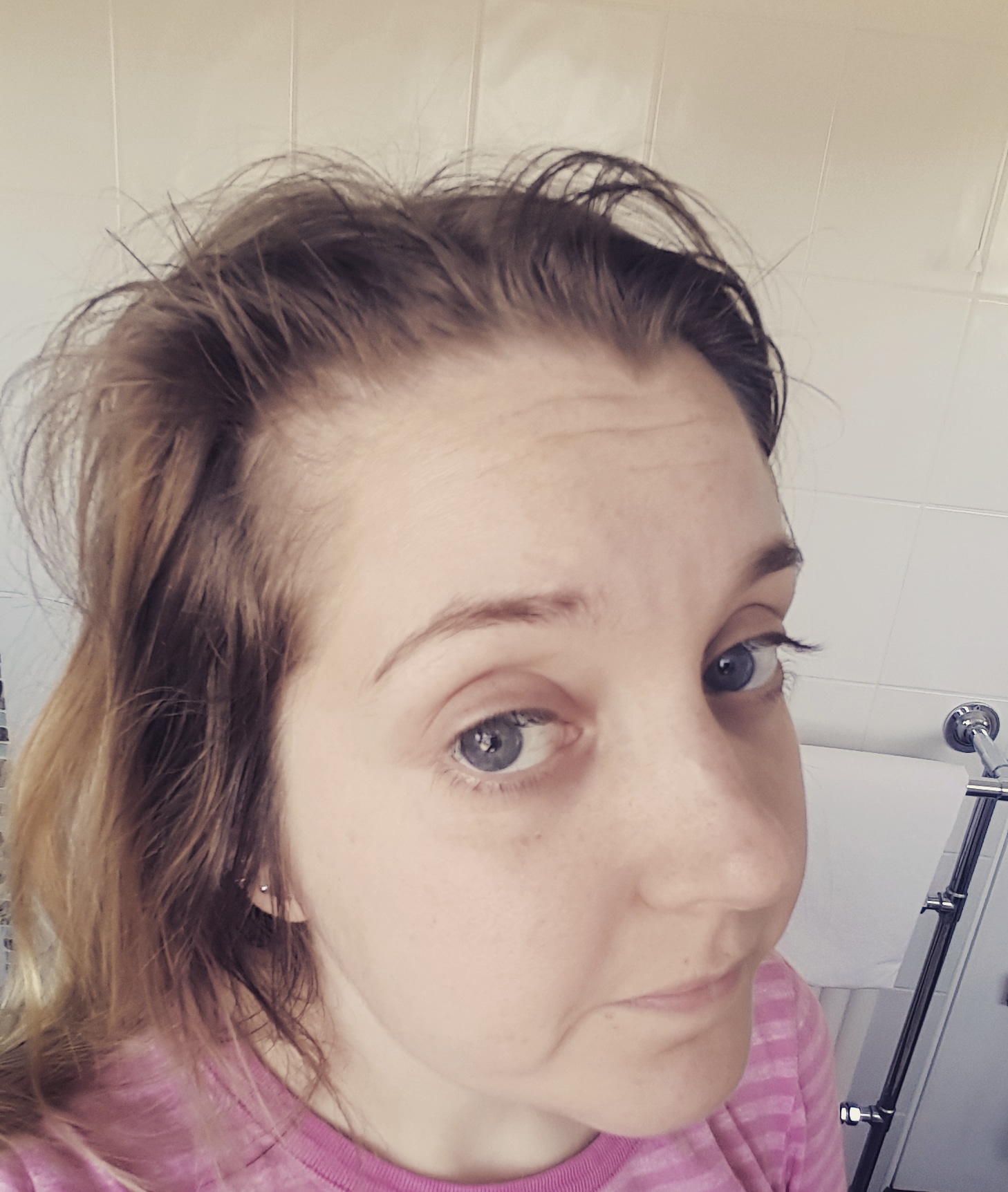
So, I’m losing my hair. That’s right, on top of everything else that’s going on in my body, my hair is falling out. Just what you want 3 months before your wedding! After a couple of weeks of denial, this is my call to arms. I’m calling all of you who have ever suffered thinning, brittle hair or hair loss and you general hair gurus for all your hints and tips to see if we can save my mane!

Why hair loss?

Apparently hair loss is quite common in Lupus. It can be a symptom of the Lupus itself or a side effect of treatment. Although in some cases scarring can cause lasting damage to the follicles, in most cases it grows back in time when the active disease is under control. Hair loss caused by medication (which I think mine mostly is) tends to be reversible. But we are on a 3 month deadline! Brittle hair is caused by steroids, and immunosuppressants cause thinning. Oh, and stressing about your hair loss also causes hair loss.

You’d think we Lupus sufferers have enough to deal with what with the organ failure, joint pain, muscle pain, inflammation, chronic fatigue, skin rashes, the list goes on… BUT I realised today that instead of feeling sorry for myself or distressed at this horrible Lupus side effect, maybe this is one I can seize control of and do something to prevent or slow down? So, this is my call to arms! Below are some questions I have – let me know if you have any hints or tips for me to try. I’ll let you know how I get on.

  1. When should I brush my hair? My hair is VERY brittle and dry but also extremely knotty. Should I brush it wet, dry, first thing in the morning, last thing at night, often or not at all? What kind of brush should I use?
  2. Should I cut it? I haven’t had it cut since January so it does need a trim. Should I just cut the split ends off or should I have a good length off? Ideally I want to preserve some length for the wedding but does cutting it encourage growth? How many times should I look to have it cut between now and the wedding? Could you, or a hairdresser you know, come to my house to cut it for me? I’m not able to leave the house really but it probably needs doing before my hair trial on 27 July!
  3. What about colour? I usually have half a head of highlights twice a year. I was planning on having it done in the summer and then a few weeks before the wedding in October but should I hold fire if it could damage my hair? Ideally I’d have it just before my hen do in August and then again before the wedding for that fresh look but I’m worried about damaging my hair further.
  4. What products should I use? At the moment I use Aussie shampoo and conditioner and wash it every 3 – 4 days. Should I use a deep moisture treatment and if so, which one? Are there any other products I could use? Or maybe I shouldn’t use products at all?
  5. How often should I wash it? Should I try to wash it more frequently or less often than every 3 – 4 days? Is there a certain way I should try to wash my hair? At the moment I am steering clear of blow drying and straightening, is this the right thing?
  6. How to cover thinning? I’m mostly thinning around my hair line – any tips for covering this? Is there something I can do with accessories or make up to try to help?
  7. A back up plan? What should my back up plan be for the hen do & wedding? Should I be thinking wig, hair extentions, crown volumiser? Where do I start?

Comment below or contact me on facebook or Instagram Livin’LaVidaLupus for any advice you have!

Featured

Steroids made me do it!

I’ve mentioned some of the fantastic steroid side effects I’ve experienced (bloating to the size of a whale etc.) but as well as physical side effects, steroids can also effect your mood and behaviour. Here are 10 of the crazy things steroids made me do! #steroidsmademedoit

  1. Go on an online spending rampage for Mint Velvet clothing in the John Lewis sale – yes that’s right, for days 1 and 2 of IV steroids I was out of it but on day 3 I took to online shopping. Now I have to stress this is MOST unlike me and just to remind you (and myself) I have been on a sabbatical from work for 6 months!! Online shopping for clothes is not a priority, especially when you’re also saving for a wedding. I then made Henry drive to Waitrose the following day – not the nearest Waitrose because in my steroid confusion I ordered them to the wrong town – to collect them. I did say I would send them back but looking at the clothes now I’m home they’re so lovely and I deserve a treat right?
  2. Tell my mum I could only eat tomatoes if she removed the skin and the seeds – I feel very bad about this one because she actually did it religiously. And they were delicious. And I don’t want to tell her she can stop because I’ve come to realise I do actually prefer my tomatoes like this.
  3. Crave Twiglets as though there’s a world shortage – I hadn’t eaten Twiglets since 1998 but a vision came to me in the night and now it won’t leave. Henry’s parents brought me a huge multipack and I had a little packet every day and it was bliss. The day I realised I hadn’t any left I had a major meltdown and had a cry in my hospital bed. I’m trying to wean myself off them now.
  4. Cry hysterically – about literally anything. This has subsided a bit now, although I do still get very emotional about the smallest thing. In the early days it was a gutteral howl, usually about something related to bloating or tomatoes. Now it’s more of a gentle sob so I’m heading in the right direction.
  5. Have hot flushes – These were the worst with the IV steroids as it felt like a rush of heat through my body as soon as I was connected to the drip but I still get them a bit on the oral steroids. They lasted for 6 – 8 hours at first but now it’s just 30 minutes or so after I take the tablets. I would turn bright red which would also flare my rash, and sweat profusely. I felt like I even sweated from my hair, which I didn’t know was possible. Because I was connected to a heart monitor, drip and was so sick I was barely conscious, I couldn’t wash so you can imagine how icky I felt. The only thing that eased the discomfort was to be permanently dabbed with a cold, damp flannel. My poor family.
  6. Rage like the Hulk – I’m not normally an angry person, am I? Well on steroids…. I’ll refer you back to point 2 vis-a-vis tomatoes. Seriously though, this one is horrible because the LAST thing I want to do is snap at the people who are looking after me so splendidly. But for some unknown reason I just flip inside about the stupidest thing and have to hold back this wave of frustration and rage. Like yesterday, I told my mum she used the wrong type of potatoes in the curry. But it was the most delicious pea & potato curry and I had it for lunch again today and it was so yummy and the potatoes were completely perfect for the curry. I feel really guilty about that. Sorry mum.
  7. Listen to the Adrian Mole ‘Book at Bedtime’ omnibus every night – as you might have gathered, sleeping on steroids is an issue. They are a stimulant so keep your brain active all night. The only thing that seems to get me to drift off for a few hours is the audio of Adrian Mole ‘The Prostate Years’. Weird I know.
  8. Completely lose my memory – I forget what I’m talking about mid-sentence; I forget what I’ve spent 15 minutes struggling up the stairs for; I forget my date of birth when they ask me at the hospital; I forget what disease I’ve got; I forget where I live; I forget my name; I forget how to spell basic words; I forget what I’ve eaten; and god forbid someone asks me what medication I’m taking and whether I’ve taken them today.
  9. Fantasize about food every second of every day – The steroid hunger is real. Although I can’t manage huge amounts of food I feel peckish all the time. The worst bit is the constant thinking about food, rather than necessarily wanting or being able to eat it. As soon as I see food or drink on TV I am salivating and then think about that food the rest of the day. Mostly it’s fresh fruit and veggies so at least I’m not craving bad foods (don’t mention the Twiglets!) Yesterday it was Thai food. And I don’t even like Thai food.
  10. Resemble a chipmunk – it’s true, my cheeks are soo chubby! Everyone that visits wants to squeeze them. Although I do have quite a round face, I’ve not had chubby cheeks since primary school. I know it will go down eventually so I’m not worrying about it too much. And besides, it does makes my neck look thinner so every cloud.
Featured

How Lupus is treated

As I’m quickly learning, nothing with Lupus is ever straightforward. I’m not yet completely familiar with all the different Lupus treatment options but I can explain my treatment plan and what the next few months look like for me.

Initial Treatment

The first thing the doctors wanted to do when I was admitted was control the inflammation in my body that was attacking my joints, muscles and organs. This is done using steroids, combined with strong pain relief such as morphine. Because my inflammation levels were so high, I needed a 500ml IV hit for three days. As anyone who has ever had to take steroids will know, they are HORRIBLE. I swelled up to the size of a whale; my arms, legs and tummy inflated like the michelin man. They make you very hot – perfect for summer days in hospital without aircon – and they make you very emotional. My body was so incredibly tired but I could not sleep a wink. I am not exaggerating when I say I only had 4 hours sleep over those first three nights, even with sleeping pills! I have the amazing nurses and my wonderful family to thank for pulling me through the steroid turmoil.

Gradually my steroid dose is reducing. Intially to 40ml orally which is still considered a very high dose to be on, and now down to 30ml a day. I will probably be on steroids for the next three to six months so have a few months of side effects ahead of me. The most common of which is the steroid hunger, giving you an insatiable appetite, potentially leading to weight gain. Another side effect? The ‘moon face’. All things you want in the lead up to your wedding…

Joking aside, it’s a worry for me as the wedding gets closer. I am terrified of losing my hair or developing the typical Lupus skin rashes across my face. I am scared I won’t fit in my dress and that my face will look puffy and pale. The doctors have promised me they will do their very best to avoid this, and October gives us all something to aim for. As my friends and family are slimming down and looking amazing, I have to concentrate on being well, being able to walk, and getting down that aisle! But really I’m a lucky bride in that months before the wedding I’ve had the stark reminder that the MOST important thing is that I get to marry my absolute hero and rock. It’s one day out of a whole lifetime together. The rest is just vanity. I have to accept that steroids are part of the life saving treatment for severe active Lupus.

High doses of steroids have horrible side effects

Treating the disease

While steroids are great at treating inflammation, they don’t actually treat the Lupus. Before treatment can start, the damage to organs has to be assessed and stabilised. As Lupus is linked to hormonal activity in your body, organs such as the uterus and ovaries should also be given the all clear before treatment starts. Because I had lumps in my breast tissue, I also had to visit the breast clinic before given the go ahead.

Before I could start treatment I had to have a third ultrasound on my boobs to double confirm the lumps were lymphnodes rather than something more nasty.

The most common treatments for Lupus seem to have been discovered by accident rather than developed specifically to treat the disease (but more about that later!). Here are some of the treatments I am on.

Anti Malarials

This is generally one of the first lines of treatment for someone who has been diagnosed with Lupus. It is used for skin and joint involvement, muscle inflammation, fever, fatigue, pleurisy, to reduce the development of kidney disease and chronic damage, and for its steroid-sparing properties. It is one of the few licensed drugs for Lupus and there is good evidence for its efficacy and safety. This drug is actually an anti-malarial drug but is great for treating Lupus. I was put on this a few days after my diagnosis and am having my dose gradually increased as my body gets used to it. It can cause damage to the retinas though so I have to make sure I have regular eye tests. Other side effects are that they really affect your stomach so I also have to take a gastro-protection drug called Lansoprazole. My stomach hasn’t been too bad so far but the hydroxychloroquine makes me very naseuous, sick and wobbly on my feet. They also taste vile!

Immunosuppressants

For severe cases of Lupus, immunosuppressant treatment is required. For me there were two options; the traditional immunosuppressant called Cyclophosphamide, which is given by IV infusion or a newer drug called Mycophenolate Mofetil (MMF) which is also used to prevent rejection in organ transplants. Cyclophosphamide can lead to fertility problems so this really wasn’t a route I wanted to go down. Instead, we decided to try MMF. The only problem with MMF is that it can lead to severe birth defects and miscarriage so I have to be super careful not to get pregnant while it’s in my system. Clearly not something on my mind right now, but Henry and I have always hoped to have a family together. Taking this drug will make those plans slightly more complicated in the future, but not impossible. I’ll do a proper post on Lupus and fertility down the line but for now, it’s not just getting to grips with Lupus that’s been hard, it’s also having to make key decisions about my fertility and future with steroid induced brain fog from my hospital bed!

As I start this drug I will be closely monitored in clinic a few times a week to make sure my liver isn’t affected and to see if my antibodies start to come down. All being well, gradually my dose will be increased and my steroids can start to be reduced. In reality it can take up to 12 weeks for it to properly enter your system and start treating the Lupus. That’s why I have to stay on steroids for so long.

My morning routine – I currently take 15 tablets a day and counting…

Pain

Pain has been a part of my life for months now, but for the first time in a long time I can say it is under control. The steroids have had a transformative effect on my joint pain, and the swelling has really come down. I can actually fit my engagement ring on now! I still get the odd twinge, especially in my hips and knees. I also get a lot of chest pain because the joints in my ribs are inflammed. I’m not allowed to take ibuprofen but I find a couple of paracetamol in the morning and evening takes the edge off.

Life with Lupus is going to involve a lot of learning how to manage chronic pain so I know there’s a long road ahead. But for now, I’m enjoying being virtually pain free and am saying a big thank you to the doctors and medication for making that change happen. Maybe steroids are my new best friend after all?!

Featured

So what is Lupus?

Lupus, or Systemic lupus erythematosus (SLE), is an incurable auto-immune disease, probably genetic in origin and mainly suffered by women. It can attack any part of the body, including vital organs, and that’s the danger.

There are many signs and symptoms, and no two Lupus sufferers are the same, often making diagnosis a hard and lengthy process. Some GPs are unfamiliar with Lupus, and the range of symptoms can mean patients are passed from hospital department to department before their disease is picked up. In the meantime, a number of major organs can be damaged in an irreversible way.

The main ‘classic’ symptoms of Lupus are joint and muscle pain, and an extreme tiredness that won’t go away no matter how much you rest. Rashes, mouth ulcers, anaemia, hair loss, headaches and feverishness are also common symptoms as Lupus advances. Importantly, there is no ‘one-size-fits-all’ Lupus diagnosis, and there isn’t one simple test for the disease, so symptoms vary considerably from patient to patient.

My Lupus symptoms

According to the charity Lupus UK, it takes an average of 6.4 years for patients to receive a Lupus diagnosis. I am considered lucky that I was living with symptoms for about 18 months before being diagnosed. This has to change. I knew there was something going wrong in my body and it can be incredibly frustrating when you feel you’re not listened to by your GP or doctors. The truth is, in my diagnosis, there were a number of opportunities for my Lupus to be picked up before it spread to my organs. It is much, much easier to treat Lupus if picked up early to prevent irreversible damage to the body.

In February 2018, completely out of the blue and without suffering any symptoms for over ten years, I had an asthma attack. I was taken to hospital and, after treatment, was referred to the chest clinic at Guy’s hospital. I had regular appointments to keep my asthma under review but no one could answer the burning question – why did this happen?

Over the following months I took really good care of myself, making sure to eat healthily, exercise well and rest lots. But I kept finding myself getting more and more tired and suffering agonising headaches. I put it down to working hard and winter blues. Meanwhile I kept going to the asthma clinic and having regular blood tests which found that although my asthma was under control, my white blood cell count was always low. I was told I was probably getting over a virus, or maybe had low iron because I’m vegan.

By September 2018 the extreme tiredness was too much to handle and I knew something must be wrong. I also found a small lump in my armpit, and kept getting mouth ulcers, so I went to my GP. He couldn’t feel the lump, said I was probably (still) getting over a virus and asked if I thought I had health anxiety. I felt like an idiot.

In November 2018 I was seen in the asthma clinic again and discovered my white blood cell count was dropping further so I was referred to haematology. I had a month of weekly blood tests and told I have fluctuating white blood cells, to be careful of infection and sent on my way.

In January 2019, as Henry and I left for our trip, I started to get pain in my fingers. Usually first thing in the morning and last thing at night, the knuckles across my fingers would swell and go red. I put it down to the cold weather, especially in Nepal, but in the Indonesian heat they continued to worsen.

Red, swollen and painful joints are a common symptom of Lupus

By the end of March the pain had spread to my wrists and feet. I also found a lump in the breast tissue under my armpit, which is what prompted me to visit the hospital in Chile. It never crossed my mind that the joint pain was connected to the lump. Still extremely tired, I put it down to the travelling we were doing.

By the end of April, the joint pain had spread to every joint in my body, as well as my muscles. Walking and mobility was difficult. I also started getting Raynaud’s phenonmenon, where your fingers turn white, blue and then bright red. This would happen three times a day.

The results of my ultrasound scans showed I had extremely inflammed lymphnodes, another main symptom of Lupus, and I started fainting and being sick most days. Swollen, inflammed and eventually unable to move even a finger, I was rushed to hospital.

Raynaud’s phenomenon is a circulatory condition where your fingers turn a shocking white, blue then bright red

How is Lupus diagnosed?

There is no one test that can be used to diagnose Lupus and there are many manifestations of the multi-symptom disease. Instead, diagnosis is made by investigating

• Skin
• Blood
• Joints
• Heart
• Kidneys
• Lungs
• Swollen glands
• Nervous system
• Weight changes

There are, however, blood tests that can be done to detect the presence of an auto-immune disease, which can be strongly suggestive of Lupus. These are tests for immunologic disorder such as anti-DNA antibodies, anti-SM antibodies and antiphospholid antibodies. Testing for anti-nuclear antibody (ANA Test) is also important in diagnosing Lupus. Although it’s not conclusive, most people with Lupus are ANA positive. Low C3 & C4 complement levels and raised inflammation markers are also suggestive that Lupus is present. If you experience any of the above symptoms, it’s worth asking your GP to #thinkLupus and test for some of these in your blood. It may not lead to a Lupus diagnosis but it will help to speed up a referral to the right specialists.

For more information on Lupus symptoms and diagnosis check out:

Lupus UK – www.lupusuk.org.uk

NHS website – https://www.nhs.uk/conditions/lupus/

Featured

My Lupus and Me…

Welcome to my new blog Livin’ La Vida Lupus! I’m Thea, 27 years old and was on the six-month trip of a lifetime with my fiancé Henry when life changed. It took two months of extensive tests, being rushed into hospital, and my organs to start failing to eventually be diagnosed with Lupus. I don’t know much about Lupus yet but join me as I get to grips with this Wolf disease and learn how it’s going to change my life. Let’s also raise awareness of the early signs and symptoms so it’s spotted earlier!

So what happened?

Henry and I were on the trip of a lifetime – a six-month pre-wedding honeymoon that had taken years of saving for. We started in Nepal and travelled through Indonesia and New Zealand before heading to South America. It was in Patagonia that I found a lump in the breast tissue under my armpit, with Santiago de Chile being the nearest place for a hospital. I contacted my insurance company to book an appointment at the breast clinic and when we arrived in the city we visited the hospital.

I was seen by a breast consultant who said that the lump felt like a small ‘breast mouse’, very common for women in their twenties and often go away by themselves. The odd thing was that I had one in the exact same place on the other side so she wanted to do an ultrasound scan. As Henry and I were due to fly to Bolivia the following day, the doctor would WhatsApp me the results of the scan in a couple of weeks time. She envisioned everything to be fine and that we should continue our travels of South America without any problems.

I had the scan that afternoon, and it was then that everything changed. The radiographer could see that the lump in my breast was a lymphnode rather than a breast mouse, and it wasn’t the only one. I had severely inflamed lymphnodes under both armpits and in my neck and groin. She told me it was serious and rushed me back to the international patients clinic to wait for a doctor. The doctor came down to the clinic and told me my scan didn’t look good. She said to cancel the flight to Bolivia and return to the hospital tomorrow.

The next day Henry and I, along with our amazing GP friend, returned to the hospital to discuss the scan results. The breast consultant had referred my case to a haematological oncologist who agreed that the scan showed a number of masses with increased blood supply to the area. We were told I have lymphoma.

All I could do was stare out of the window looking at the Santiago skyline as our world came crashing down. Henry made all the arrangements with the insurance company to travel home and within a couple of days we were back in the UK.

The road to true diagnosis never did run smooth…

Although Henry and I live in Hampshire, we decided to come back to rural Cambridge where both sets of parents live. I registered with the local GP and was seen by 9am on Monday morning. By lunch time I had already had a full set of blood tests and a chest x-ray. The GP made a fast-track cancer referral to Addenbrooke’s hospital, and although speedy, it still takes two weeks to be seen. I saw an oncologist, had further blood tests and was booked in for another scan and a biopsy. This took another three weeks. When I saw the oncologist again, another week later, I was given the very happy news that my lymphnodes were reactive, rather than cancer. This means they were reacting to something happening in my body, i.e. fighting something. The question, what?

In the meantime my joint pain had escalated to the point where some days I simply couldn’t walk, so the oncologist referred me to a rheumatologist. This would take another four weeks, and as events turned out I would never make it to that appointment.

Lupus

As well as the agonizing joint pain, I had started to feel increasingly unwell to the point where doing any normal activity was a struggle. Even getting across the room to the toilet would involve fainting and being sick.

One night the pain was so bad I could not sleep nor move at all. I had to be propped up surrounded with cushions and all my joints felt as though they were on fire. By the morning, I couldn’t even move a finger. My mum and Henry called the GP out, who immediately called an ambulance.

The paramedics were amazing and administered high doses of morphine to stretcher me to the ambulance. When we got to A&E we were seen pretty quickly by a kidney doctor who said there were concerns with my heart and kidney function. At 3am I was admitted to a ward and by 8am the next day I was surrounded by a team of doctors being told I had advanced active Lupus that had spread to my kidneys and heart.

Livin’ La Vida Lupus

So this is where the journey starts. After over a week in hospital to stabilise, having had my heart and kidneys under constant monitoring, I am back at my mum’s. I still feel awful but much, much better than I have for a while. It’s going to take a couple of months to start feeling better and it’s going to take time to learn about this condition and how to live life with it. Join me as I navigate the highs and lows of crazy Lupus life, and let’s see if we can raise awareness and understanding along the way.

Design a site like this with WordPress.com
Get started