Lupus & hair loss: A call to arms!

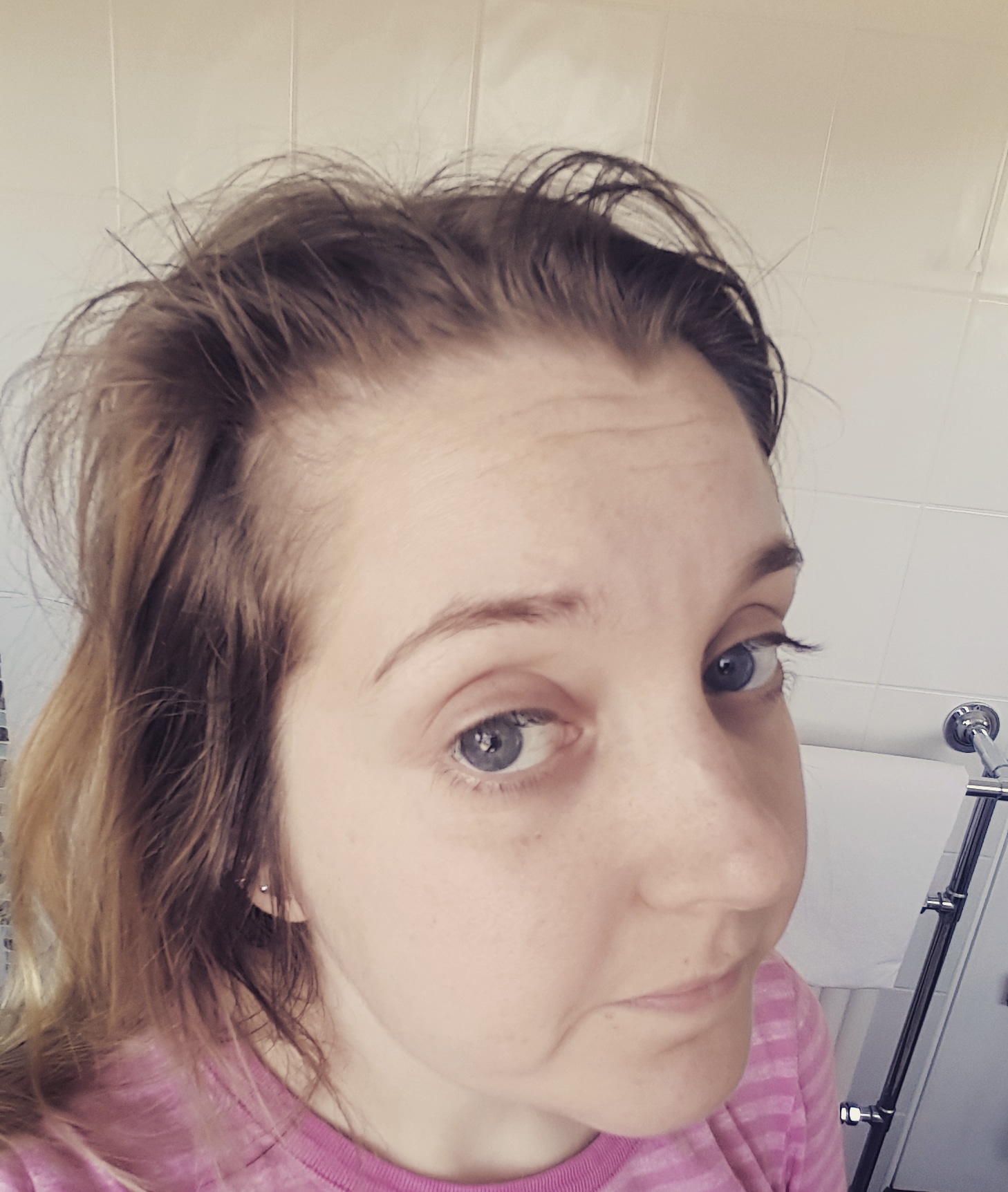
So, I’m losing my hair. That’s right, on top of everything else that’s going on in my body, my hair is falling out. Just what you want 3 months before your wedding! After a couple of weeks of denial, this is my call to arms. I’m calling all of you who have ever suffered thinning, brittle hair or hair loss and you general hair gurus for all your hints and tips to see if we can save my mane!

Why hair loss?

Apparently hair loss is quite common in Lupus. It can be a symptom of the Lupus itself or a side effect of treatment. Although in some cases scarring can cause lasting damage to the follicles, in most cases it grows back in time when the active disease is under control. Hair loss caused by medication (which I think mine mostly is) tends to be reversible. But we are on a 3 month deadline! Brittle hair is caused by steroids, and immunosuppressants cause thinning. Oh, and stressing about your hair loss also causes hair loss.

You’d think we Lupus sufferers have enough to deal with what with the organ failure, joint pain, muscle pain, inflammation, chronic fatigue, skin rashes, the list goes on… BUT I realised today that instead of feeling sorry for myself or distressed at this horrible Lupus side effect, maybe this is one I can seize control of and do something to prevent or slow down? So, this is my call to arms! Below are some questions I have – let me know if you have any hints or tips for me to try. I’ll let you know how I get on.

  1. When should I brush my hair? My hair is VERY brittle and dry but also extremely knotty. Should I brush it wet, dry, first thing in the morning, last thing at night, often or not at all? What kind of brush should I use?
  2. Should I cut it? I haven’t had it cut since January so it does need a trim. Should I just cut the split ends off or should I have a good length off? Ideally I want to preserve some length for the wedding but does cutting it encourage growth? How many times should I look to have it cut between now and the wedding? Could you, or a hairdresser you know, come to my house to cut it for me? I’m not able to leave the house really but it probably needs doing before my hair trial on 27 July!
  3. What about colour? I usually have half a head of highlights twice a year. I was planning on having it done in the summer and then a few weeks before the wedding in October but should I hold fire if it could damage my hair? Ideally I’d have it just before my hen do in August and then again before the wedding for that fresh look but I’m worried about damaging my hair further.
  4. What products should I use? At the moment I use Aussie shampoo and conditioner and wash it every 3 – 4 days. Should I use a deep moisture treatment and if so, which one? Are there any other products I could use? Or maybe I shouldn’t use products at all?
  5. How often should I wash it? Should I try to wash it more frequently or less often than every 3 – 4 days? Is there a certain way I should try to wash my hair? At the moment I am steering clear of blow drying and straightening, is this the right thing?
  6. How to cover thinning? I’m mostly thinning around my hair line – any tips for covering this? Is there something I can do with accessories or make up to try to help?
  7. A back up plan? What should my back up plan be for the hen do & wedding? Should I be thinking wig, hair extentions, crown volumiser? Where do I start?

Comment below or contact me on facebook or Instagram Livin’LaVidaLupus for any advice you have!
Steroids made me do it!

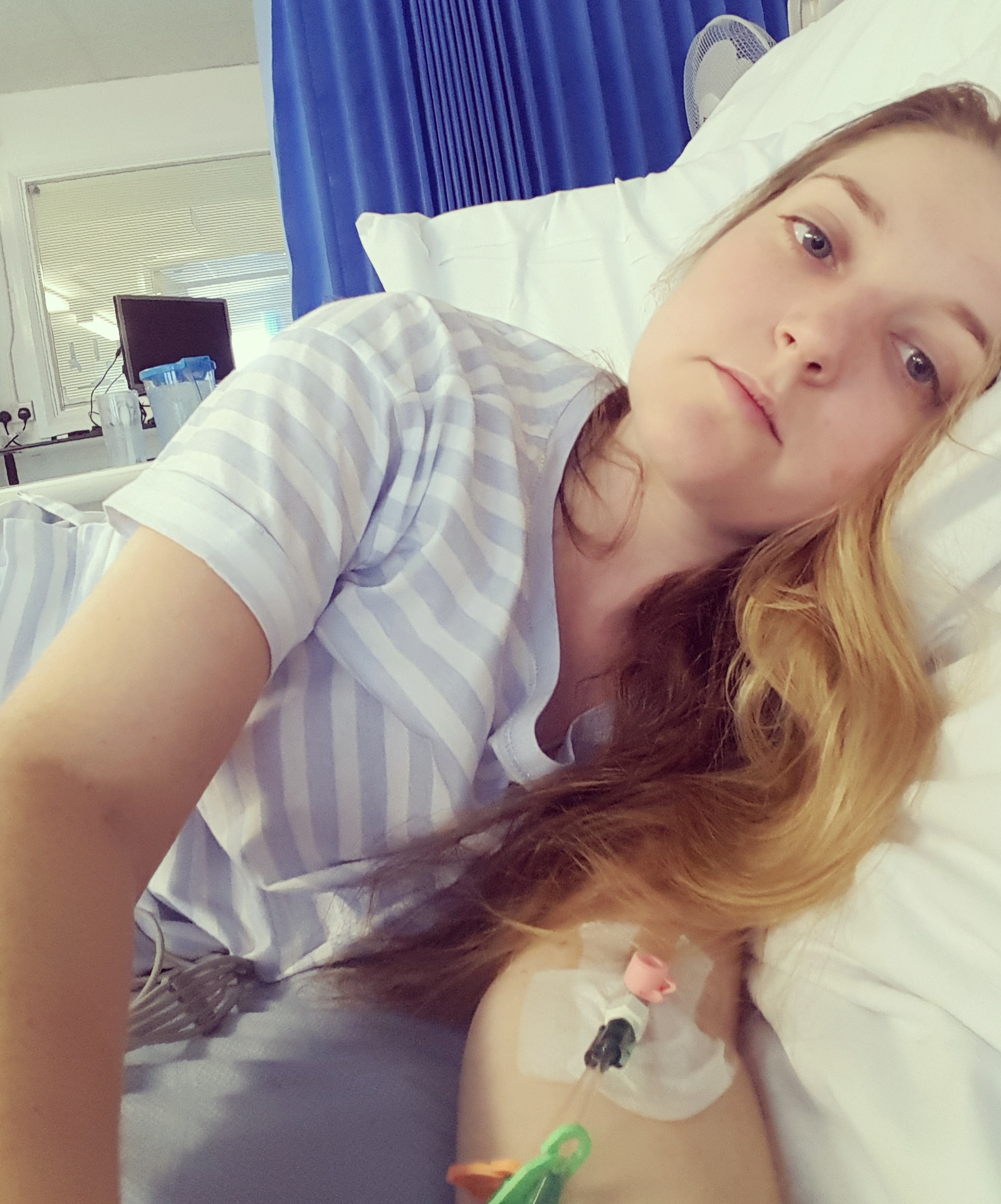
I’ve mentioned some of the fantastic steroid side effects I’ve experienced (bloating to the size of a whale etc.) but as well as physical side effects, steroids can also effect your mood and behaviour. Here are 10 of the crazy things steroids made me do! #steroidsmademedoit

  1. Go on an online spending rampage for Mint Velvet clothing in the John Lewis sale – yes that’s right, for days 1 and 2 of IV steroids I was out of it but on day 3 I took to online shopping. Now I have to stress this is MOST unlike me and just to remind you (and myself) I have been on a sabbatical from work for 6 months!! Online shopping for clothes is not a priority, especially when you’re also saving for a wedding. I then made Henry drive to Waitrose the following day – not the nearest Waitrose because in my steroid confusion I ordered them to the wrong town – to collect them. I did say I would send them back but looking at the clothes now I’m home they’re so lovely and I deserve a treat right?
  2. Tell my mum I could only eat tomatoes if she removed the skin and the seeds – I feel very bad about this one because she actually did it religiously. And they were delicious. And I don’t want to tell her she can stop because I’ve come to realise I do actually prefer my tomatoes like this.
  3. Crave Twiglets as though there’s a world shortage – I hadn’t eaten Twiglets since 1998 but a vision came to me in the night and now it won’t leave. Henry’s parents brought me a huge multipack and I had a little packet every day and it was bliss. The day I realised I hadn’t any left I had a major meltdown and had a cry in my hospital bed. I’m trying to wean myself off them now.
  4. Cry hysterically – about literally anything. This has subsided a bit now, although I do still get very emotional about the smallest thing. In the early days it was a gutteral howl, usually about something related to bloating or tomatoes. Now it’s more of a gentle sob so I’m heading in the right direction.
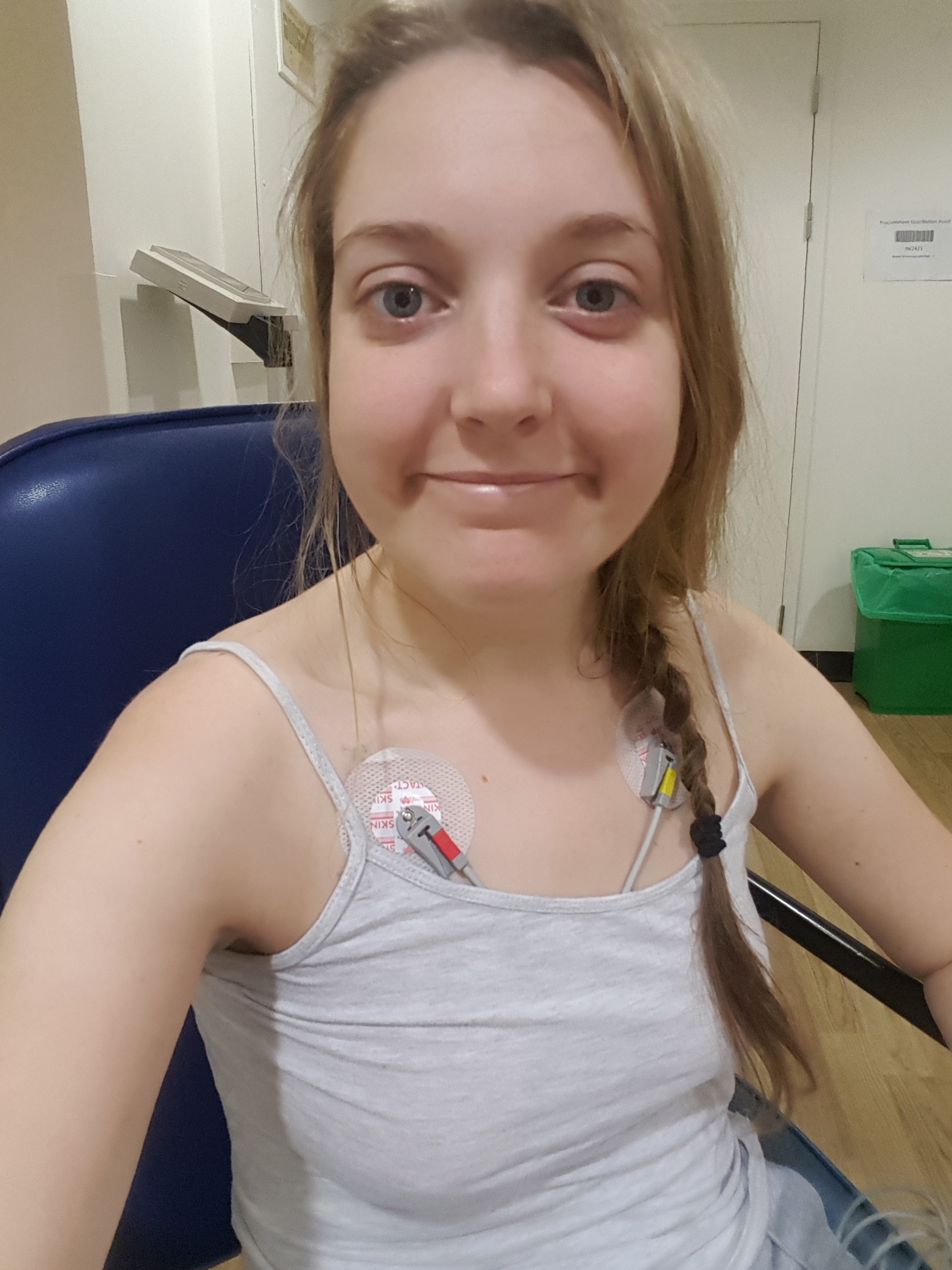
  5. Have hot flushes – These were the worst with the IV steroids as it felt like a rush of heat through my body as soon as I was connected to the drip but I still get them a bit on the oral steroids. They lasted for 6 – 8 hours at first but now it’s just 30 minutes or so after I take the tablets. I would turn bright red which would also flare my rash, and sweat profusely. I felt like I even sweated from my hair, which I didn’t know was possible. Because I was connected to a heart monitor, drip and was so sick I was barely conscious, I couldn’t wash so you can imagine how icky I felt. The only thing that eased the discomfort was to be permanently dabbed with a cold, damp flannel. My poor family.
  6. Rage like the Hulk – I’m not normally an angry person, am I? Well on steroids…. I’ll refer you back to point 2 vis-a-vis tomatoes. Seriously though, this one is horrible because the LAST thing I want to do is snap at the people who are looking after me so splendidly. But for some unknown reason I just flip inside about the stupidest thing and have to hold back this wave of frustration and rage. Like yesterday, I told my mum she used the wrong type of potatoes in the curry. But it was the most delicious pea & potato curry and I had it for lunch again today and it was so yummy and the potatoes were completely perfect for the curry. I feel really guilty about that. Sorry mum.
  7. Listen to the Adrian Mole ‘Book at Bedtime’ omnibus every night – as you might have gathered, sleeping on steroids is an issue. They are a stimulant so keep your brain active all night. The only thing that seems to get me to drift off for a few hours is the audio of Adrian Mole ‘The Prostate Years’. Weird I know.
  8. Completely lose my memory – I forget what I’m talking about mid-sentence; I forget what I’ve spent 15 minutes struggling up the stairs for; I forget my date of birth when they ask me at the hospital; I forget what disease I’ve got; I forget where I live; I forget my name; I forget how to spell basic words; I forget what I’ve eaten; and god forbid someone asks me what medication I’m taking and whether I’ve taken them today.
  9. Fantasize about food every second of every day – The steroid hunger is real. Although I can’t manage huge amounts of food I feel peckish all the time. The worst bit is the constant thinking about food, rather than necessarily wanting or being able to eat it. As soon as I see food or drink on TV I am salivating and then think about that food the rest of the day. Mostly it’s fresh fruit and veggies so at least I’m not craving bad foods (don’t mention the Twiglets!) Yesterday it was Thai food. And I don’t even like Thai food.
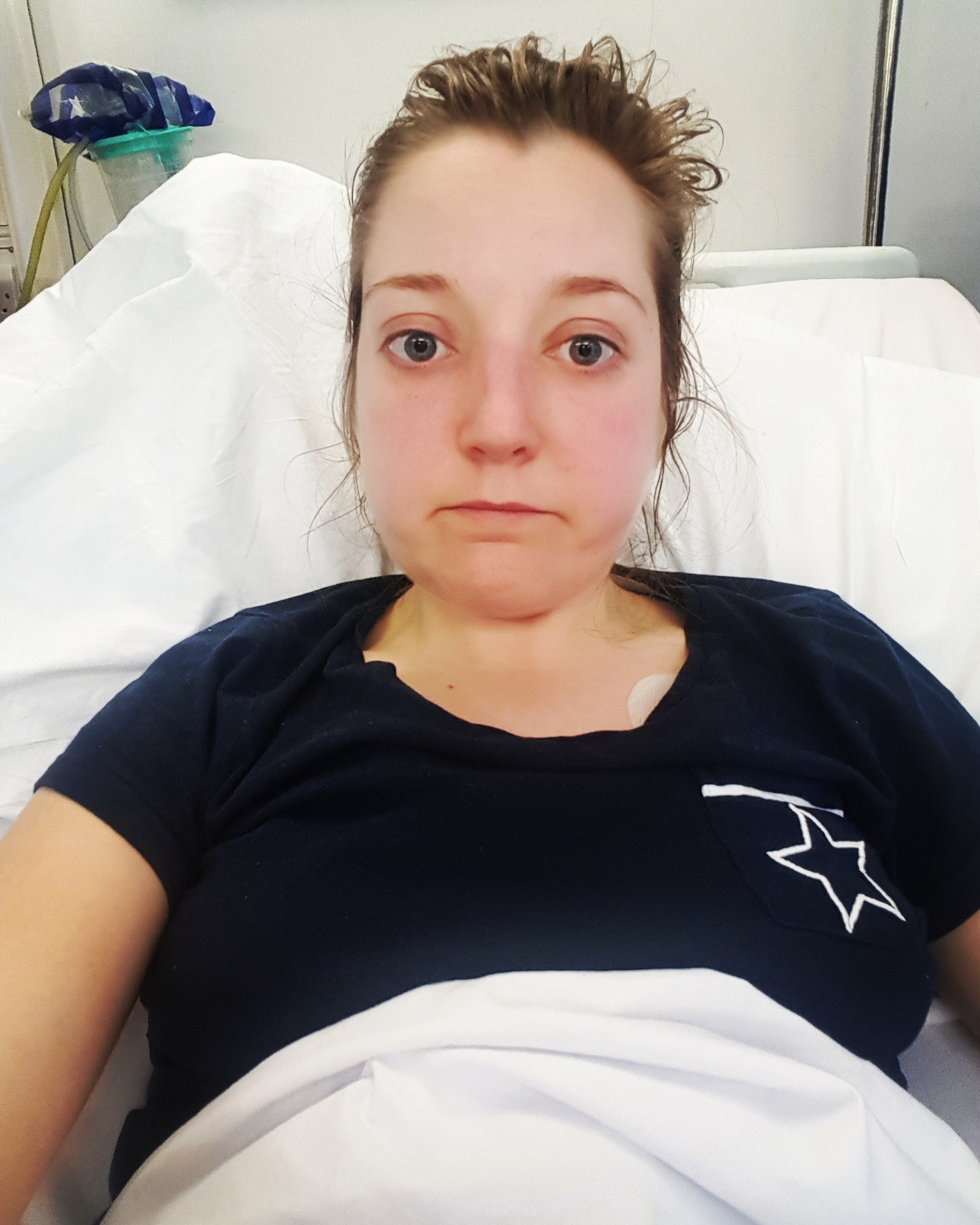
  10. Resemble a chipmunk – it’s true, my cheeks are soo chubby! Everyone that visits wants to squeeze them. Although I do have quite a round face, I’ve not had chubby cheeks since primary school. I know it will go down eventually so I’m not worrying about it too much. And besides, it does makes my neck look thinner so every cloud.

Life on a Cardiology Ward

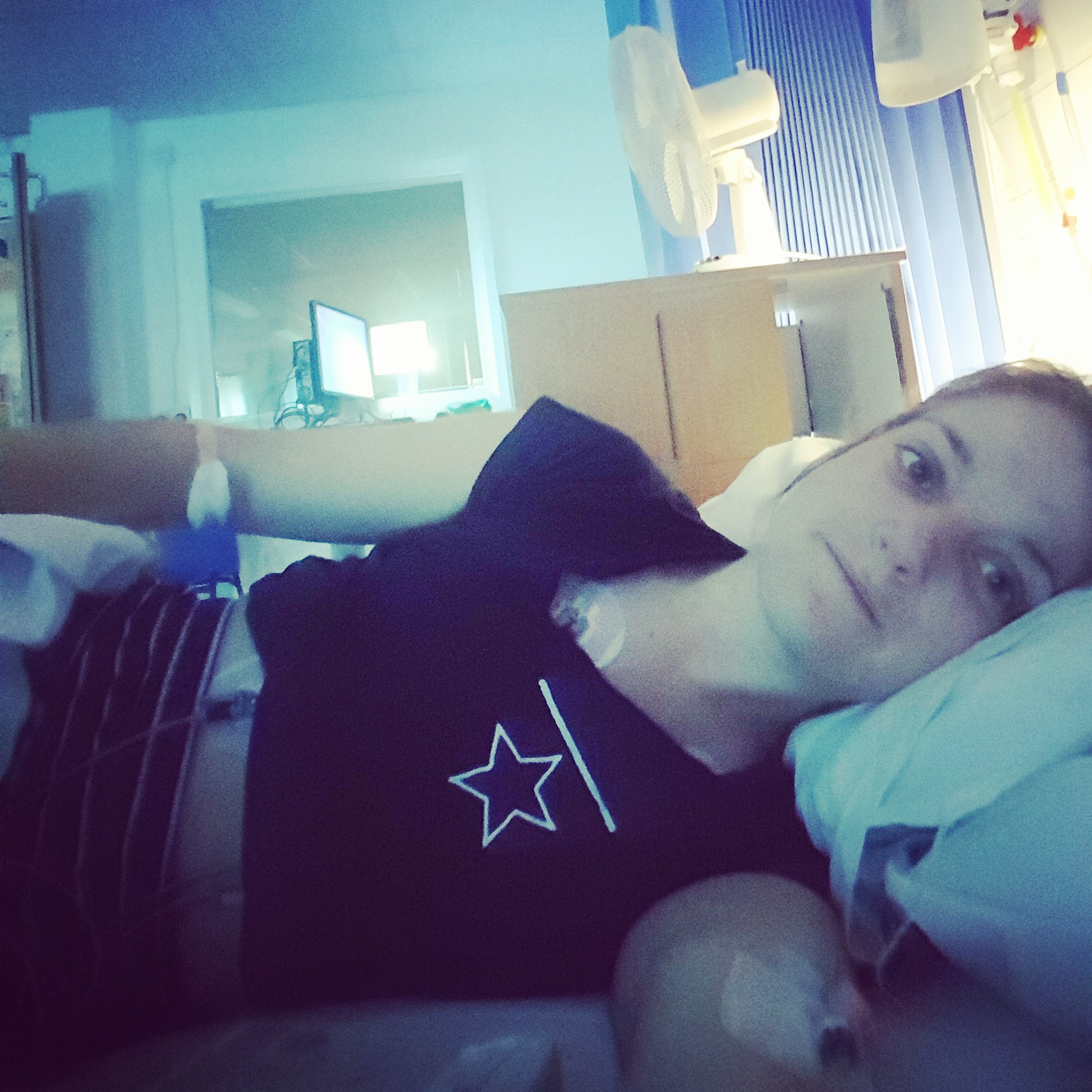
When I was first admitted to Addenbrooke’s I was placed on a neurology ward. It was a huge ward of 8 beds with another ward of the same size on the opposite side of the corridor. It was so busy and noisy, day and night, but luckily I only stayed there for the first night before being moved to the cardiology ward to have my heart monitored.

In comparison, ward K3 was a dream. I was in a much smaller bay of 4 beds and a bathroom. The ward itself was quieter and calmer. Admittedly the view wasn’t as good (a stainless steel pipe through one window and a brick wall through the other) but you can’t have everything. Plus it took a while for my neck pain to fade so I wasn’t fussed about creaking my neck to gaze longingly out the window.

The other ladies on my ward were lovely. All awaiting further investigations into heart issues, potentially awaiting surgery, and being treated in collaboration with the ‘New Papworth’ hospital that has recently moved to the Addenbrooke’s site. In their 70s and 80s they looked after me so well.

When I arrived on the ward I still couldn’t walk and I hadn’t regained full mobility in my arms, legs and back so I was in a pretty bad way. I had also just had the first hit of steroids so I probably looked quite rough and was acting a bit loopy. They were quite concerned by all accounts. My first night was not great at all and I didn’t get a second of sleep thanks to the steroids. By the morning my tummy had completely inflated, I kept passing out from low blood pressure, I was being constantly sick, and because my kidney function had dropped I had water retention all over my body. To top it off it was 30 degrees outside, we had no aircon and the steroids has caused what can only be described as an 8 hour hot flush. Waiting until 11am to see Henry and Mum felt like a lifetime and I spent the whole morning in a state of steroid-induced hysterical sobbing. My amazing nurse Frankie and the only one of us on the ward that could walk, Pamela, sat on my bed comforting me and dabbing my face with a cold flannel until they arrived.

Gradually things started to improve and we even started to have a bit of fun. Our ward was full of laughter and we were always the last to turn our lights off at night. Evenings mostly comprised of tea & biscuits and them offering marriage advice. (Apparently the trick is to NEVER go to sleep on an argument – which seemed doable because the chances of me ever sleeping again felt pretty slim at that point!) We got to know each other’s families and friends and we helped each other out. One lady, Iris, was moved to another ward in the middle of the night as she prepared to go home and her neice still popped in to see us. Mum bought the newspapers and Henry was roped in to help with charging phones and changing ring tones.

Daily life from a hospital bed is so incredibly boring, especially when walking is a struggle for someone who usually can’t sit still. I was so lucky that I had visitors every day, as well as the dream team who were by my side for as long as they were allowed. A big shout out to everyone who came to sit with me, even when I was terrible company and kept falling asleep mid sentence! Some people don’t have anyone at all, and for them hospital is even harder.

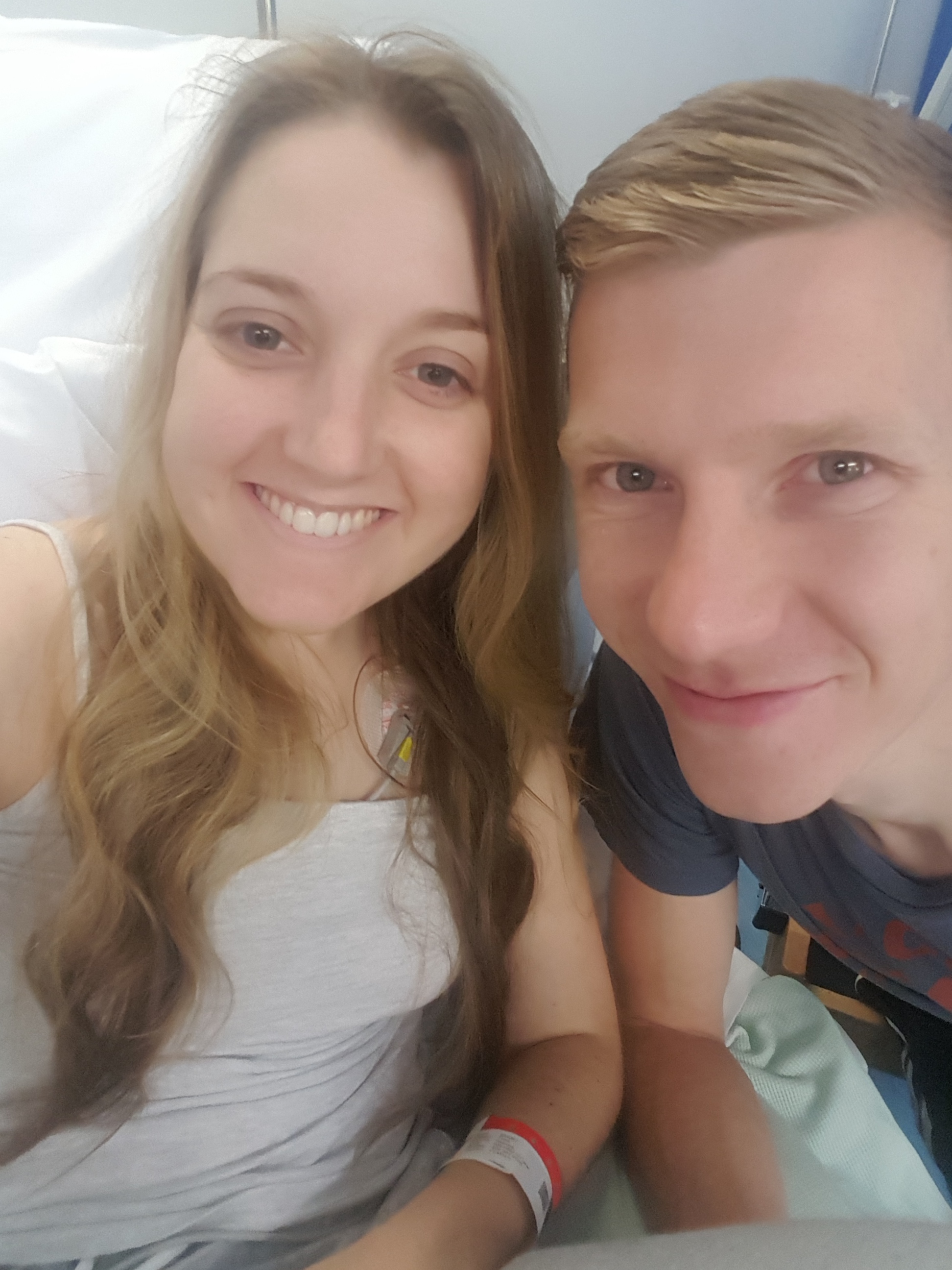
The K3 Core 3! Henry and Mum were with me from 11am to 8pm every day.

Hospital food and drink is truly awful and I really couldn’t eat a thing. At first I had no appetite at all but it gradually picked up. I just craved fresh fruit and veggies. My wonderful mum came every morning armed with freshly made pasta or grains, fruit, roasted vegetables and crackers. For some unknown reason I constantly craved Twiglets and orange juice so my in-laws kept me well-stocked on that front. I did have marmite on toast religiously for breakfast, brought to me by the same lady at 8.30 every morning. One morning she gave me some toast from the trolley and then went away. A few minutes later she returned and took the toast from my plate and swapped it. ‘Oh no, you already gave me some toast’ I said. ‘I’ll give you the hot stuff. I’ve only got the men left so they can have the cold toast’ she replied. Not that I would wish cold toast on men (there was enough hot toast for us all really) but the smallest acts of kindness make such a difference when you’re in hospital.

The nurses on ward K3 are truly amazing. Completely run off their feet, they never made me feel like I couldn’t ask for something. My main nurse, Daisy, was brilliant. Because I wasn’t sleeping I was prescribed sleeping pills but I’d never taken one before so was terrified. I made her promise she would check on me in the night to make sure I was still breathing. She duly did and even lifted under my eye mask to check I was OK! We had a laugh and a joke about everything, including the horrendous injection you have to have in your tummy at 6pm every day to prevent deep-vein thrombosis. Because it bruises really badly you can make it into a pattern so we joked it was like a free tattoo. I now sport a dotty wave across my abdomen – watch this trend for 2020! It makes such a difference to your recovery when the people who care for you are kind and happy. I honestly can’t thank them enough.

Although hospital is horrible, and I would never wish it on anyone, it never ceases to amaze me how strangers can come together to find laughter and friendship in the toughest of times. As well as teaching me about Lupus, my time in hospital has taught me that with positivity and community we can all empower each other to find a strength we never knew we had.

How Lupus is treated

As I’m quickly learning, nothing with Lupus is ever straightforward. I’m not yet completely familiar with all the different Lupus treatment options but I can explain my treatment plan and what the next few months look like for me.

Initial Treatment

The first thing the doctors wanted to do when I was admitted was control the inflammation in my body that was attacking my joints, muscles and organs. This is done using steroids, combined with strong pain relief such as morphine. Because my inflammation levels were so high, I needed a 500ml IV hit for three days. As anyone who has ever had to take steroids will know, they are HORRIBLE. I swelled up to the size of a whale; my arms, legs and tummy inflated like the michelin man. They make you very hot – perfect for summer days in hospital without aircon – and they make you very emotional. My body was so incredibly tired but I could not sleep a wink. I am not exaggerating when I say I only had 4 hours sleep over those first three nights, even with sleeping pills! I have the amazing nurses and my wonderful family to thank for pulling me through the steroid turmoil.

Gradually my steroid dose is reducing. Intially to 40ml orally which is still considered a very high dose to be on, and now down to 30ml a day. I will probably be on steroids for the next three to six months so have a few months of side effects ahead of me. The most common of which is the steroid hunger, giving you an insatiable appetite, potentially leading to weight gain. Another side effect? The ‘moon face’. All things you want in the lead up to your wedding…

Joking aside, it’s a worry for me as the wedding gets closer. I am terrified of losing my hair or developing the typical Lupus skin rashes across my face. I am scared I won’t fit in my dress and that my face will look puffy and pale. The doctors have promised me they will do their very best to avoid this, and October gives us all something to aim for. As my friends and family are slimming down and looking amazing, I have to concentrate on being well, being able to walk, and getting down that aisle! But really I’m a lucky bride in that months before the wedding I’ve had the stark reminder that the MOST important thing is that I get to marry my absolute hero and rock. It’s one day out of a whole lifetime together. The rest is just vanity. I have to accept that steroids are part of the life saving treatment for severe active Lupus.

High doses of steroids have horrible side effects

Treating the disease

While steroids are great at treating inflammation, they don’t actually treat the Lupus. Before treatment can start, the damage to organs has to be assessed and stabilised. As Lupus is linked to hormonal activity in your body, organs such as the uterus and ovaries should also be given the all clear before treatment starts. Because I had lumps in my breast tissue, I also had to visit the breast clinic before given the go ahead.

Before I could start treatment I had to have a third ultrasound on my boobs to double confirm the lumps were lymphnodes rather than something more nasty.

The most common treatments for Lupus seem to have been discovered by accident rather than developed specifically to treat the disease (but more about that later!). Here are some of the treatments I am on.

Anti Malarials

This is generally one of the first lines of treatment for someone who has been diagnosed with Lupus. It is used for skin and joint involvement, muscle inflammation, fever, fatigue, pleurisy, to reduce the development of kidney disease and chronic damage, and for its steroid-sparing properties. It is one of the few licensed drugs for Lupus and there is good evidence for its efficacy and safety. This drug is actually an anti-malarial drug but is great for treating Lupus. I was put on this a few days after my diagnosis and am having my dose gradually increased as my body gets used to it. It can cause damage to the retinas though so I have to make sure I have regular eye tests. Other side effects are that they really affect your stomach so I also have to take a gastro-protection drug called Lansoprazole. My stomach hasn’t been too bad so far but the hydroxychloroquine makes me very naseuous, sick and wobbly on my feet. They also taste vile!

Immunosuppressants

For severe cases of Lupus, immunosuppressant treatment is required. For me there were two options; the traditional immunosuppressant called Cyclophosphamide, which is given by IV infusion or a newer drug called Mycophenolate Mofetil (MMF) which is also used to prevent rejection in organ transplants. Cyclophosphamide can lead to fertility problems so this really wasn’t a route I wanted to go down. Instead, we decided to try MMF. The only problem with MMF is that it can lead to severe birth defects and miscarriage so I have to be super careful not to get pregnant while it’s in my system. Clearly not something on my mind right now, but Henry and I have always hoped to have a family together. Taking this drug will make those plans slightly more complicated in the future, but not impossible. I’ll do a proper post on Lupus and fertility down the line but for now, it’s not just getting to grips with Lupus that’s been hard, it’s also having to make key decisions about my fertility and future with steroid induced brain fog from my hospital bed!

As I start this drug I will be closely monitored in clinic a few times a week to make sure my liver isn’t affected and to see if my antibodies start to come down. All being well, gradually my dose will be increased and my steroids can start to be reduced. In reality it can take up to 12 weeks for it to properly enter your system and start treating the Lupus. That’s why I have to stay on steroids for so long.

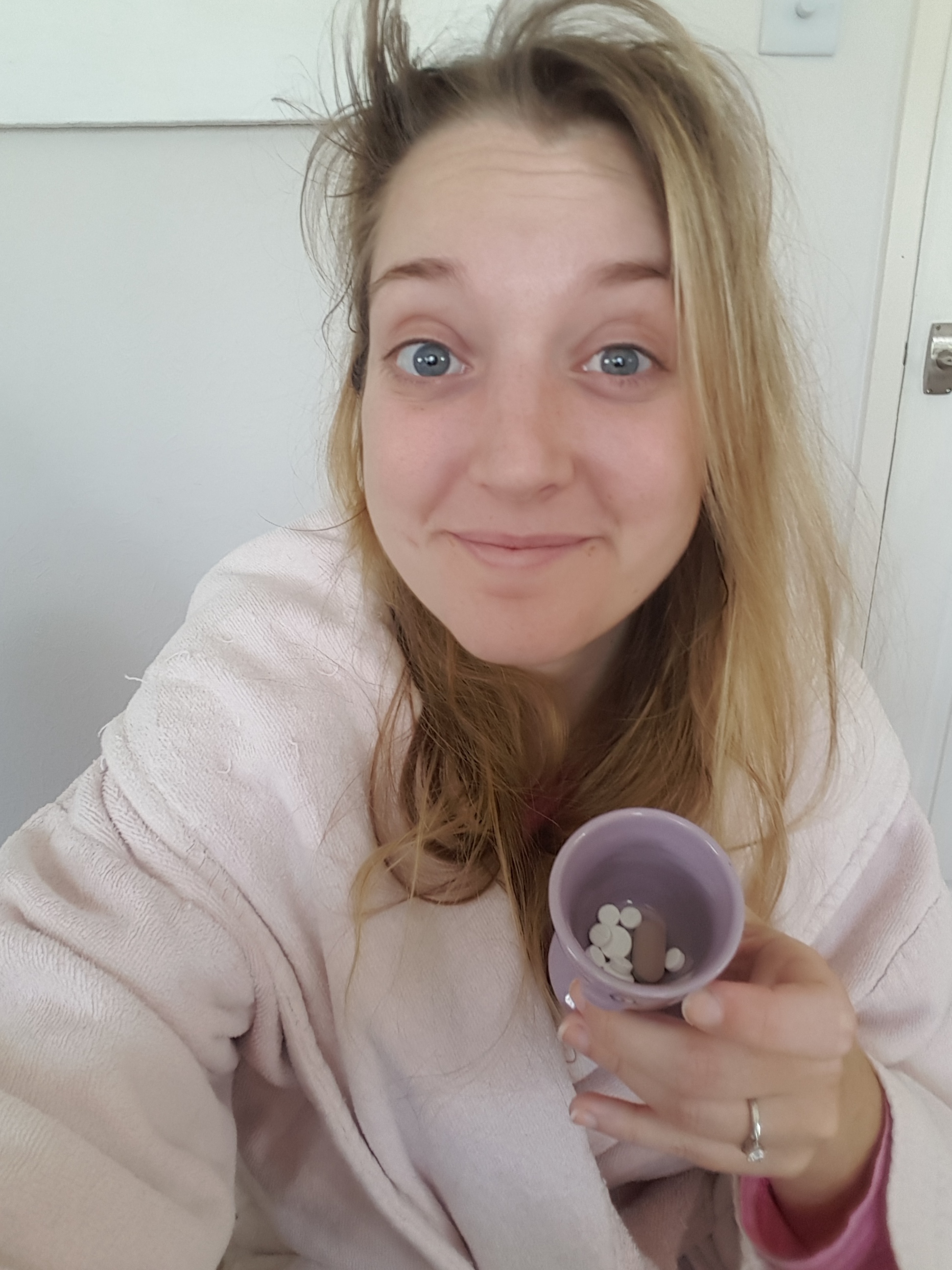
My morning routine – I currently take 15 tablets a day and counting…

Pain

Pain has been a part of my life for months now, but for the first time in a long time I can say it is under control. The steroids have had a transformative effect on my joint pain, and the swelling has really come down. I can actually fit my engagement ring on now! I still get the odd twinge, especially in my hips and knees. I also get a lot of chest pain because the joints in my ribs are inflammed. I’m not allowed to take ibuprofen but I find a couple of paracetamol in the morning and evening takes the edge off.

Life with Lupus is going to involve a lot of learning how to manage chronic pain so I know there’s a long road ahead. But for now, I’m enjoying being virtually pain free and am saying a big thank you to the doctors and medication for making that change happen. Maybe steroids are my new best friend after all?!

So what is Lupus?

Lupus, or Systemic lupus erythematosus (SLE), is an incurable auto-immune disease, probably genetic in origin and mainly suffered by women. It can attack any part of the body, including vital organs, and that’s the danger.

There are many signs and symptoms, and no two Lupus sufferers are the same, often making diagnosis a hard and lengthy process. Some GPs are unfamiliar with Lupus, and the range of symptoms can mean patients are passed from hospital department to department before their disease is picked up. In the meantime, a number of major organs can be damaged in an irreversible way.

The main ‘classic’ symptoms of Lupus are joint and muscle pain, and an extreme tiredness that won’t go away no matter how much you rest. Rashes, mouth ulcers, anaemia, hair loss, headaches and feverishness are also common symptoms as Lupus advances. Importantly, there is no ‘one-size-fits-all’ Lupus diagnosis, and there isn’t one simple test for the disease, so symptoms vary considerably from patient to patient.

My Lupus symptoms

According to the charity Lupus UK, it takes an average of 6.4 years for patients to receive a Lupus diagnosis. I am considered lucky that I was living with symptoms for about 18 months before being diagnosed. This has to change. I knew there was something going wrong in my body and it can be incredibly frustrating when you feel you’re not listened to by your GP or doctors. The truth is, in my diagnosis, there were a number of opportunities for my Lupus to be picked up before it spread to my organs. It is much, much easier to treat Lupus if picked up early to prevent irreversible damage to the body.

In February 2018, completely out of the blue and without suffering any symptoms for over ten years, I had an asthma attack. I was taken to hospital and, after treatment, was referred to the chest clinic at Guy’s hospital. I had regular appointments to keep my asthma under review but no one could answer the burning question – why did this happen?

Over the following months I took really good care of myself, making sure to eat healthily, exercise well and rest lots. But I kept finding myself getting more and more tired and suffering agonising headaches. I put it down to working hard and winter blues. Meanwhile I kept going to the asthma clinic and having regular blood tests which found that although my asthma was under control, my white blood cell count was always low. I was told I was probably getting over a virus, or maybe had low iron because I’m vegan.

By September 2018 the extreme tiredness was too much to handle and I knew something must be wrong. I also found a small lump in my armpit, and kept getting mouth ulcers, so I went to my GP. He couldn’t feel the lump, said I was probably (still) getting over a virus and asked if I thought I had health anxiety. I felt like an idiot.

In November 2018 I was seen in the asthma clinic again and discovered my white blood cell count was dropping further so I was referred to haematology. I had a month of weekly blood tests and told I have fluctuating white blood cells, to be careful of infection and sent on my way.

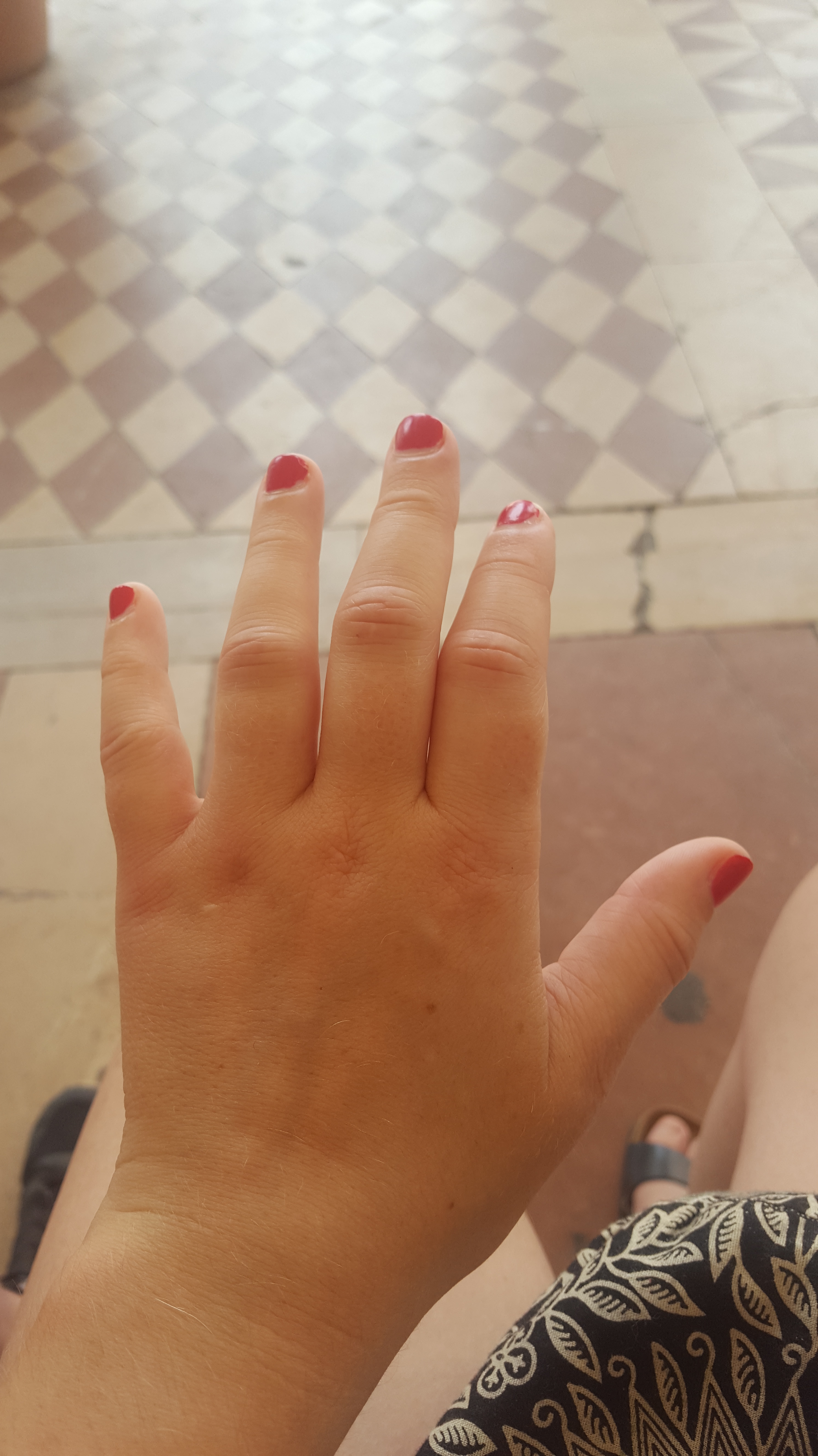
In January 2019, as Henry and I left for our trip, I started to get pain in my fingers. Usually first thing in the morning and last thing at night, the knuckles across my fingers would swell and go red. I put it down to the cold weather, especially in Nepal, but in the Indonesian heat they continued to worsen.

Red, swollen and painful joints are a common symptom of Lupus

By the end of March the pain had spread to my wrists and feet. I also found a lump in the breast tissue under my armpit, which is what prompted me to visit the hospital in Chile. It never crossed my mind that the joint pain was connected to the lump. Still extremely tired, I put it down to the travelling we were doing.

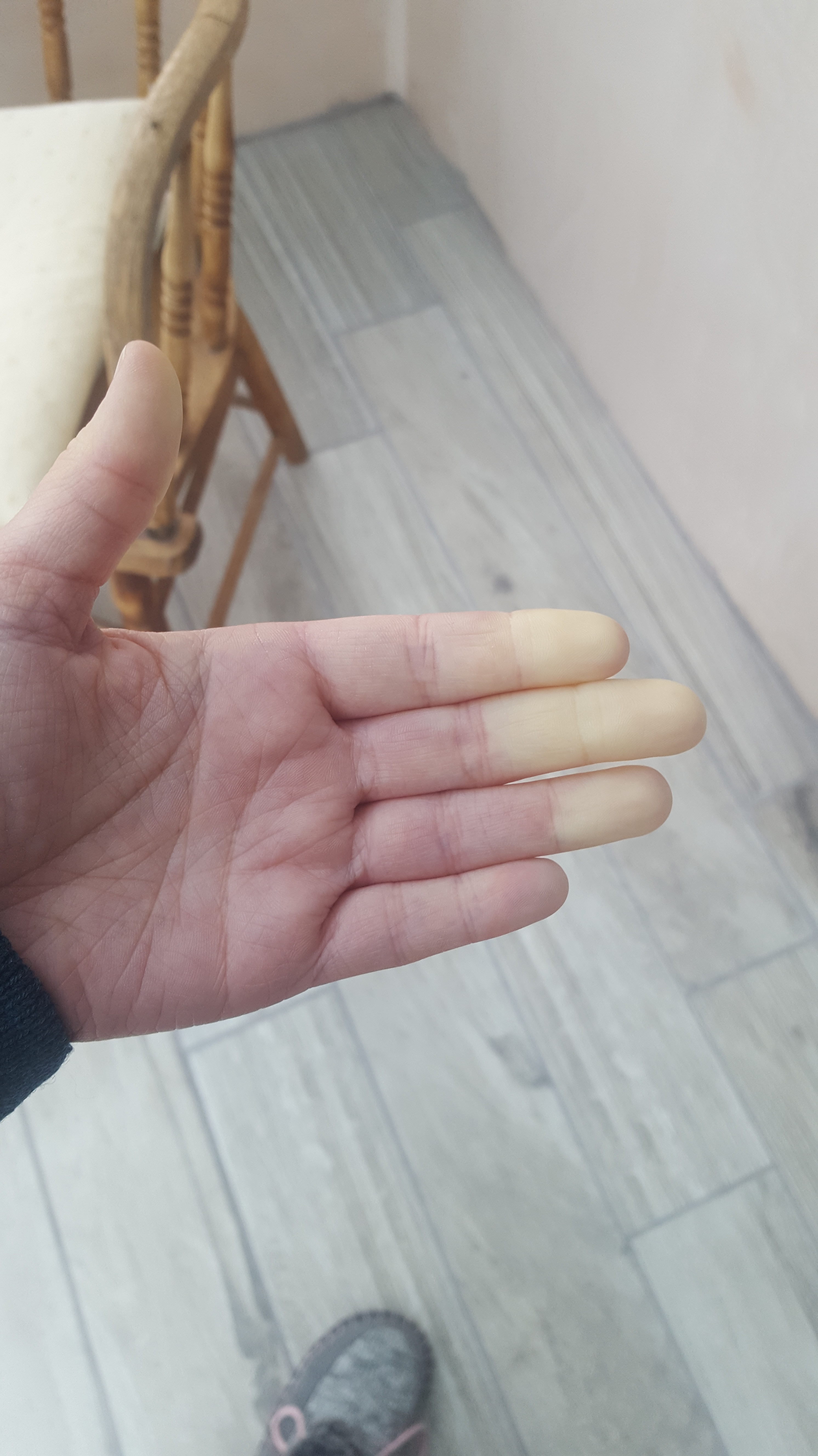
By the end of April, the joint pain had spread to every joint in my body, as well as my muscles. Walking and mobility was difficult. I also started getting Raynaud’s phenonmenon, where your fingers turn white, blue and then bright red. This would happen three times a day.

The results of my ultrasound scans showed I had extremely inflammed lymphnodes, another main symptom of Lupus, and I started fainting and being sick most days. Swollen, inflammed and eventually unable to move even a finger, I was rushed to hospital.

Raynaud’s phenomenon is a circulatory condition where your fingers turn a shocking white, blue then bright red

How is Lupus diagnosed?

There is no one test that can be used to diagnose Lupus and there are many manifestations of the multi-symptom disease. Instead, diagnosis is made by investigating

• Skin
• Blood
• Joints
• Heart
• Kidneys
• Lungs
• Swollen glands
• Nervous system
• Weight changes

There are, however, blood tests that can be done to detect the presence of an auto-immune disease, which can be strongly suggestive of Lupus. These are tests for immunologic disorder such as anti-DNA antibodies, anti-SM antibodies and antiphospholid antibodies. Testing for anti-nuclear antibody (ANA Test) is also important in diagnosing Lupus. Although it’s not conclusive, most people with Lupus are ANA positive. Low C3 & C4 complement levels and raised inflammation markers are also suggestive that Lupus is present. If you experience any of the above symptoms, it’s worth asking your GP to #thinkLupus and test for some of these in your blood. It may not lead to a Lupus diagnosis but it will help to speed up a referral to the right specialists.

For more information on Lupus symptoms and diagnosis check out:

Lupus UK – www.lupusuk.org.uk

NHS website – https://www.nhs.uk/conditions/lupus/

My Lupus and Me…

Welcome to my new blog Livin’ La Vida Lupus! I’m Thea, 27 years old and was on the six-month trip of a lifetime with my fiancé Henry when life changed. It took two months of extensive tests, being rushed into hospital, and my organs to start failing to eventually be diagnosed with Lupus. I don’t know much about Lupus yet but join me as I get to grips with this Wolf disease and learn how it’s going to change my life. Let’s also raise awareness of the early signs and symptoms so it’s spotted earlier!

So what happened?

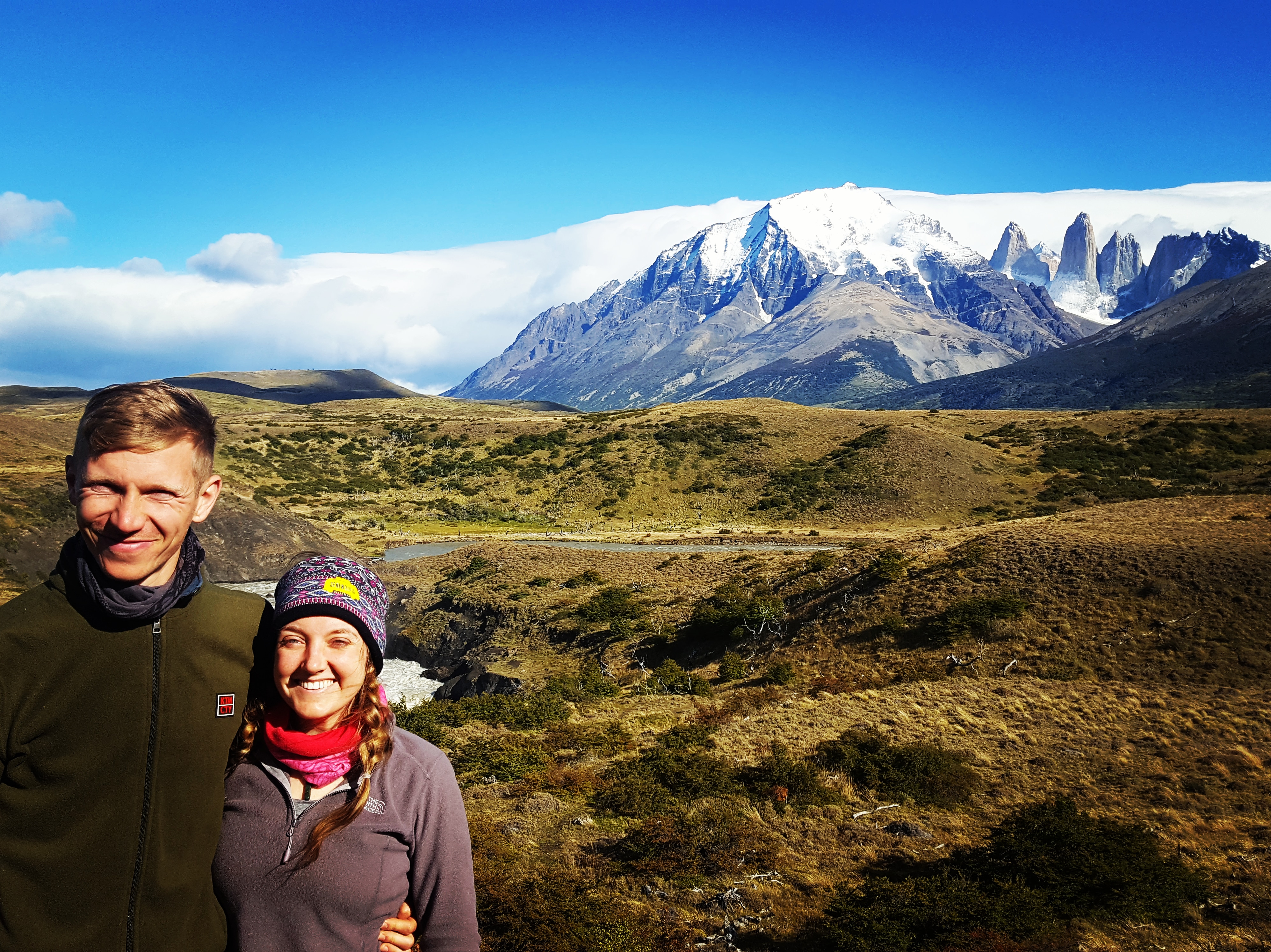
Henry and I were on the trip of a lifetime – a six-month pre-wedding honeymoon that had taken years of saving for. We started in Nepal and travelled through Indonesia and New Zealand before heading to South America. It was in Patagonia that I found a lump in the breast tissue under my armpit, with Santiago de Chile being the nearest place for a hospital. I contacted my insurance company to book an appointment at the breast clinic and when we arrived in the city we visited the hospital.

I was seen by a breast consultant who said that the lump felt like a small ‘breast mouse’, very common for women in their twenties and often go away by themselves. The odd thing was that I had one in the exact same place on the other side so she wanted to do an ultrasound scan. As Henry and I were due to fly to Bolivia the following day, the doctor would WhatsApp me the results of the scan in a couple of weeks time. She envisioned everything to be fine and that we should continue our travels of South America without any problems.

I had the scan that afternoon, and it was then that everything changed. The radiographer could see that the lump in my breast was a lymphnode rather than a breast mouse, and it wasn’t the only one. I had severely inflamed lymphnodes under both armpits and in my neck and groin. She told me it was serious and rushed me back to the international patients clinic to wait for a doctor. The doctor came down to the clinic and told me my scan didn’t look good. She said to cancel the flight to Bolivia and return to the hospital tomorrow.

The next day Henry and I, along with our amazing GP friend, returned to the hospital to discuss the scan results. The breast consultant had referred my case to a haematological oncologist who agreed that the scan showed a number of masses with increased blood supply to the area. We were told I have lymphoma.

All I could do was stare out of the window looking at the Santiago skyline as our world came crashing down. Henry made all the arrangements with the insurance company to travel home and within a couple of days we were back in the UK.

The road to true diagnosis never did run smooth…

Although Henry and I live in Hampshire, we decided to come back to rural Cambridge where both sets of parents live. I registered with the local GP and was seen by 9am on Monday morning. By lunch time I had already had a full set of blood tests and a chest x-ray. The GP made a fast-track cancer referral to Addenbrooke’s hospital, and although speedy, it still takes two weeks to be seen. I saw an oncologist, had further blood tests and was booked in for another scan and a biopsy. This took another three weeks. When I saw the oncologist again, another week later, I was given the very happy news that my lymphnodes were reactive, rather than cancer. This means they were reacting to something happening in my body, i.e. fighting something. The question, what?

In the meantime my joint pain had escalated to the point where some days I simply couldn’t walk, so the oncologist referred me to a rheumatologist. This would take another four weeks, and as events turned out I would never make it to that appointment.

Lupus

As well as the agonizing joint pain, I had started to feel increasingly unwell to the point where doing any normal activity was a struggle. Even getting across the room to the toilet would involve fainting and being sick.

One night the pain was so bad I could not sleep nor move at all. I had to be propped up surrounded with cushions and all my joints felt as though they were on fire. By the morning, I couldn’t even move a finger. My mum and Henry called the GP out, who immediately called an ambulance.

The paramedics were amazing and administered high doses of morphine to stretcher me to the ambulance. When we got to A&E we were seen pretty quickly by a kidney doctor who said there were concerns with my heart and kidney function. At 3am I was admitted to a ward and by 8am the next day I was surrounded by a team of doctors being told I had advanced active Lupus that had spread to my kidneys and heart.

Livin’ La Vida Lupus

So this is where the journey starts. After over a week in hospital to stabilise, having had my heart and kidneys under constant monitoring, I am back at my mum’s. I still feel awful but much, much better than I have for a while. It’s going to take a couple of months to start feeling better and it’s going to take time to learn about this condition and how to live life with it. Join me as I navigate the highs and lows of crazy Lupus life, and let’s see if we can raise awareness and understanding along the way.

Design a site like this with WordPress.com
Get started